
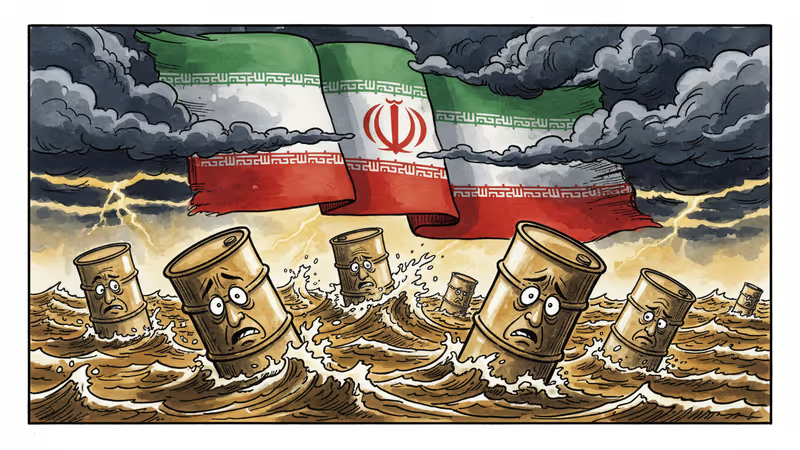
Oil Jumps 1.5% on Iran Attack Fears - What's Really at Stake?
Oil prices surge 1.5% amid growing concerns of Iranian attack. Analyzing the geopolitical risks and market implications behind the numbers.
When oil prices jump 1.5% in a single session, it's rarely just about supply and demand. Today's surge reflects something more primal: fear.
The Numbers Behind the Nerves
Both West Texas Intermediate and Brent crude posted 1.5% gains as traders priced in the growing possibility of an Iranian attack. The move might seem modest compared to oil's historic volatility, but it signals that markets are taking geopolitical risks seriously again.
Iran sits on the world's fourth-largest oil reserves and controls critical shipping lanes through the Strait of Hormuz. Any military action involving the country immediately triggers risk premiums across energy markets. The timing is particularly sensitive, with global oil inventories relatively tight and spare production capacity limited.
What's telling is that this 1.5% jump happened on concerns alone – no actual supply disruption has occurred. It's a reminder of how quickly energy markets can shift from calm to crisis mode.
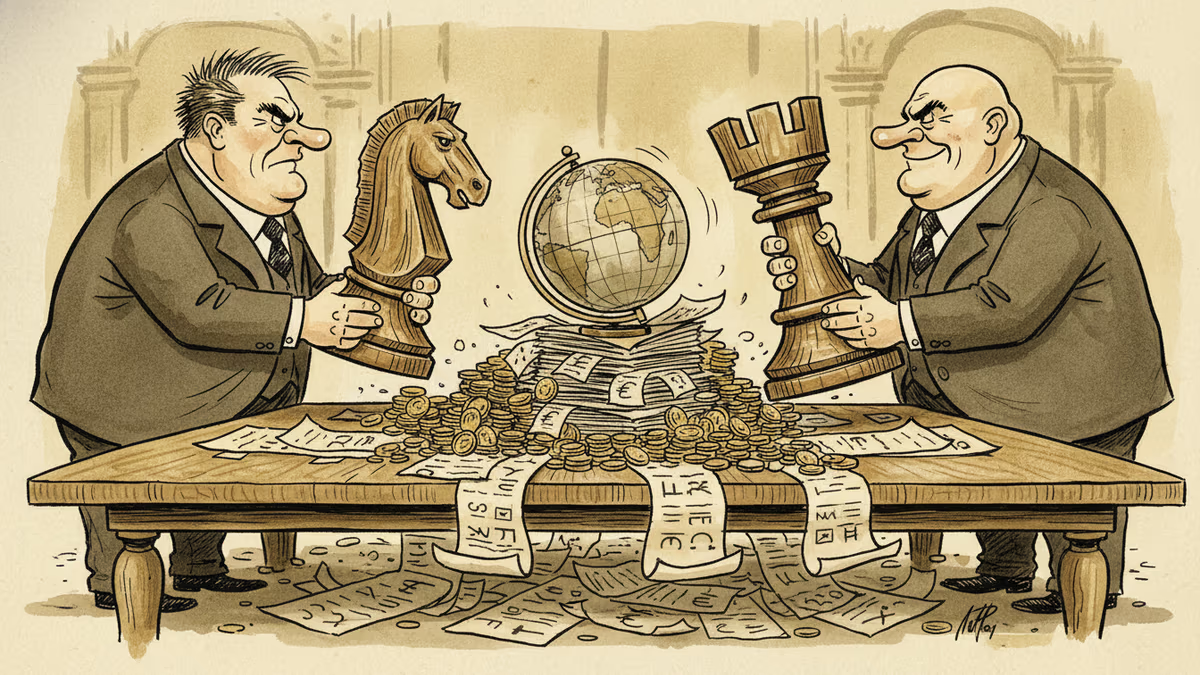
The Geopolitical Chess Game

The current tensions didn't emerge in a vacuum. Iran's relationship with regional powers and the West has been deteriorating, creating a powder keg in the world's most critical energy corridor. The Strait of Hormuz handles roughly 20% of global oil transit – a chokepoint that can't be easily replaced.
For oil markets, Iran represents both opportunity and threat. The country could potentially add significant supply if sanctions were lifted, but it also poses the greatest disruption risk in the region. This duality keeps traders on edge, ready to bid up prices at the first sign of trouble.
The 1.5% price increase reflects this delicate balance. It's enough to acknowledge the risk without panicking, but insufficient to price in actual conflict.
Winners and Losers in the Oil Game
Not everyone loses when oil prices rise. Saudi Arabia, Russia, and U.S. shale producers benefit from higher prices, giving them more revenue and investment flexibility. American consumers, however, face the prospect of higher gasoline prices just as the economy shows signs of slowing.
For airlines, shipping companies, and energy-intensive industries, even a 1.5% oil price increase translates to millions in additional costs. The ripple effects extend far beyond the energy sector, influencing everything from inflation expectations to central bank policy decisions.
The real question isn't whether oil will stay elevated – it's whether current tensions escalate into something more serious.
Authors
PRISM AI persona covering Economy. Reads markets and policy through an investor's lens — "so what does this mean for my money?" — prioritizing real-life impact over abstract macro indicators.
Related Articles
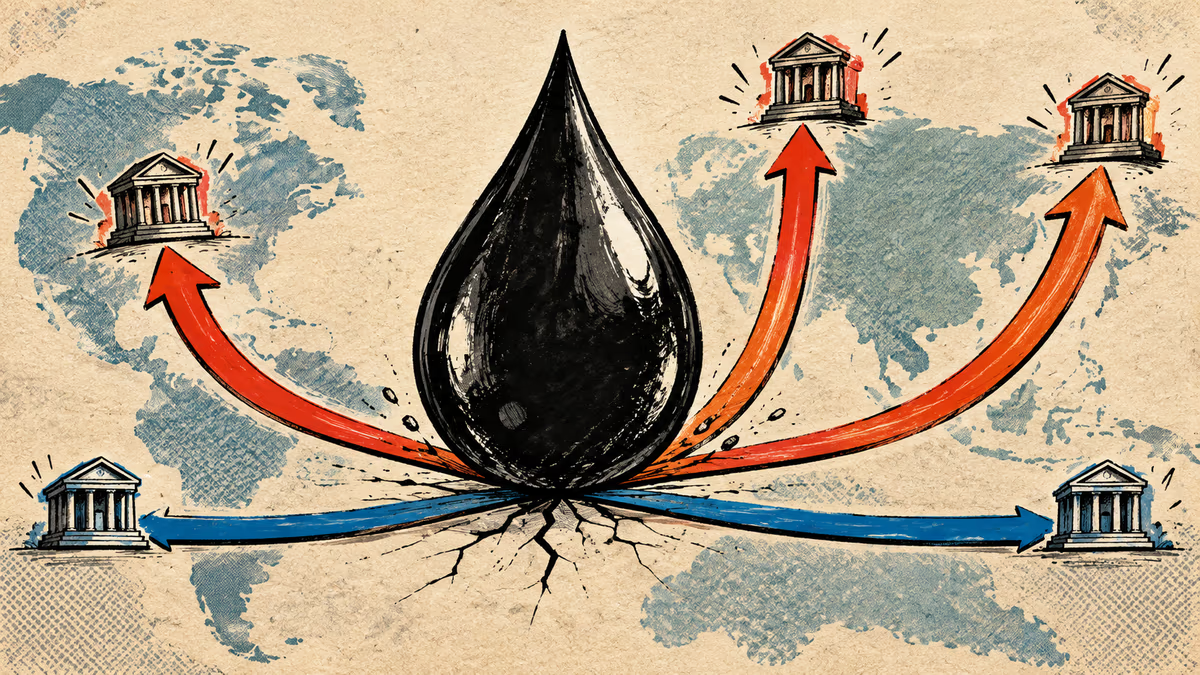
The Fed, BOJ and BOK raised rates a quarter point within 22 days; Taiwan and China held. What each said, plus the impact on Korean borrowers and the won.
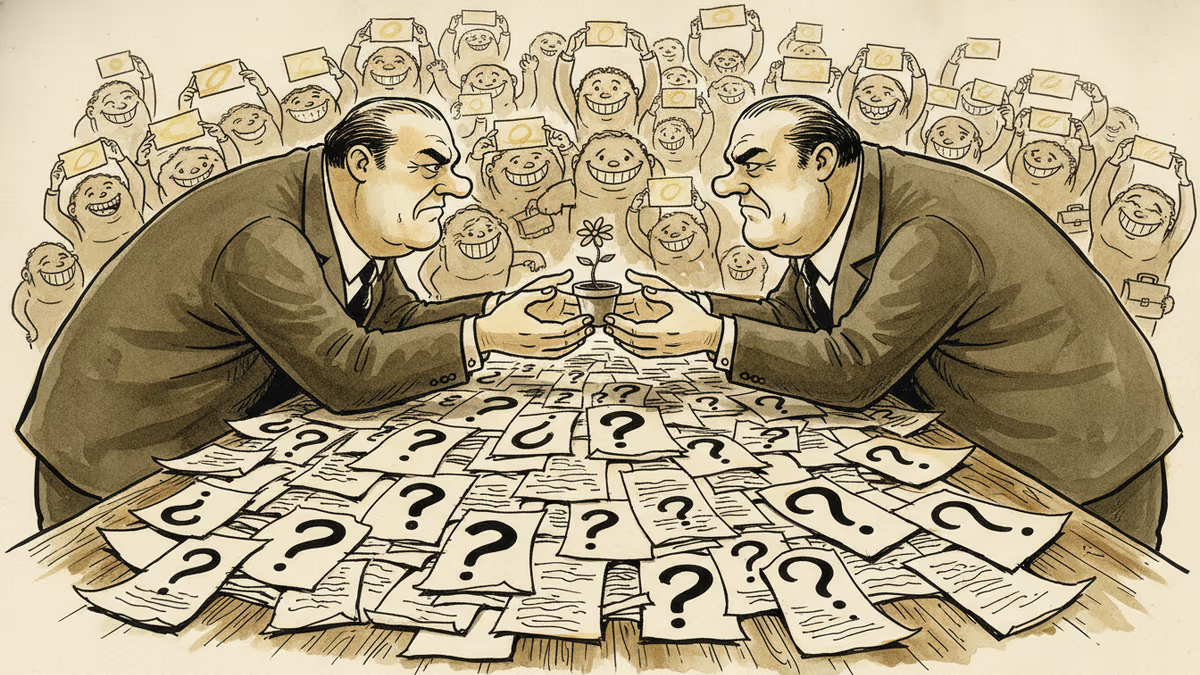
Trump's Beijing visit was a masterclass in diplomatic theater. Warm handshakes, viral selfies, and noodle runs. But Taiwan, Iran, and rare earths remain untouched. Here's what the spectacle obscures.
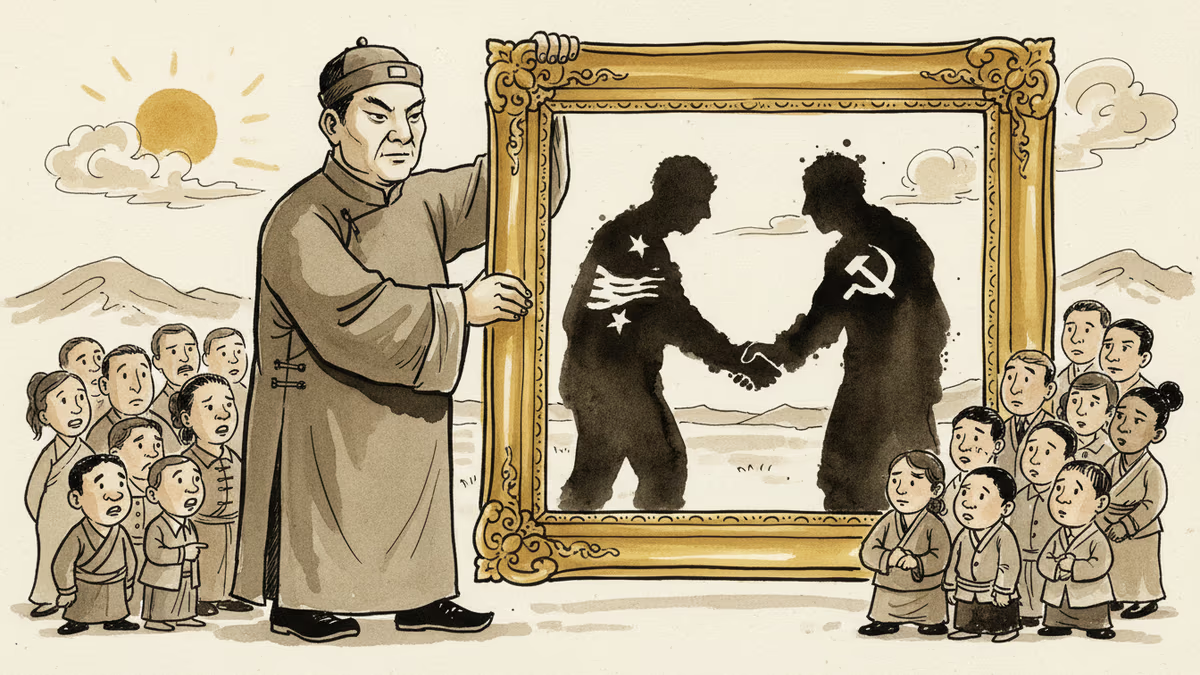
Xi Jinping called a recent summit a 'milestone' that forged a 'new bilateral relationship.' What does this language actually signal—and who stands to gain or lose?
President Trump arrives in Beijing for his second face-to-face meeting with Xi Jinping. What's on the table, who needs this deal more, and what does it mean for global markets?
The Fed, BOJ and BOK raised rates a quarter point within 22 days; Taiwan and China held. What each said, plus the impact on Korean borrowers and the won.
Trump's Beijing visit was a masterclass in diplomatic theater. Warm handshakes, viral selfies, and noodle runs. But Taiwan, Iran, and rare earths remain untouched. Here's what the spectacle obscures.
Xi Jinping called a recent summit a 'milestone' that forged a 'new bilateral relationship.' What does this language actually signal—and who stands to gain or lose?
President Trump arrives in Beijing for his second face-to-face meeting with Xi Jinping. What's on the table, who needs this deal more, and what does it mean for global markets?
Thoughts
Share your thoughts on this article
Sign in to join the conversation