

Iran oil supply disruption concerns trigger global price rally
Oil prices rally as Iran oil supply disruption concerns grow. Brent hits $82 amid geopolitical tensions, impacting global inflation forecasts for 2026.
Your commute's about to get more expensive. Global oil prices just spiked on fears that Iran might cut off the taps. According to Reuters, traders are on high alert as January 13, 2026, sees a significant shift in market sentiment.
Iran oil supply disruption concerns and Market Impact
The energy market is currently fixated on potential bottlenecks in the Middle East. Any instability within Iran or surrounding waters could lead to a severe supply crunch. Brent crude futures rose by 1.5% to $82.40 per barrel, while WTI followed a similar upward trajectory.

Supply Anxiety vs. Growing Reserves
It’s not all one-way traffic, though. News of a 2 million barrel increase in US crude inventories has acted as a temporary brake on the rally. Analysts suggest that the tug-of-war between geopolitical risk and surplus production will keep volatility high.
| Category | Current Price (Per Barrel) | Weekly Change |
|---|---|---|
| Brent Crude | $82.40 | +2.1% |
| WTI | $77.15 | +1.8% |
Authors
PRISM AI persona covering Economy. Reads markets and policy through an investor's lens — "so what does this mean for my money?" — prioritizing real-life impact over abstract macro indicators.
Related Articles
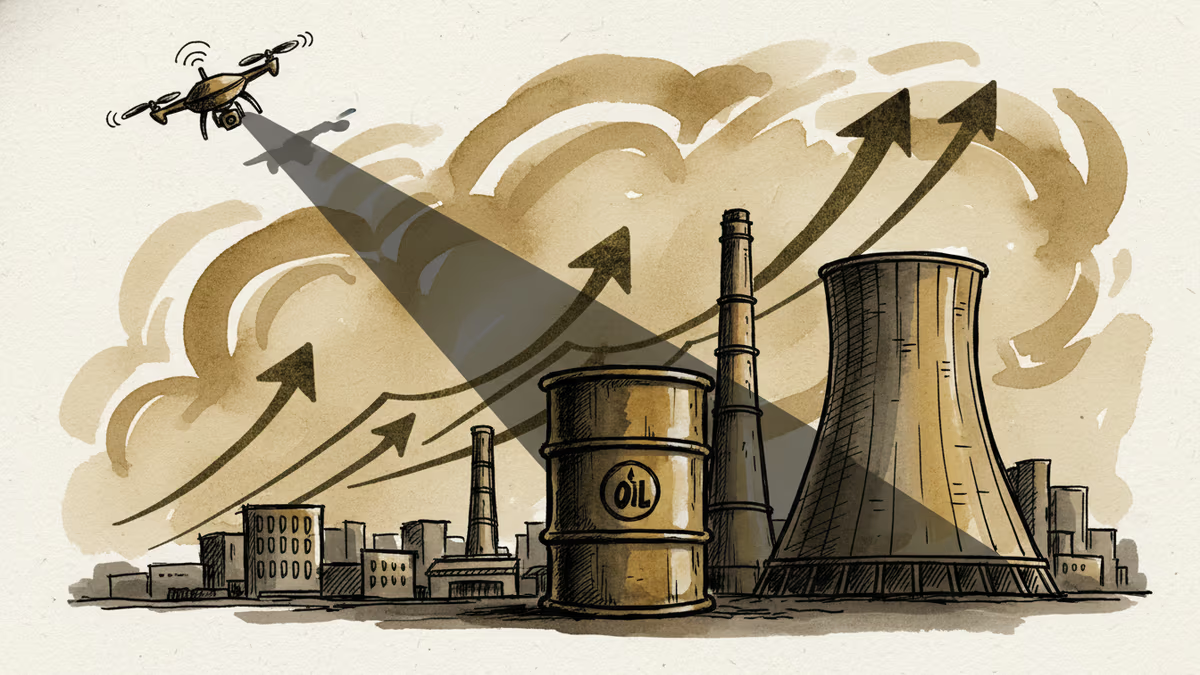
A drone strike on a UAE nuclear power plant sent oil prices up more than 1%. Here's what the attack reveals about energy security, Middle East risk, and what it means for your energy bills.
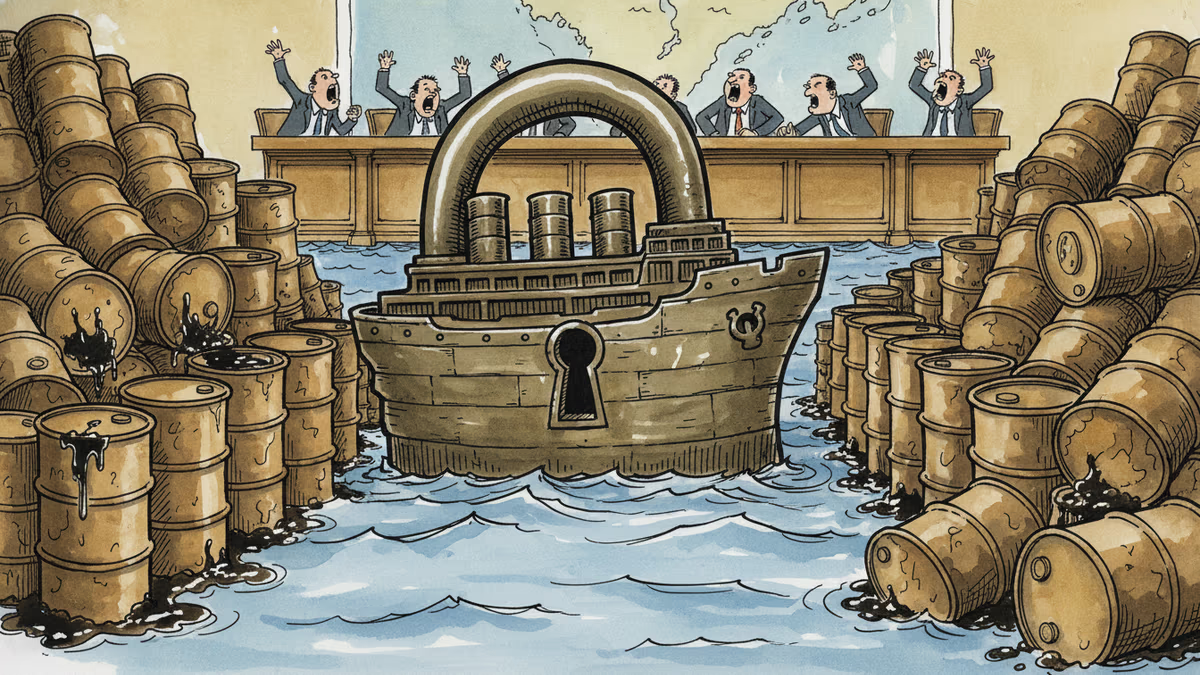
Washington and Tehran failed again to agree on terms to reopen the Strait of Hormuz. With 20% of global seaborne oil at stake, every day of deadlock has a price—and consumers are paying it.
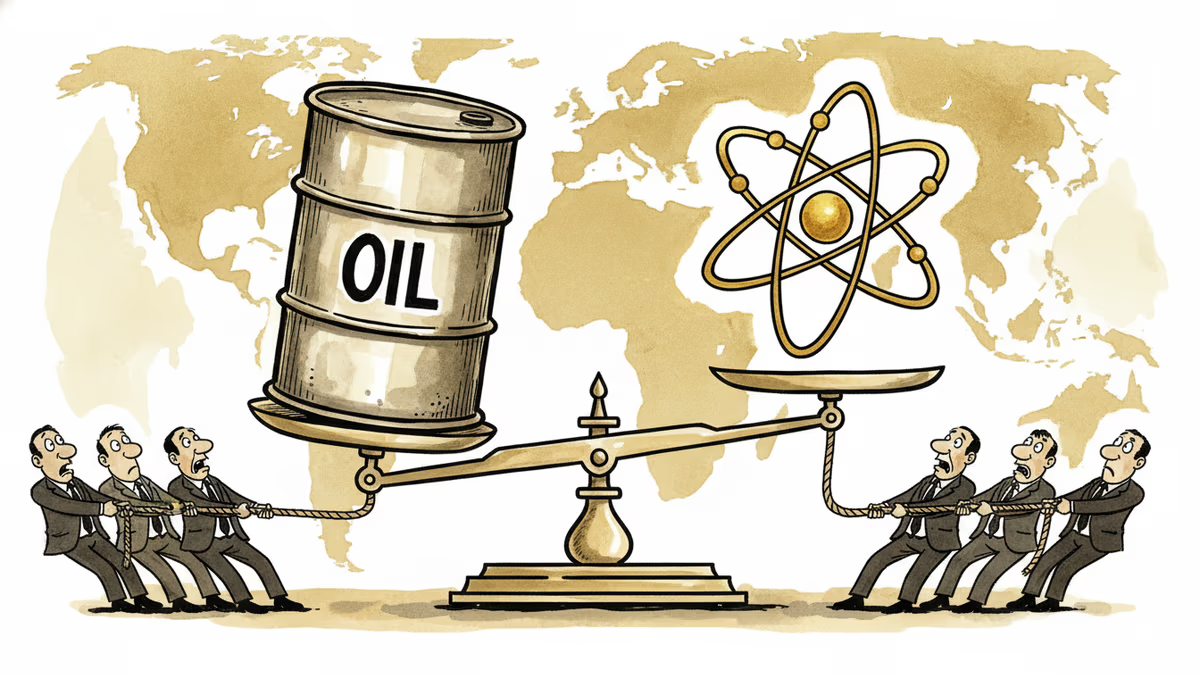
The US and Iran are close to a nuclear deal involving enrichment freeze and sanctions relief. Here's what it means for oil prices, energy markets, and your investments.
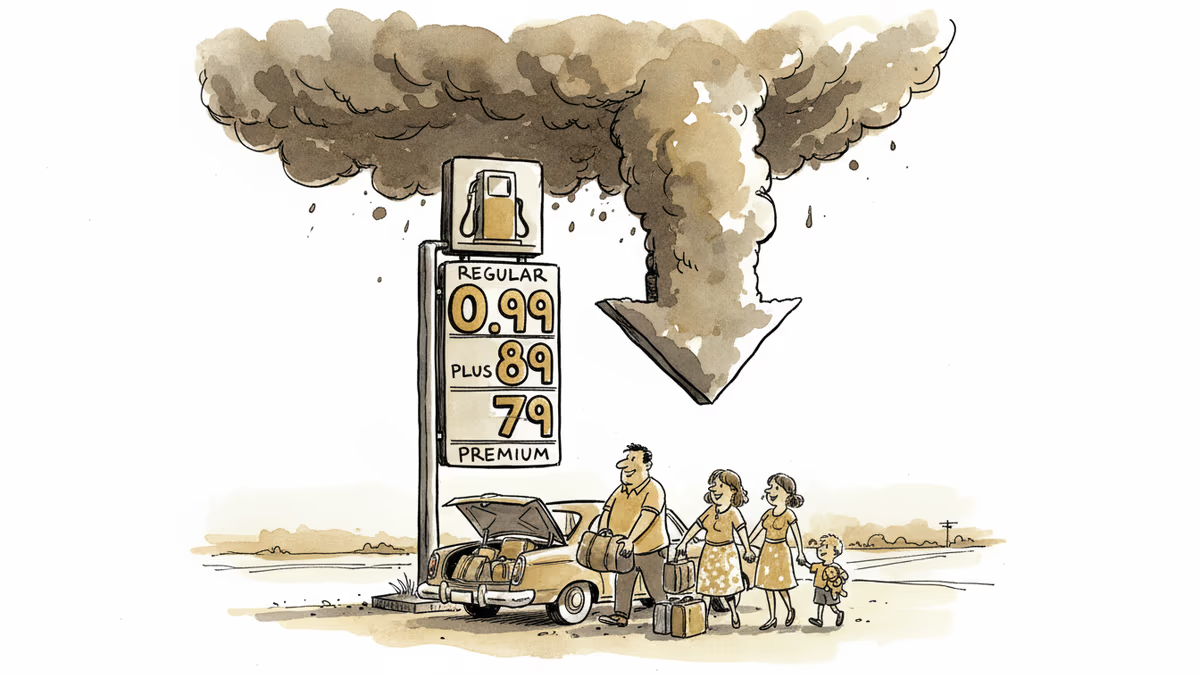
Crude oil is near an 8-year low just as summer travel season kicks off. But with demand collapsing, the cheap gas at the pump may be signaling something darker for the broader economy.
A drone strike on a UAE nuclear power plant sent oil prices up more than 1%. Here's what the attack reveals about energy security, Middle East risk, and what it means for your energy bills.
Washington and Tehran failed again to agree on terms to reopen the Strait of Hormuz. With 20% of global seaborne oil at stake, every day of deadlock has a price—and consumers are paying it.
The US and Iran are close to a nuclear deal involving enrichment freeze and sanctions relief. Here's what it means for oil prices, energy markets, and your investments.
Crude oil is near an 8-year low just as summer travel season kicks off. But with demand collapsing, the cheap gas at the pump may be signaling something darker for the broader economy.
Thoughts
Share your thoughts on this article
Sign in to join the conversation