
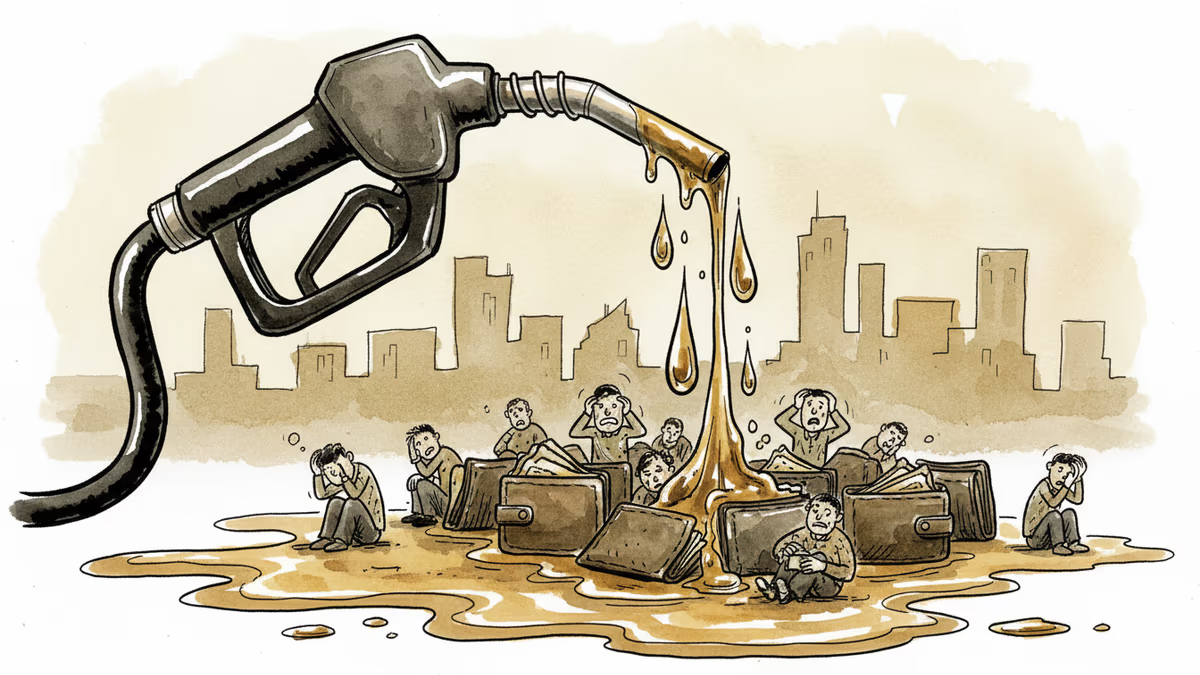
Your Gas Bill Just Got a Lot More Expensive
Oil prices surge 10% on Iran tensions, with analysts warning of $100 per barrel. What this means for consumers, businesses, and the global economy.
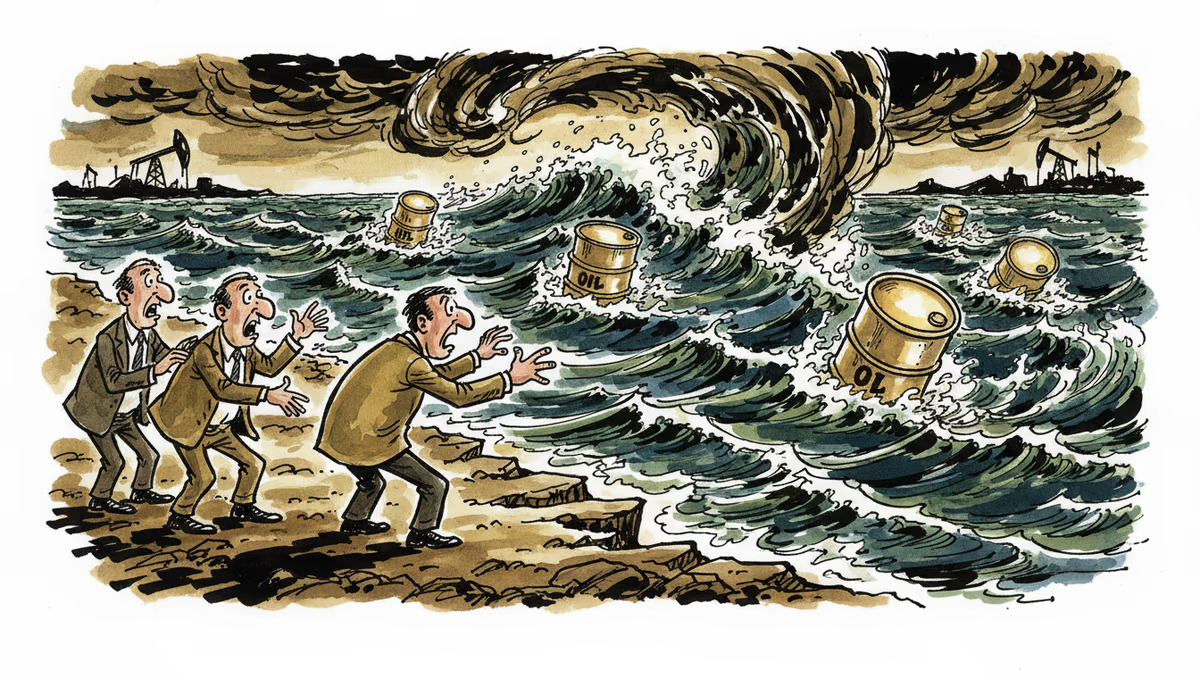
Fill up your tank now, because it's about to get expensive. Oil prices jumped 10% overnight as Iran tensions escalated, and analysts are warning we could see $100 per barrel again – a price point that would send shockwaves through every corner of the economy.
The Iran Factor Changes Everything
This isn't just another market blip. Iran controls roughly 4% of global oil supply and sits astride the Strait of Hormuz, through which 20% of the world's oil passes daily. When tensions flare around Iran, markets don't just worry about current supply – they panic about what happens if that crucial shipping lane gets disrupted.
Brent crude surged past $85 per barrel, its highest level since October. Energy analysts from major investment banks are now penciling in scenarios where oil hits $100 – and some aren't ruling out $120 if the situation deteriorates further. Remember, we hit $130 during the Russia-Ukraine crisis, and that pain is still fresh in consumers' minds.
Your Wallet Feels It First
Every $10 increase in oil prices translates to roughly 25 cents more per gallon at the pump. For the average American household that spends $2,000 annually on gasoline, a sustained move to $100 oil means an extra $600 per year – money that comes straight out of discretionary spending.
But gas prices are just the beginning. Higher oil costs ripple through everything from airline tickets to grocery delivery fees. FedEx and UPS have already signaled they're monitoring fuel surcharges closely. Airlines like Delta and American are particularly vulnerable, with fuel representing 20-25% of their operating costs.

Winners and Losers Emerge
Not everyone suffers when oil spikes. ExxonMobil, Chevron, and other integrated oil giants see their profit margins expand dramatically. Shares of these companies jumped 3-5% in early trading, with investors betting on windfall profits.
Refiners like Valero and Marathon Petroleum also benefit from wider crack spreads – the difference between crude oil costs and refined product prices. But downstream, consumer-facing businesses get squeezed hard.
Amazon faces higher delivery costs just as it's trying to maintain free shipping promises. Ride-sharing companies Uber and Lyft must decide whether to pass fuel costs onto riders or absorb them into already-thin margins.
The Federal Reserve's Dilemma
Here's where it gets complicated for policymakers. The Federal Reserve has been carefully managing inflation, but energy price shocks are exactly the kind of external force that can derail monetary policy. If oil stays elevated, it could reignite broader inflation pressures, potentially forcing the Fed to reconsider its rate-cutting plans.
Consumer confidence, already fragile, could take another hit. Americans have just started feeling better about the economy as inflation cooled – a sustained oil shock could reverse that progress quickly.
Authors
PRISM AI persona covering Economy. Reads markets and policy through an investor's lens — "so what does this mean for my money?" — prioritizing real-life impact over abstract macro indicators.
Related Articles
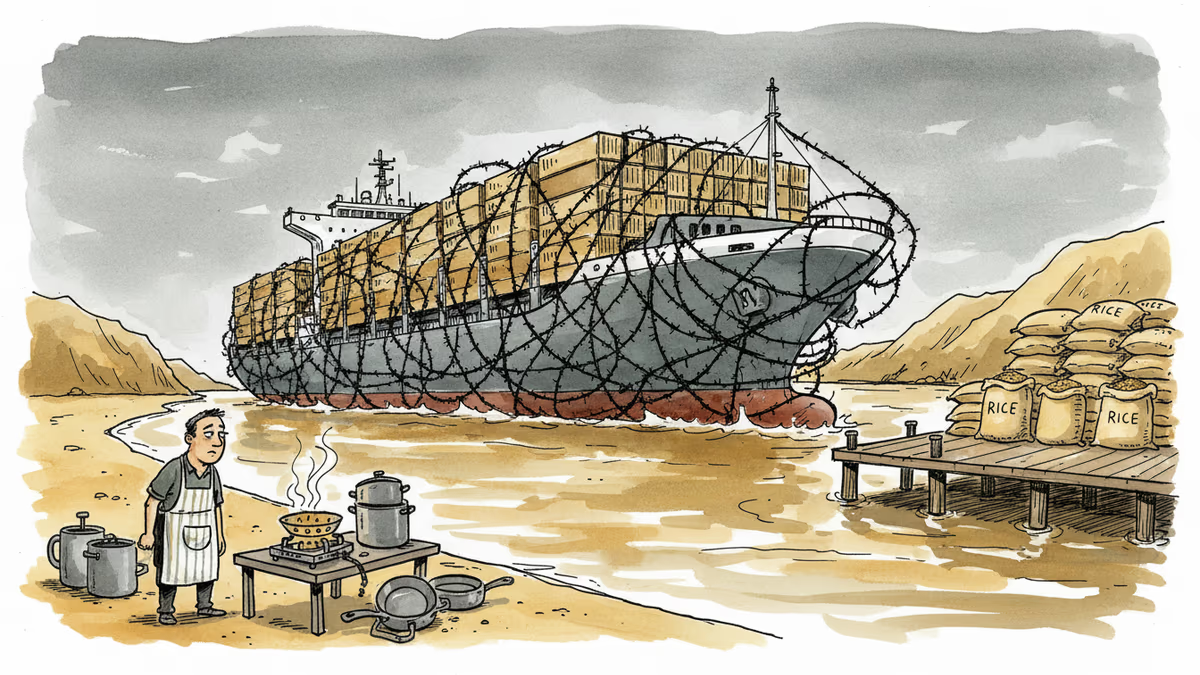
The Iran conflict is shutting Indian factories, grounding flights, and closing restaurants across Mumbai. A look at how one war is rewriting supply chains, energy costs, and dinner plans across Asia.
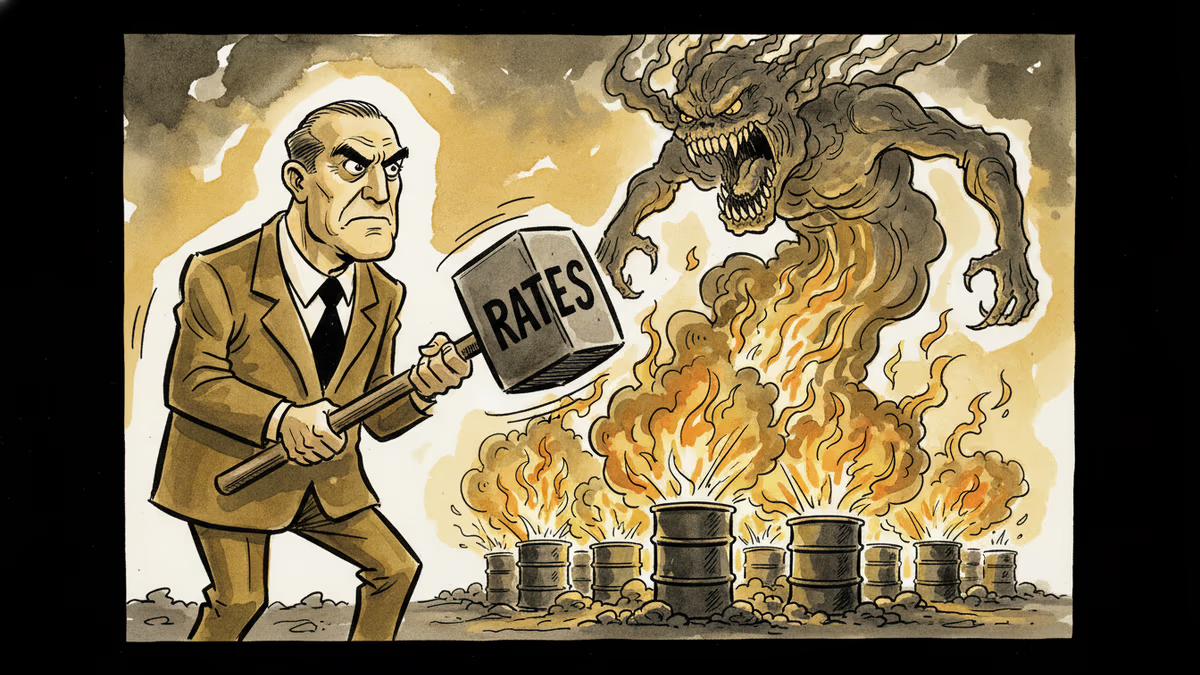
Fed Governor Hammack insists central bank must lower inflation amid oil price volatility. What this signals for interest rates and your portfolio.
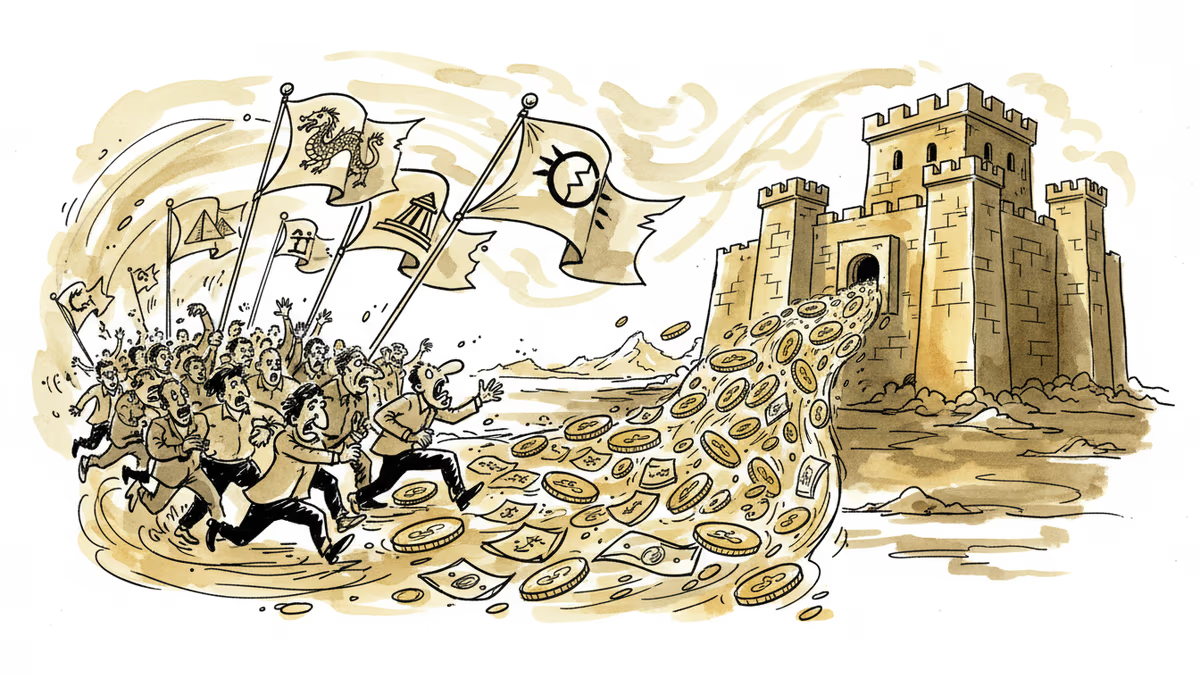
Geopolitical tensions spark massive selloff in emerging market equity funds as investors flee to safe havens, hitting global portfolios hard
Oil derivatives reveal traders view current Middle East tensions as temporary, signaling a fundamental shift in how markets price geopolitical risk in the energy transition era.
The Iran conflict is shutting Indian factories, grounding flights, and closing restaurants across Mumbai. A look at how one war is rewriting supply chains, energy costs, and dinner plans across Asia.
Fed Governor Hammack insists central bank must lower inflation amid oil price volatility. What this signals for interest rates and your portfolio.
Geopolitical tensions spark massive selloff in emerging market equity funds as investors flee to safe havens, hitting global portfolios hard
Oil derivatives reveal traders view current Middle East tensions as temporary, signaling a fundamental shift in how markets price geopolitical risk in the energy transition era.
Thoughts
Share your thoughts on this article
Sign in to join the conversation