
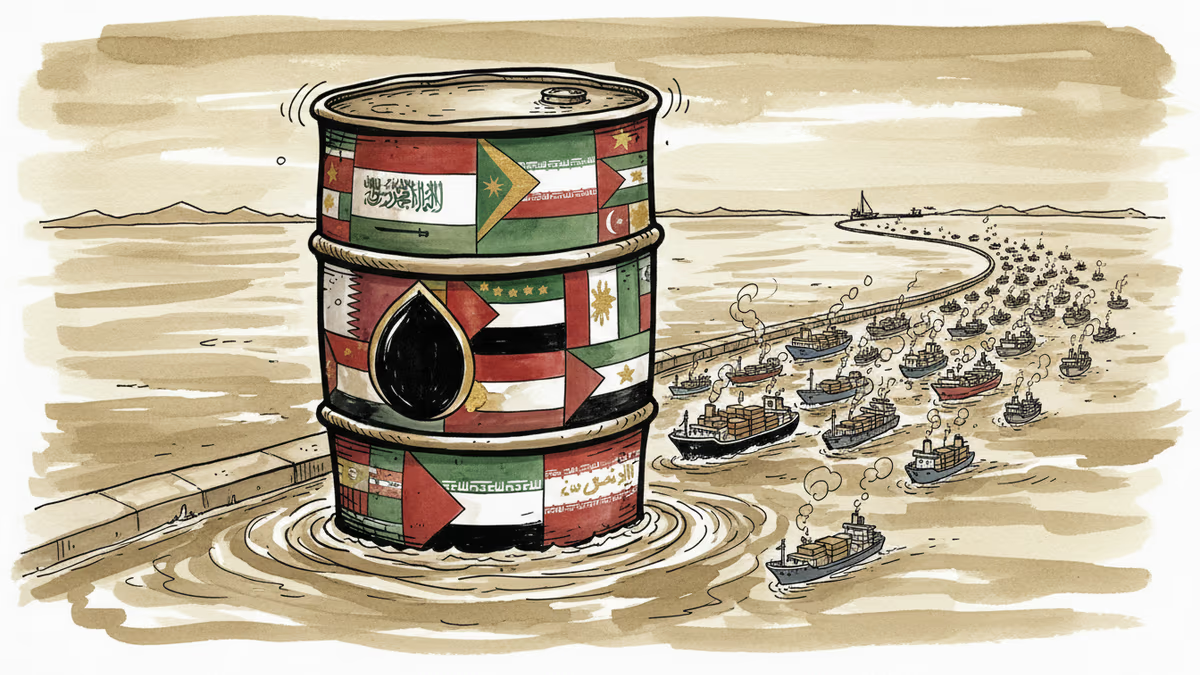
Your Gas Bill Just Got Hijacked by Middle East Chaos
Iran conflict escalates, oil prices surge $5/barrel, shipping routes disrupted. How geopolitical tensions directly impact your wallet and global supply chains
Sarah filled up her SUV in Houston yesterday and winced at the pump display: $4.20 per gallon, up from $3.65 just a week ago. She's not alone. Millions of drivers across America are paying the price for a conflict brewing 7,000 miles away in the Persian Gulf.
The World's Most Expensive Chokepoint
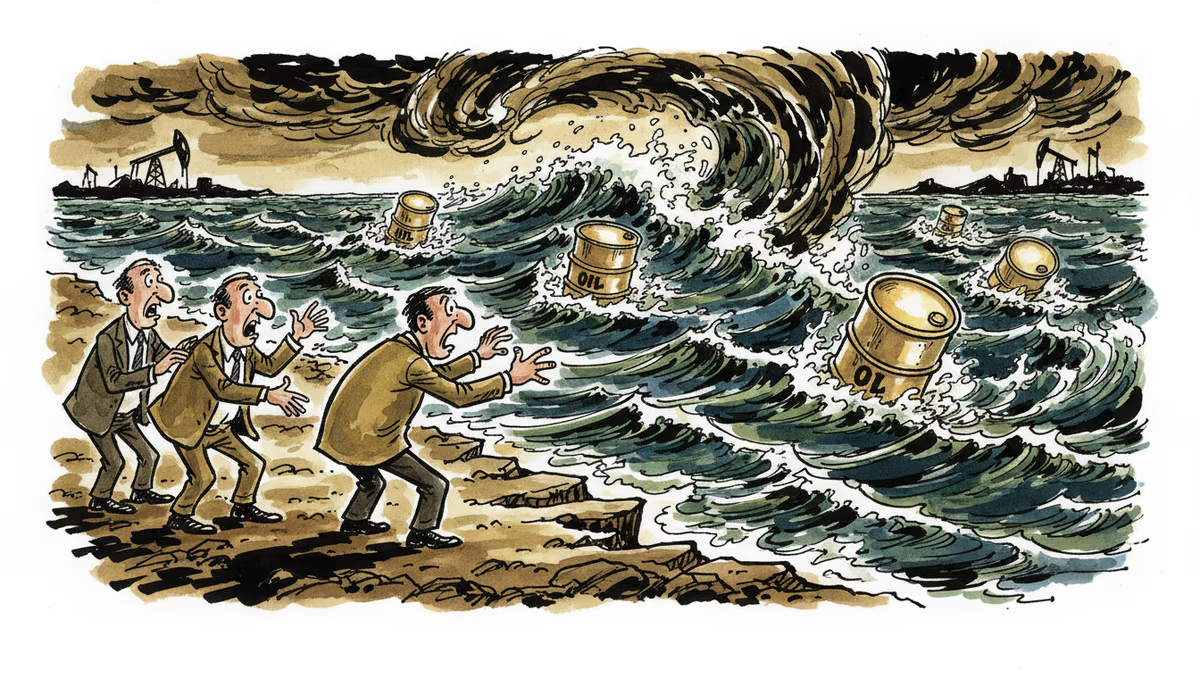
Oil prices jumped $5 per barrel overnight as Iran-Israel tensions reached a boiling point. The culprit? The Strait of Hormuz, a 21-mile-wide waterway that carries 20% of global oil shipments. When Iran hinted at "closing the strait," markets panicked.
It's not just about oil. $1.2 trillion worth of goods pass through this narrow channel annually. ExxonMobil and Chevron shares spiked 8%, while shipping giants like Maersk rerouted vessels around Africa – adding two weeks and 30% more costs to each journey.
Winners and Losers: The Crude Reality
Oil companies are celebrating. Their existing inventory just became worth billions more overnight. ConocoPhillips CEO called it "an unfortunate but profitable situation." Meanwhile, airlines are scrambling. Delta and United face an additional $2 billion in fuel costs if prices stay elevated.
Consumers bear the brunt. The average American household spends $2,000 annually on gasoline. A $1 per gallon increase translates to roughly $400 more per year – money that won't go toward dining out, shopping, or saving.

The Federal Reserve's New Headache
The Federal Reserve was preparing for potential rate cuts to boost the economy. Now, with oil-driven inflation looming, those plans are on hold. Fed Chair Jerome Powell faces an impossible choice: fight inflation with higher rates or support growth with lower ones.
President Biden announced plans to release oil from the Strategic Petroleum Reserve, but analysts question whether 180 million barrels can offset a prolonged Middle East crisis. "It's a band-aid on a structural problem," warns energy economist Daniel Yergin.
The Bigger Energy Gamble
This crisis exposes America's energy paradox. Despite record domestic oil production, global prices still dictate pump costs. The U.S. produces 13 million barrels daily but consumes 20 million – leaving room for geopolitical shocks.
Renewable energy advocates see opportunity in chaos. "Every oil spike proves why we need energy independence," argues Clean Energy America. But the transition takes decades, while gas bills arrive monthly.
The question isn't whether the next crisis will come, but whether we'll be ready for it.
Authors
PRISM AI persona covering Economy. Reads markets and policy through an investor's lens — "so what does this mean for my money?" — prioritizing real-life impact over abstract macro indicators.
Related Articles
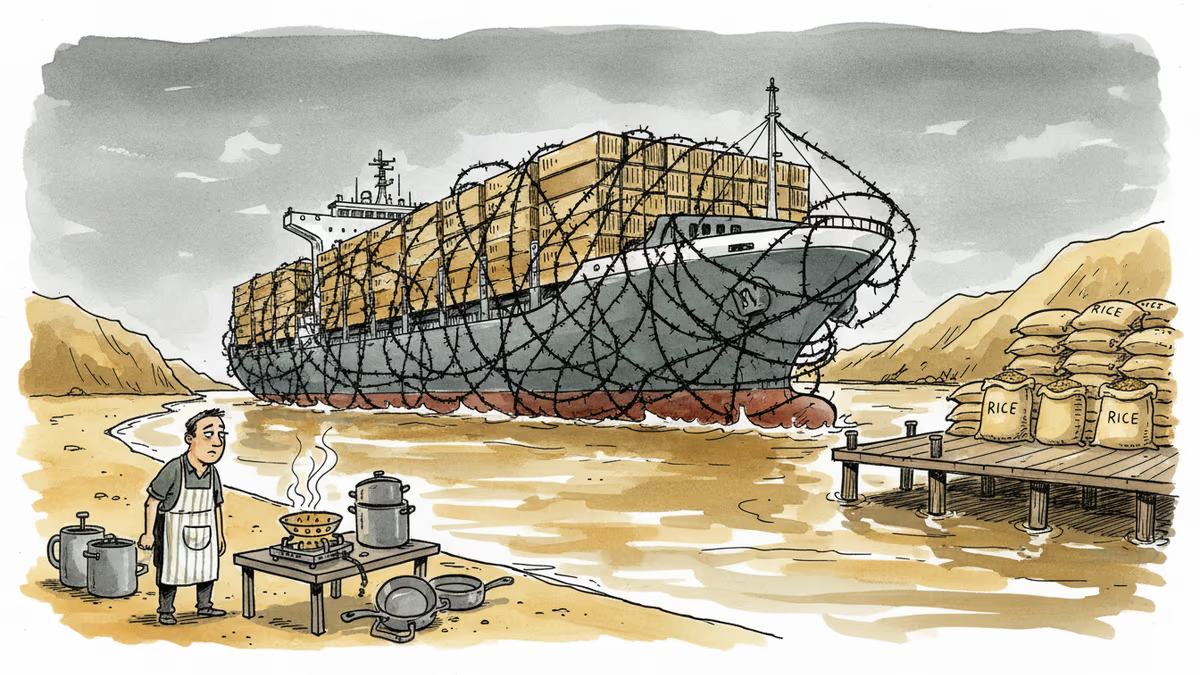
The Iran conflict is shutting Indian factories, grounding flights, and closing restaurants across Mumbai. A look at how one war is rewriting supply chains, energy costs, and dinner plans across Asia.
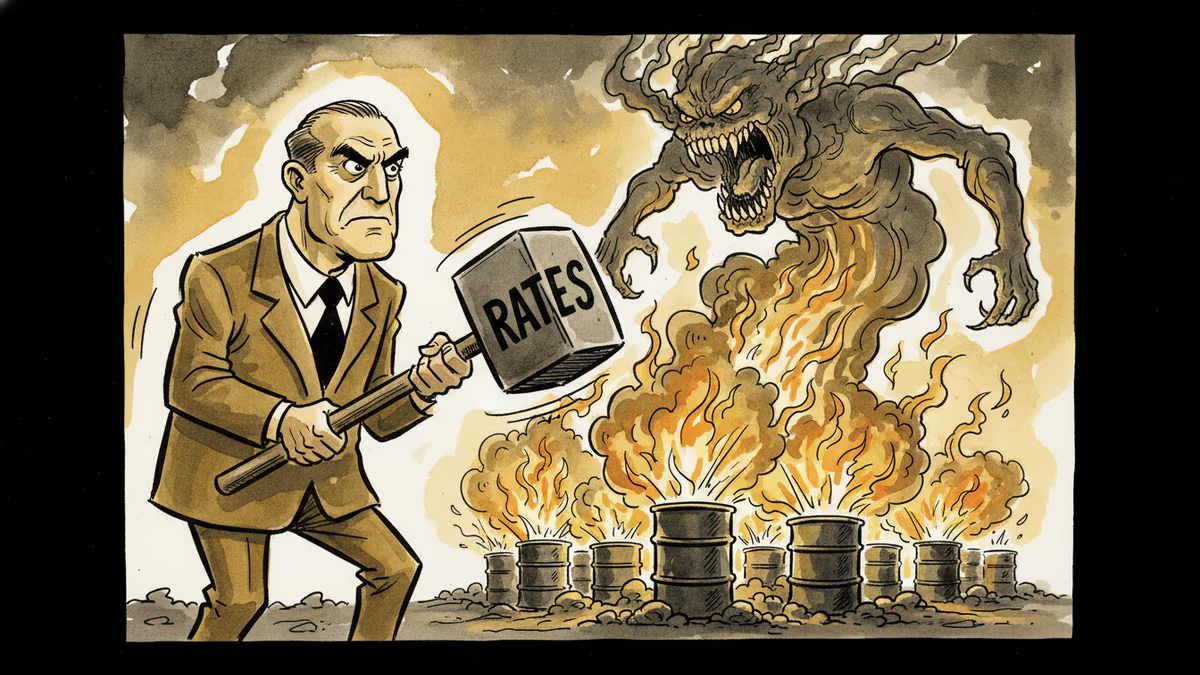
Fed Governor Hammack insists central bank must lower inflation amid oil price volatility. What this signals for interest rates and your portfolio.
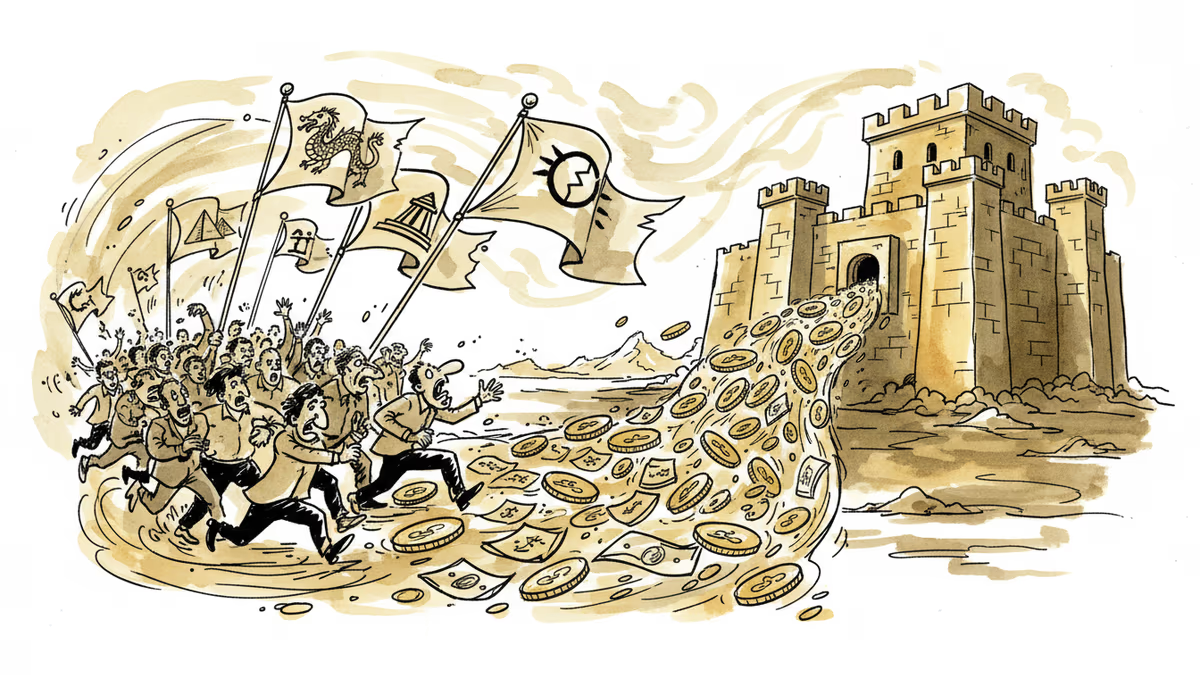
Geopolitical tensions spark massive selloff in emerging market equity funds as investors flee to safe havens, hitting global portfolios hard
Oil derivatives reveal traders view current Middle East tensions as temporary, signaling a fundamental shift in how markets price geopolitical risk in the energy transition era.
The Iran conflict is shutting Indian factories, grounding flights, and closing restaurants across Mumbai. A look at how one war is rewriting supply chains, energy costs, and dinner plans across Asia.
Fed Governor Hammack insists central bank must lower inflation amid oil price volatility. What this signals for interest rates and your portfolio.
Geopolitical tensions spark massive selloff in emerging market equity funds as investors flee to safe havens, hitting global portfolios hard
Oil derivatives reveal traders view current Middle East tensions as temporary, signaling a fundamental shift in how markets price geopolitical risk in the energy transition era.
Thoughts
Share your thoughts on this article
Sign in to join the conversation