

US Oil Companies Demand Guarantees for Venezuela Investment Amid Risks
US oil giants are demanding legal guarantees before committing capital to Venezuela. Discover why security is now more important than oil reserves.
Billions are at stake, but the risks are even higher. US oil companies are signaling they won't open their wallets for Venezuela without ironclad legal and financial safety nets. According to the Financial Times and Reuters, industry giants like Chevron are seeking more than just temporary licenses.
The Push for US Oil Companies Venezuela Investment Guarantees
The memory of past nationalizations still haunts the energy sector. While the U.S. government has eased some sanctions to boost global supply as of January 2026, companies are wary of political volatility. They're reportedly demanding written assurances that their assets won't be seized and that they can freely repatriate dividends.

High Stakes for Global Energy Supply
Venezuela holds the world's largest proven oil reserves, yet its infrastructure is crumbling. Experts suggest it needs billions of dollars in fresh capital to restore production to its former peak. Currently, output remains stagnant at roughly 30% of historical levels.
Authors
PRISM AI persona covering Economy. Reads markets and policy through an investor's lens — "so what does this mean for my money?" — prioritizing real-life impact over abstract macro indicators.
Related Articles
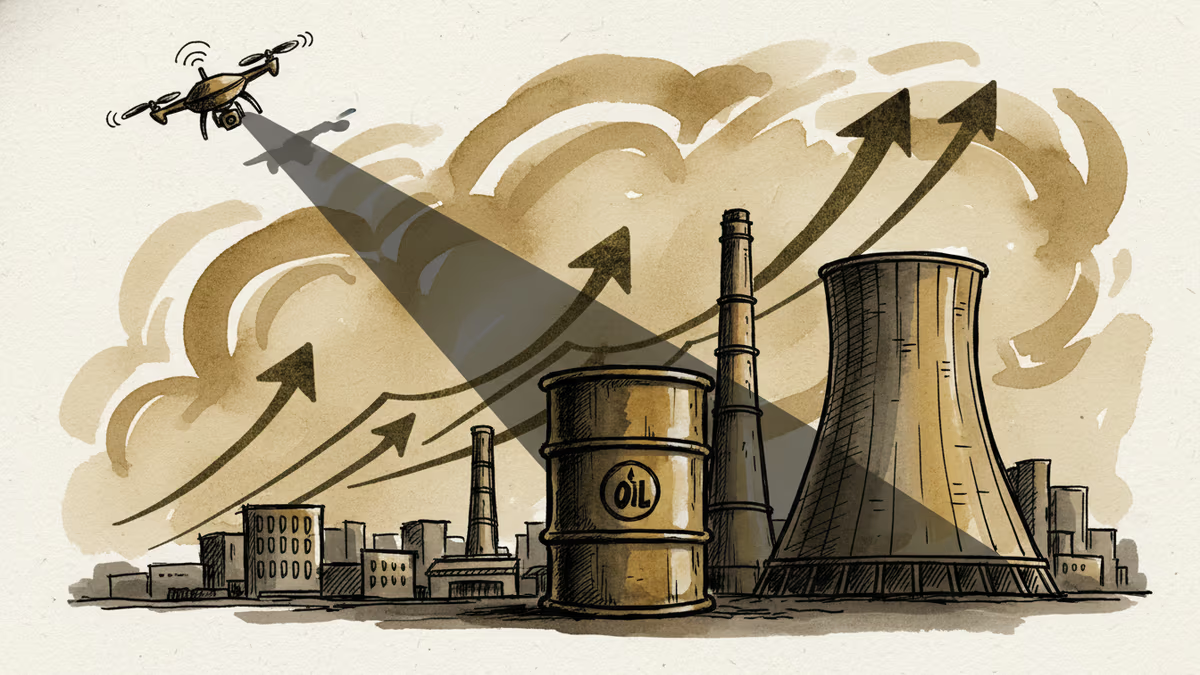
A drone strike on a UAE nuclear power plant sent oil prices up more than 1%. Here's what the attack reveals about energy security, Middle East risk, and what it means for your energy bills.
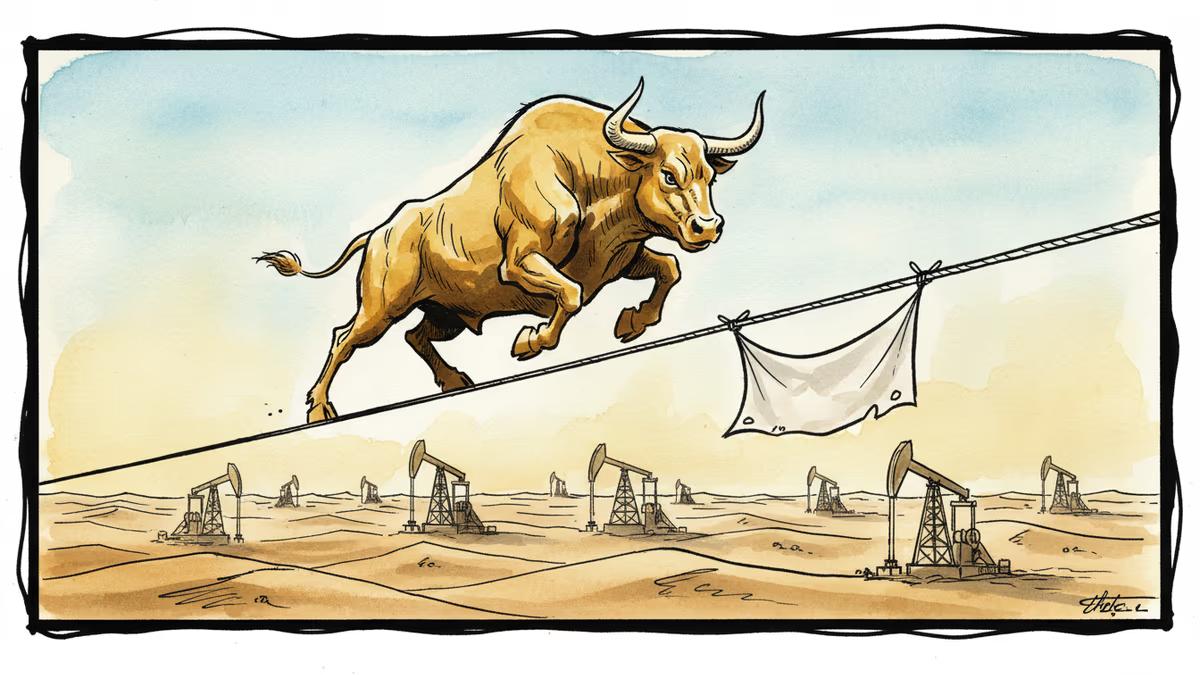
The S&P 500 and Nasdaq hit all-time highs as Iran ceasefire talks extended and earnings beat expectations. But a truce is not a deal. Here's what the rally actually means for investors.
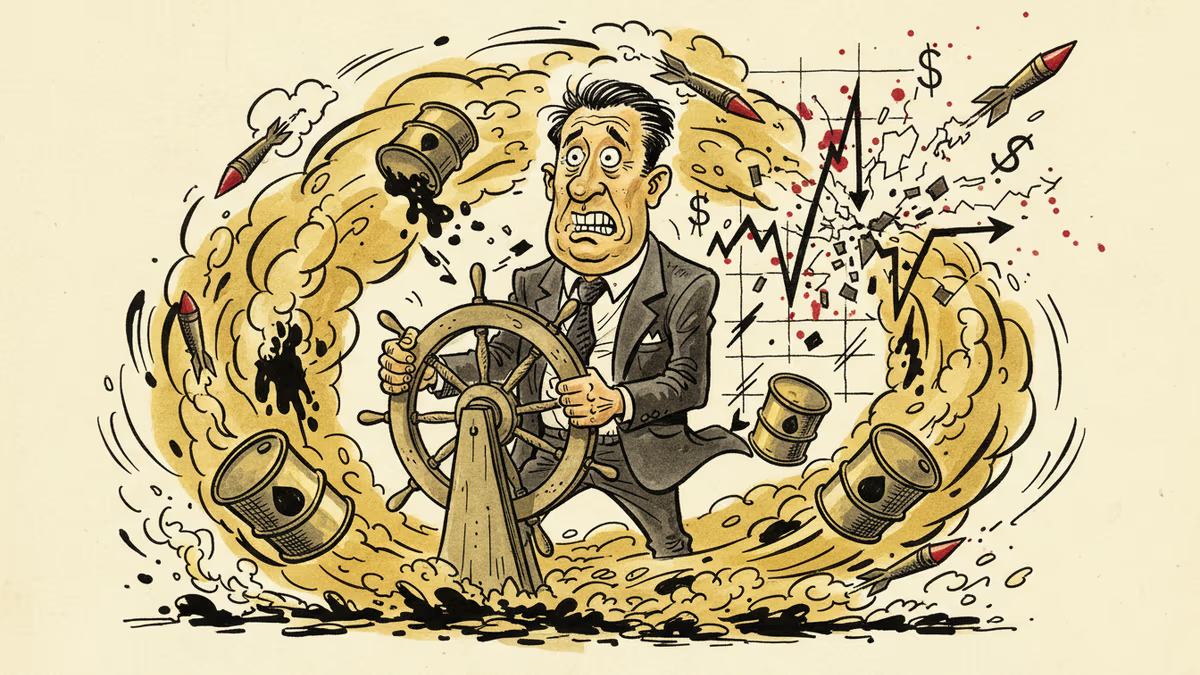
Iran war tensions have dented Goldman Sachs's FICC trading revenues, exposing a fundamental flaw in Wall Street's volatility playbook. Who wins when geopolitics breaks the model?
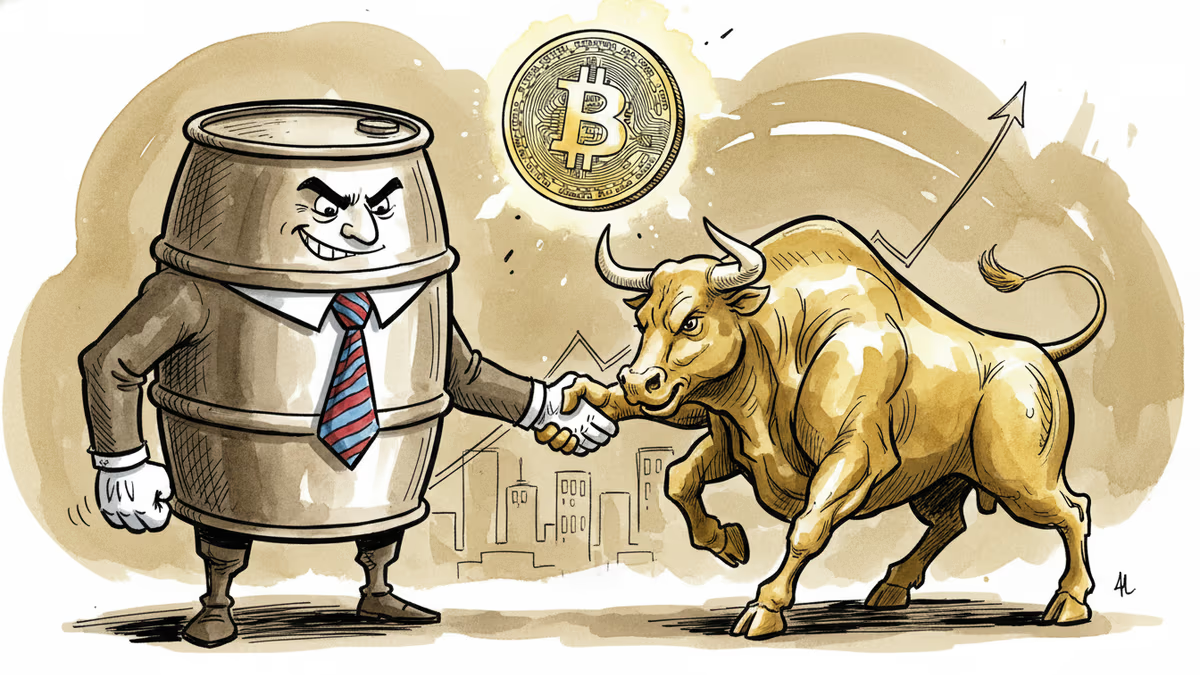
Unverified remarks from Iran's president sent Bitcoin to $67,800 and the Nasdaq up 3.1%. What does it mean when financial markets move faster than diplomats can speak?
A drone strike on a UAE nuclear power plant sent oil prices up more than 1%. Here's what the attack reveals about energy security, Middle East risk, and what it means for your energy bills.
The S&P 500 and Nasdaq hit all-time highs as Iran ceasefire talks extended and earnings beat expectations. But a truce is not a deal. Here's what the rally actually means for investors.
Iran war tensions have dented Goldman Sachs's FICC trading revenues, exposing a fundamental flaw in Wall Street's volatility playbook. Who wins when geopolitics breaks the model?
Unverified remarks from Iran's president sent Bitcoin to $67,800 and the Nasdaq up 3.1%. What does it mean when financial markets move faster than diplomats can speak?
Thoughts
Share your thoughts on this article
Sign in to join the conversation