
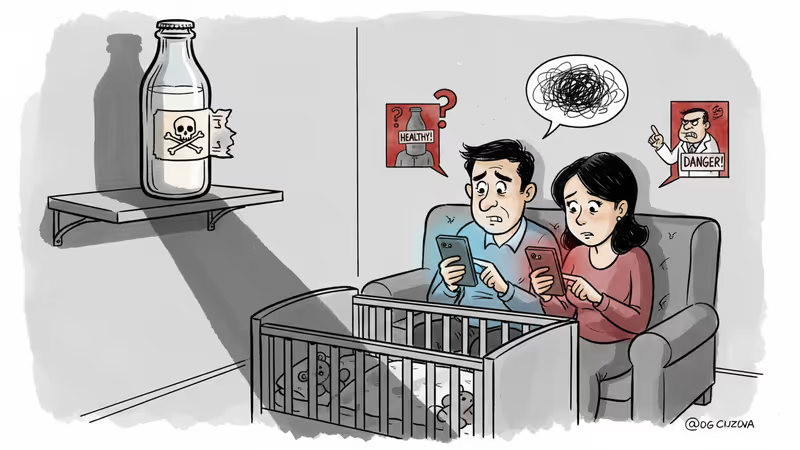
A Newborn's Death Reignites the Raw Milk Safety Debate
New Mexico reports infant death from Listeria linked to raw milk consumption during pregnancy, highlighting ongoing tensions between food freedom advocates and public health officials.
A newborn's death in New Mexico has thrust the contentious raw milk debate back into the spotlight, after state health officials confirmed the infant died from a Listeria infection likely contracted through unpasteurized dairy consumed by the mother during pregnancy.
The tragedy, announced Tuesday by the New Mexico Department of Health, underscores a growing tension between advocates of "food freedom" and public health authorities who warn that raw dairy products can harbor dangerous pathogens including Listeria, Salmonella, and E. coli.
The Hidden Dangers of Unpasteurized Dairy
Listeria monocytogenes presents a particularly insidious threat during pregnancy. While the bacteria may cause only mild flu-like symptoms in healthy adults, it can cross the placental barrier and devastate developing fetuses. The infection can trigger miscarriage, stillbirth, premature delivery, or—as in this New Mexico case—fatal infections in newborns.
Health officials emphasize that pregnant women face a 20-fold higher risk of contracting listeriosis compared to other healthy adults. The bacteria thrives in refrigerated environments, making raw dairy products an ideal breeding ground even when properly stored.
"Raw milk can contain numerous disease-causing germs, including Listeria, which is bacteria that can cause miscarriage, stillbirth, preterm birth, or fatal infection in newborns, even if the mother is only mildly ill," the department stated in its warning.
The Growing Raw Milk Movement

Despite repeated health warnings, raw milk consumption has surged in recent years, driven by claims of superior nutrition, better taste, and perceived benefits for gut health. The movement has found particular traction among wellness communities and those skeptical of industrial food processing.
Raw milk sales are legal in 30 states under various restrictions, while others permit sales directly from farms or through cow-share programs. Advocates argue that pasteurization destroys beneficial enzymes and probiotics, though scientific evidence supporting these claims remains limited.
The Raw Milk Institute, a leading advocacy organization, maintains that properly produced raw milk from grass-fed cows poses minimal risk when handled correctly. They point to millions of raw milk consumers who drink it safely, arguing that deaths like this New Mexico case represent statistical outliers rather than systemic problems.
Regulatory Tensions and Consumer Choice
The incident highlights the complex balance between individual choice and public health protection. While the CDC and FDA maintain strong positions against raw milk consumption, enforcement varies widely across jurisdictions.
Some states have moved toward greater restrictions following foodborne illness outbreaks, while others have loosened regulations in response to consumer demand. The patchwork of laws creates confusion for consumers and complicates tracking of illness cases across state lines.
Food safety experts note that unlike other risky behaviors that primarily affect the individual making the choice, raw milk consumption during pregnancy directly impacts the unborn child who has no say in the decision.
Authors
Related Articles
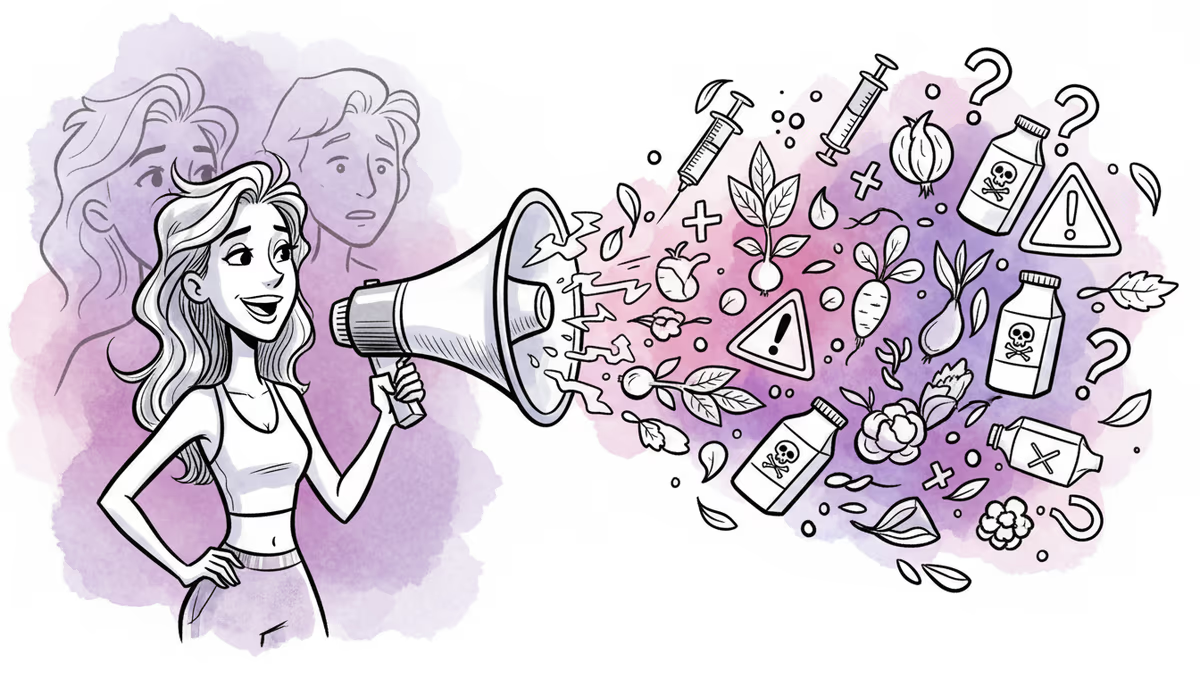
The journey from promoting healthy living to spreading medical misinformation reveals a troubling pattern in how selective science and algorithmic amplification create dangerous echo chambers.
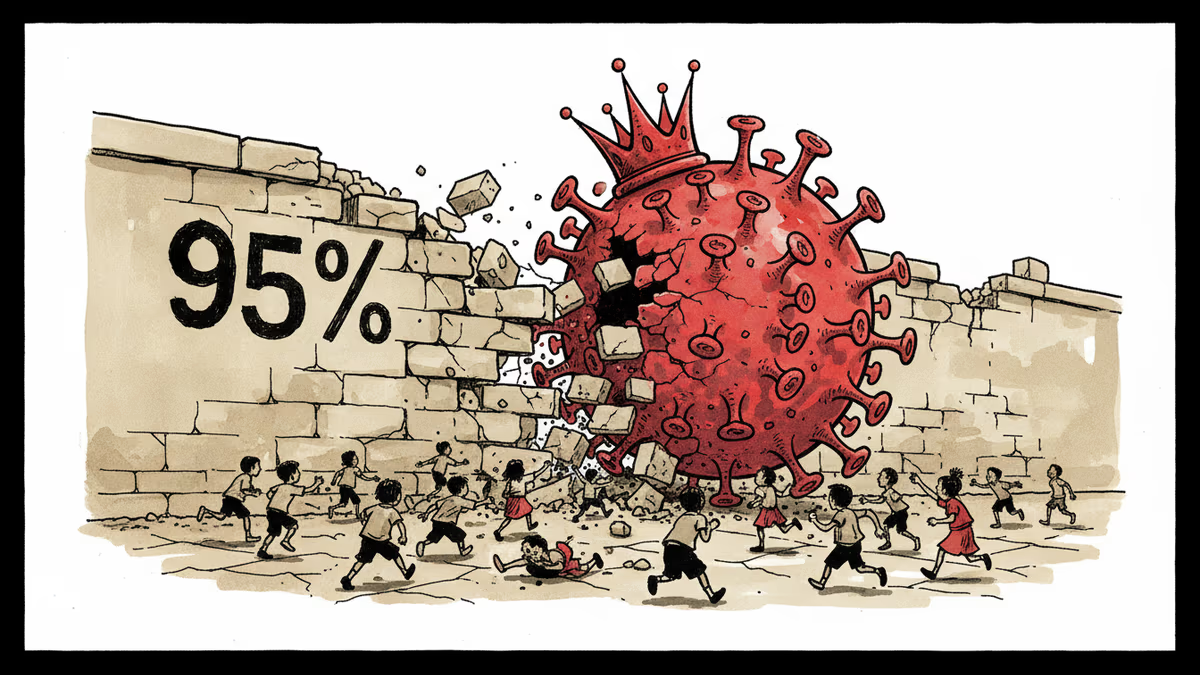
Vaccination rates plummet across London and US states as measles outbreaks surge. What happens when herd immunity collapses and childhood diseases return?
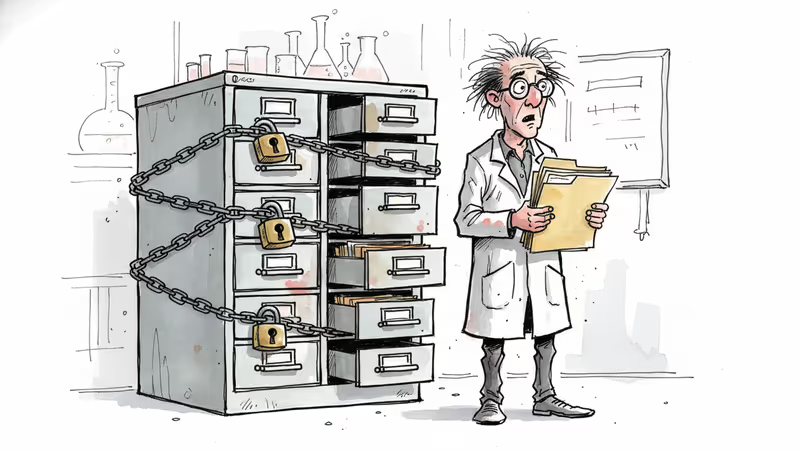
Study reveals 38 of 82 regularly updated CDC databases stopped without notice, with 87% of frozen databases containing vaccination data, raising transparency concerns

The new chair of America's vaccine advisory panel shocked medical experts by rejecting evidence-based science. What does this mean for public health policy?
The journey from promoting healthy living to spreading medical misinformation reveals a troubling pattern in how selective science and algorithmic amplification create dangerous echo chambers.
Vaccination rates plummet across London and US states as measles outbreaks surge. What happens when herd immunity collapses and childhood diseases return?
Study reveals 38 of 82 regularly updated CDC databases stopped without notice, with 87% of frozen databases containing vaccination data, raising transparency concerns
The new chair of America's vaccine advisory panel shocked medical experts by rejecting evidence-based science. What does this mean for public health policy?
Thoughts
Share your thoughts on this article
Sign in to join the conversation