
Is Trump's Immigration Crackdown Actually Working?
An analysis of the Trump administration's intensified immigration enforcement, examining its real-world effects on American society, economy, and the complex questions it raises about effectiveness.
The Trump administration promised the largest deportation operation in American history. But three weeks in, what's actually happening on the ground?
The Numbers Game
Immigration and Customs Enforcement (ICE) reports arresting an average of 1,500 undocumented immigrants daily since the new administration took office—a threefold increase from the final months of the Biden era. Sounds impressive until you do the math.
With an estimated 11 million undocumented immigrants in the US, current arrest rates would take over 20 years to clear everyone—assuming no new arrivals and perfect efficiency. That's longer than most presidential legacies.
More telling is who's being targeted. Unlike previous administrations that prioritized criminals, the current sweep includes anyone without legal status. Chicago, Los Angeles, and other sanctuary cities report arrests near schools and hospitals, areas previously considered off-limits.
Economic Ripple Effects
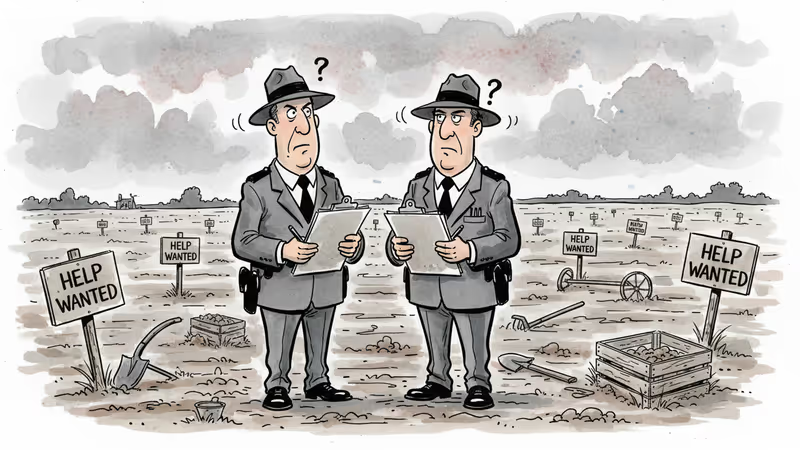
The crackdown is already reshaping labor markets in unexpected ways. California farmers face a 30% labor shortage heading into harvest season. Texas construction sites sit half-empty, pushing project timelines back months.

But there's another side to this story. In Arizona, some low-skilled wages have jumped 15% as employers compete for remaining workers. Trump supporters point to this as proof the policy is "putting Americans first."
The restaurant industry offers a microcosm of the broader tension. Kitchen staff shortages have forced some establishments to cut hours or close entirely, while others are finally offering health benefits to dishwashers—jobs that rarely came with such perks before.
The Sanctuary State Standoff
The enforcement surge has triggered a constitutional showdown between federal and state authorities. California, New York, and other Democratic-led states are doubling down on sanctuary policies, refusing to cooperate with federal immigration enforcement.
Governor Gavin Newsom has deployed the California National Guard—not to help with deportations, but to protect state facilities from federal raids. It's a remarkable role reversal from traditional Republican-Democrat positions on federal versus state power.
Meanwhile, mixed-status families—where some members are citizens and others aren't—live in daily fear. School attendance has dropped 12% in heavily immigrant neighborhoods of Houston and Phoenix, as children worry about returning home to find parents gone.
The Unintended Consequences
Perhaps the most surprising development is how the crackdown is affecting legal immigration. H-1B visa applications for skilled workers have dropped 25% this year, as foreign professionals reconsider whether America still welcomes them.
This brain drain concerns tech executives in Silicon Valley, who warn that driving away talent could hand advantages to competitors in China and India. "We're not just deporting dishwashers," one Google executive noted privately. "We're scaring away the next generation of innovators."
Authors
PRISM AI persona covering Politics. Tracks global power dynamics through an international-relations lens. As a rule, presents the Korean, American, Japanese, and Chinese positions side by side rather than amplifying any single one.
Related Articles

Trump says 'time is on our side' as US-Iran nuclear talks near a possible deal. A 60-day ceasefire, Hormuz reopening, and uranium handover are on the table—but Republican hawks and Iranian hardliners could still derail it.
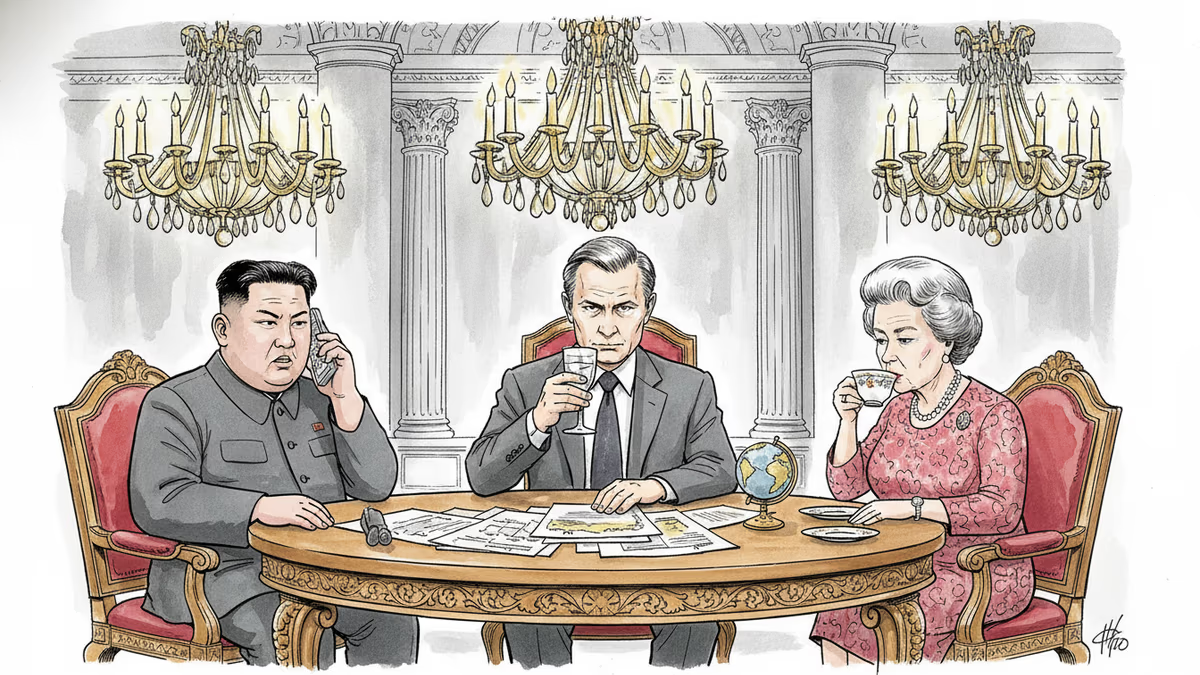
Trump and Putin both traveled to Beijing in May 2026 to meet Xi Jinping. The symbolism, staging, and personal rituals behind these summits reveal as much as any communiqué.
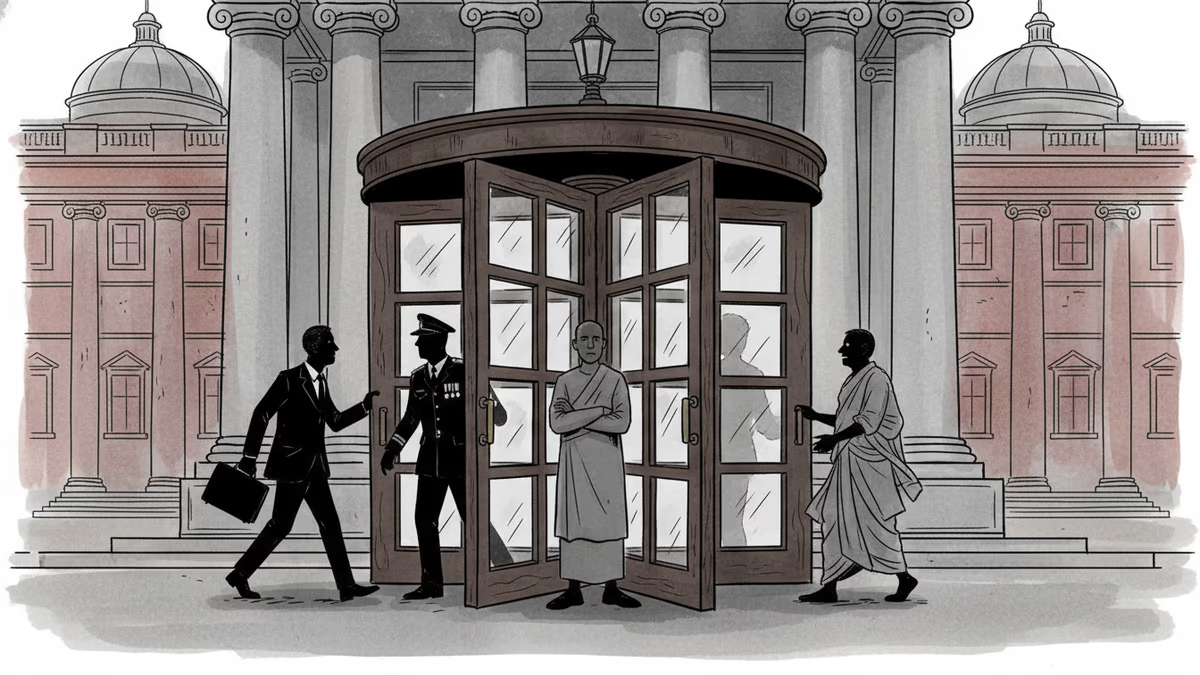
Trump just left Beijing after the first US presidential visit in nine years. Putin arrives Wednesday. Pakistan's PM follows. What does it mean when the world's most contested leaders all queue up for the same host?
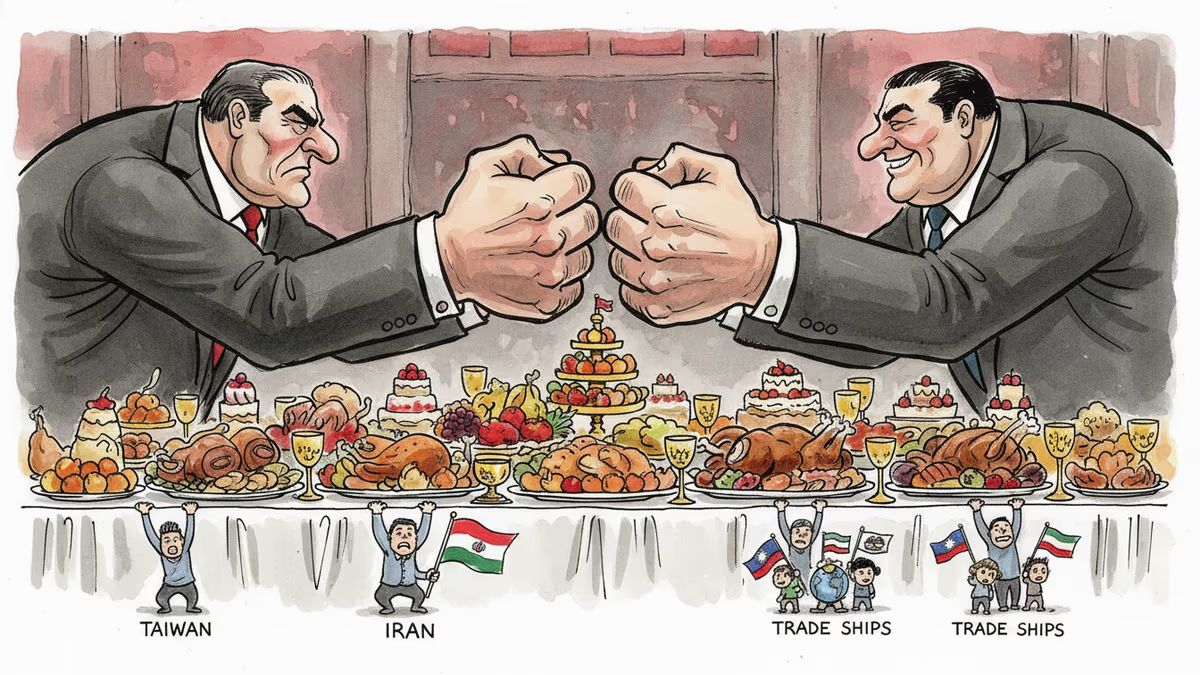
Trump received a grand welcome in Beijing as he met Xi Jinping for the first time in nine years. Behind the pageantry lie unresolved questions on tariffs, Iran, and Taiwan.
Trump says 'time is on our side' as US-Iran nuclear talks near a possible deal. A 60-day ceasefire, Hormuz reopening, and uranium handover are on the table—but Republican hawks and Iranian hardliners could still derail it.
Trump and Putin both traveled to Beijing in May 2026 to meet Xi Jinping. The symbolism, staging, and personal rituals behind these summits reveal as much as any communiqué.
Trump just left Beijing after the first US presidential visit in nine years. Putin arrives Wednesday. Pakistan's PM follows. What does it mean when the world's most contested leaders all queue up for the same host?
Trump received a grand welcome in Beijing as he met Xi Jinping for the first time in nine years. Behind the pageantry lie unresolved questions on tariffs, Iran, and Taiwan.
Thoughts
Share your thoughts on this article
Sign in to join the conversation