

Microsoft's $1.5B G42 Gambit: The Dawn of Corporate Statecraft in the AI Cold War
Microsoft's $1.5B investment in G42 is not a simple deal. It's a new US foreign policy model using tech giants to fight the AI war against China.
The Lede: This Isn't a Deal, It's a Doctrine
Microsoft's $1.5 billion investment in the UAE's G42 is far more than a strategic cloud partnership—it's the blueprint for America's new foreign policy doctrine. For any executive or investor operating on the global stage, this deal is a critical signal: the US is now officially weaponizing its tech giants to build geopolitical alliances and counter China's influence. This state-backed corporate maneuver redefines the battlefield for AI dominance, moving it from Silicon Valley labs directly into the halls of sovereign power.
Why It Matters: The Second-Order Effects
The immediate transaction—cash for equity and cloud services—is the least interesting part of this story. The real impact lies in the precedent it sets and the new rules of engagement it establishes for the global tech industry.
- The 'Trusted Tech Territory' Model: The U.S. government's explicit blessing, contingent on G42 divesting from Chinese technology, creates a template. We are witnessing the formation of secure, US-aligned tech ecosystems. Nations will increasingly be forced to choose a side; tech neutrality is becoming a fantasy.
- Cloud as a Geopolitical Moat: This elevates the cloud wars beyond features and pricing. Microsoft's Azure isn't just winning a major client; it's becoming the foundational infrastructure for a key strategic partner of the United States. This creates a deeply entrenched, politically fortified competitive advantage that AWS and Google Cloud will find difficult to replicate without similar state-level backing.
- The End of 'Move Fast and Break Things': For AI companies with global ambitions, the playbook has changed. Growth is now contingent on geopolitical alignment. Due diligence must now include a 'geopolitical risk' audit. Whose hardware are you using? Which nation's cloud are you building on? These are now board-level questions.

The Analysis: From Trade Wars to Tech Alliances
For years, the US-China rivalry has been defined by tariffs, sanctions, and entity lists—a largely adversarial framework. The G42 deal marks a strategic evolution from simple containment to proactive alliance-building. It's a direct response to China's Digital Silk Road, which has successfully embedded Chinese technology (like Huawei's 5G) into emerging economies.
Instead of merely blocking Chinese tech, the U.S. is now providing a powerful, well-funded alternative. Microsoft, with U.S. Commerce Secretary Gina Raimondo's implicit endorsement, is acting as an instrument of statecraft. Brad Smith's seat on the G42 board isn't just corporate governance; it's a form of geopolitical oversight, ensuring a key AI player in a capital-rich region remains firmly within the Western technology orbit.
This deal effectively turns the UAE from a potential technological swing state into a cornerstone of the U.S. AI strategy in the Middle East, a region flush with the two resources critical for AI supremacy: massive capital and vast datasets.
PRISM's Take: The Great Tech Sort is Here
We are witnessing the end of the truly global, borderless tech industry. This deal is the clearest signal yet that the 'Splinternet' is evolving into something more structured: a series of heavily fortified, state-sponsored 'Trusted Tech Territories.' Microsoft has just laid the cornerstone for the American territory in the Middle East. The message to the rest of the world is stark and unambiguous: if you want access to the future of American AI innovation, you must become part of its strategic bloc. For global corporations and sovereign nations, the time to choose your technological future is now.
Authors
Related Articles
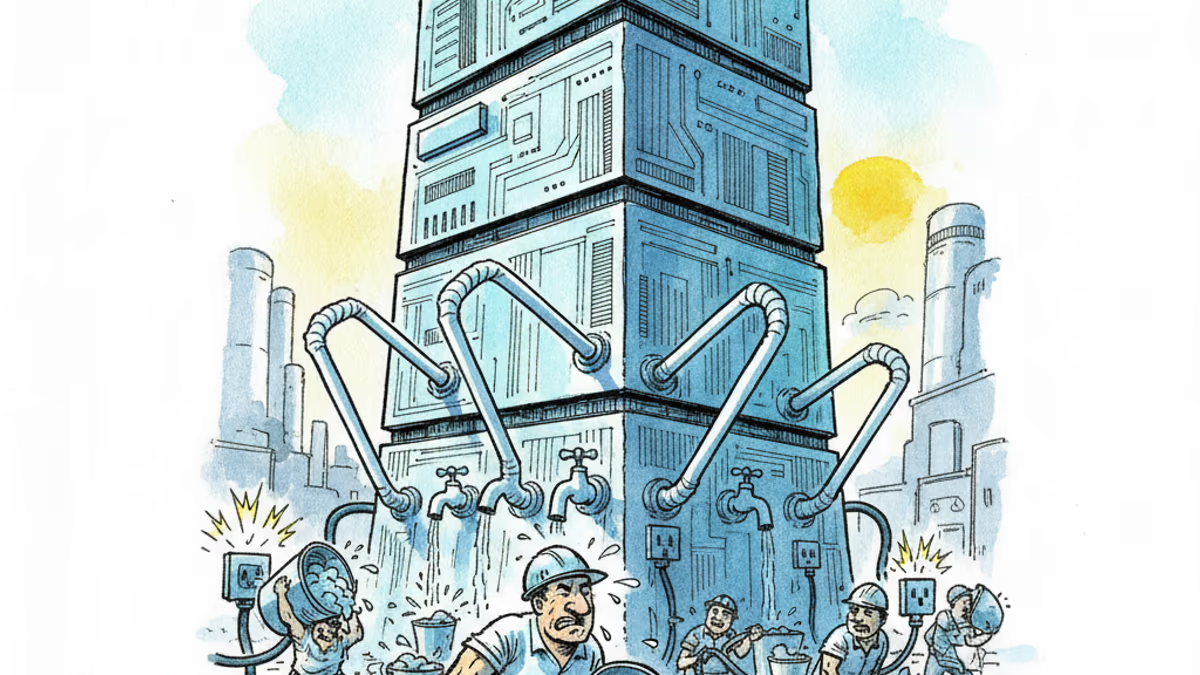
Samsung and SK unveiled a chip and AI investment package worth thousands of trillions of won on June 29. The headline number swings wildly by outlet, but the real contest isn't capital — it's water and power.
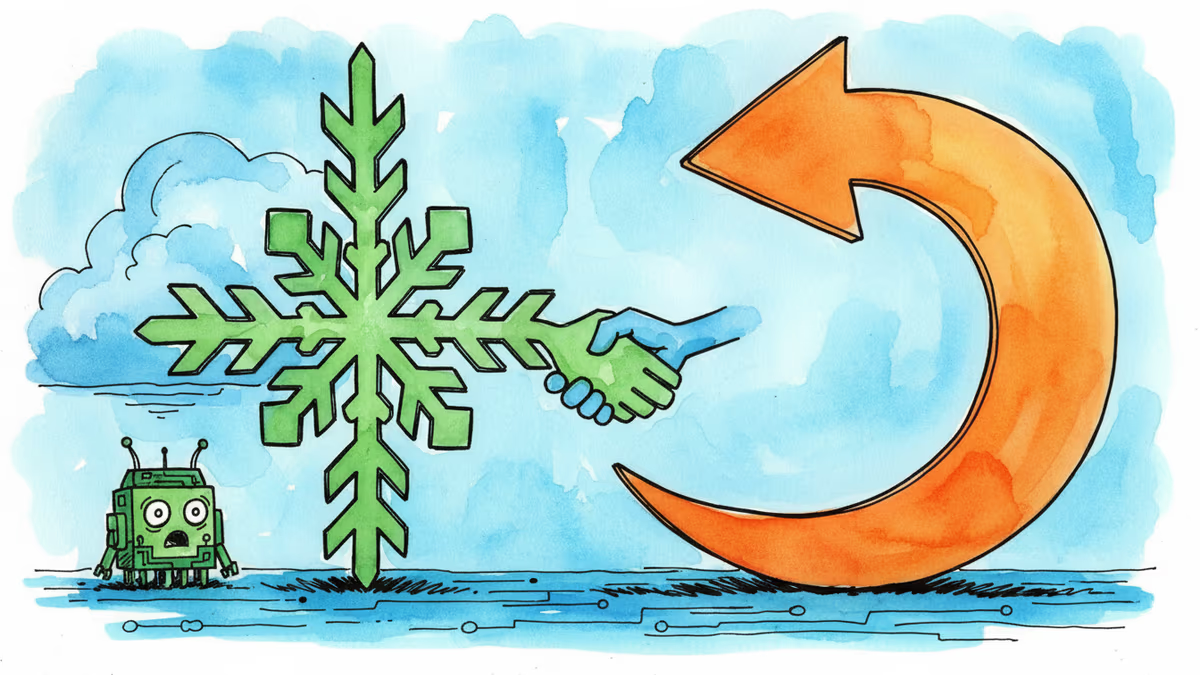
Snowflake's new $6 billion AWS contract is about more than cloud spending. It signals a shift in AI infrastructure—away from Nvidia GPUs and toward cheaper, homegrown chips for the agent era.

China is restricting AI researchers and startup founders from traveling abroad as the U.S.-China AI performance gap narrows to just 2.7%. What Beijing's talent lockdown means for the global AI race.
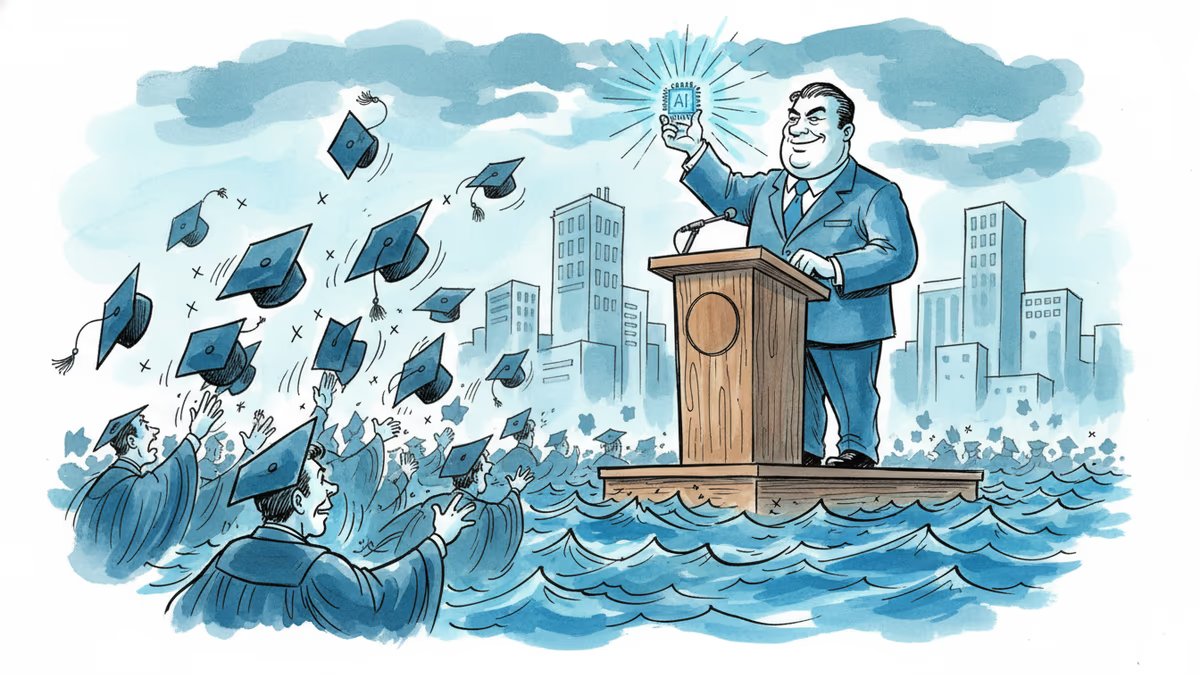
Viral videos show 2026 graduates jeering executives who praise AI at commencement ceremonies. It's not just rudeness — it's a signal about who pays for technological optimism.
Samsung and SK unveiled a chip and AI investment package worth thousands of trillions of won on June 29. The headline number swings wildly by outlet, but the real contest isn't capital — it's water and power.
Snowflake's new $6 billion AWS contract is about more than cloud spending. It signals a shift in AI infrastructure—away from Nvidia GPUs and toward cheaper, homegrown chips for the agent era.
China is restricting AI researchers and startup founders from traveling abroad as the U.S.-China AI performance gap narrows to just 2.7%. What Beijing's talent lockdown means for the global AI race.
Viral videos show 2026 graduates jeering executives who praise AI at commencement ceremonies. It's not just rudeness — it's a signal about who pays for technological optimism.
Thoughts
Share your thoughts on this article
Sign in to join the conversation