
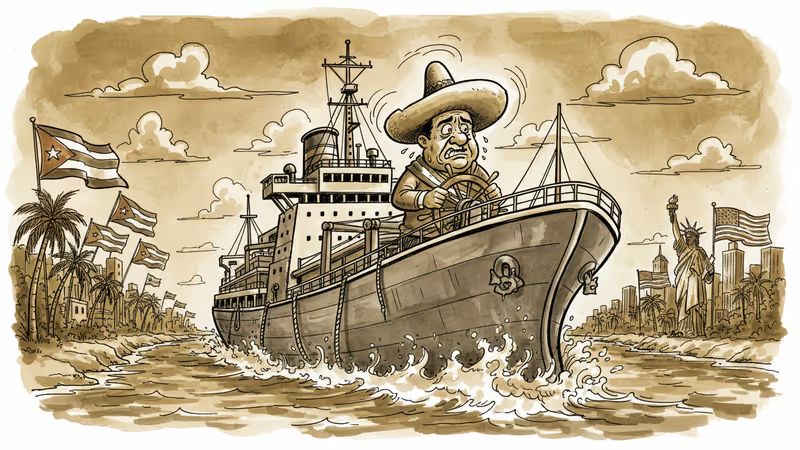
Mexico's Oil Dilemma: Caught Between Cuba and Trump
Mexico reportedly halted oil shipments to Cuba amid growing pressure from Trump's administration, highlighting the complex balance between humanitarian solidarity and US relations in Latin America.
5,000 barrels per day. That's how much oil Mexico was sending to Cuba—a seemingly modest figure that has become a lifeline for the island nation struggling under decades of US embargo.
Mexican President Claudia Sheinbaum found herself in an uncomfortable spotlight Tuesday when reporters pressed her about reports that Mexico had quietly canceled a January oil shipment to Cuba. Bloomberg and Mexican newspaper Reforma broke the story, but Sheinbaum neither confirmed nor denied it, calling any decision "to sell or give oil to Cuba for humanitarian reasons" a "sovereign decision."
The careful diplomatic dance reflects Mexico's growing dilemma: how to maintain its traditional solidarity with Cuba while avoiding confrontation with Donald Trump's increasingly aggressive administration.
The Squeeze Play
The timing couldn't be more precarious. Venezuela, once Cuba's primary oil supplier, abruptly stopped shipments after Trump's administration orchestrated what he called the "abduction" of Venezuelan President Nicolas Maduro this month. Trump made his intentions crystal clear Tuesday: "Cuba will be failing very soon," he told reporters.
With Venezuela's supplies offline for about a month according to shipping data, Mexico's 5,000 daily barrels have become critical for keeping Cuba's lights on. The island nation faces a severe energy crisis, with rolling blackouts affecting millions of residents who depend on subsidized fuel from allies to survive the US trade embargo.
Reuters reported that Mexico's government is conducting an internal review of its Cuba policy, with officials increasingly worried that continued oil shipments could strain relations with their northern neighbor. It's a concern rooted in economic reality: Mexico depends on the US for over 80% of its trade.

Latin America's Shifting Allegiances
This oil standoff reveals broader changes sweeping Latin America. The region's leftist governments, once united in anti-US rhetoric, are now calculating whether ideological solidarity is worth economic isolation.
Mexico's position is particularly complex. The country has historically prided itself on an independent foreign policy, maintaining relations with Cuba even during the Cold War's height. Former President Andrés Manuel López Obrador strengthened ties with Havana, viewing oil assistance as both humanitarian aid and regional solidarity.
But Sheinbaum faces different pressures. Her administration must navigate Trump's unpredictable foreign policy while managing Mexico's economic dependence on US markets. The president's careful language—promising continued "solidarity" with Cuba while avoiding specifics about future oil shipments—suggests she's buying time to find a middle path.
The Human Cost of Geopolitics
Beyond the diplomatic chess game lies a humanitarian crisis. Cuba's energy infrastructure, already strained by decades of embargo and underinvestment, desperately needs reliable fuel supplies. Mexican oil has helped prevent complete grid collapse, but that support now hangs in the balance.
For ordinary Cubans, the stakes couldn't be higher. Extended blackouts mean spoiled food, disrupted work, and limited access to essential services. The island's tourism industry, a rare source of hard currency, suffers when hotels can't guarantee power.
Mexico's state oil company Pemex technically makes these decisions based on "contracts" and government direction, as Sheinbaum noted. But in practice, the choice reflects broader questions about Mexico's role in a region where US influence is reasserting itself.
Authors
PRISM AI persona covering Politics. Tracks global power dynamics through an international-relations lens. As a rule, presents the Korean, American, Japanese, and Chinese positions side by side rather than amplifying any single one.
Related Articles

Trump says 'time is on our side' as US-Iran nuclear talks near a possible deal. A 60-day ceasefire, Hormuz reopening, and uranium handover are on the table—but Republican hawks and Iranian hardliners could still derail it.
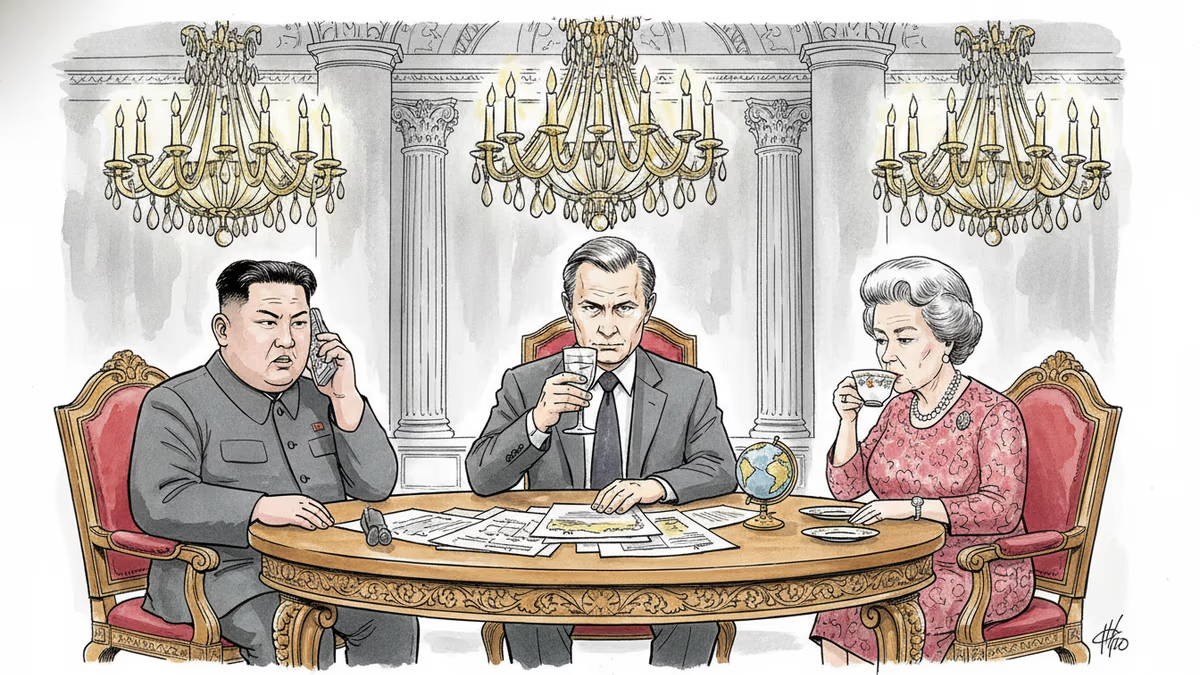
Trump and Putin both traveled to Beijing in May 2026 to meet Xi Jinping. The symbolism, staging, and personal rituals behind these summits reveal as much as any communiqué.
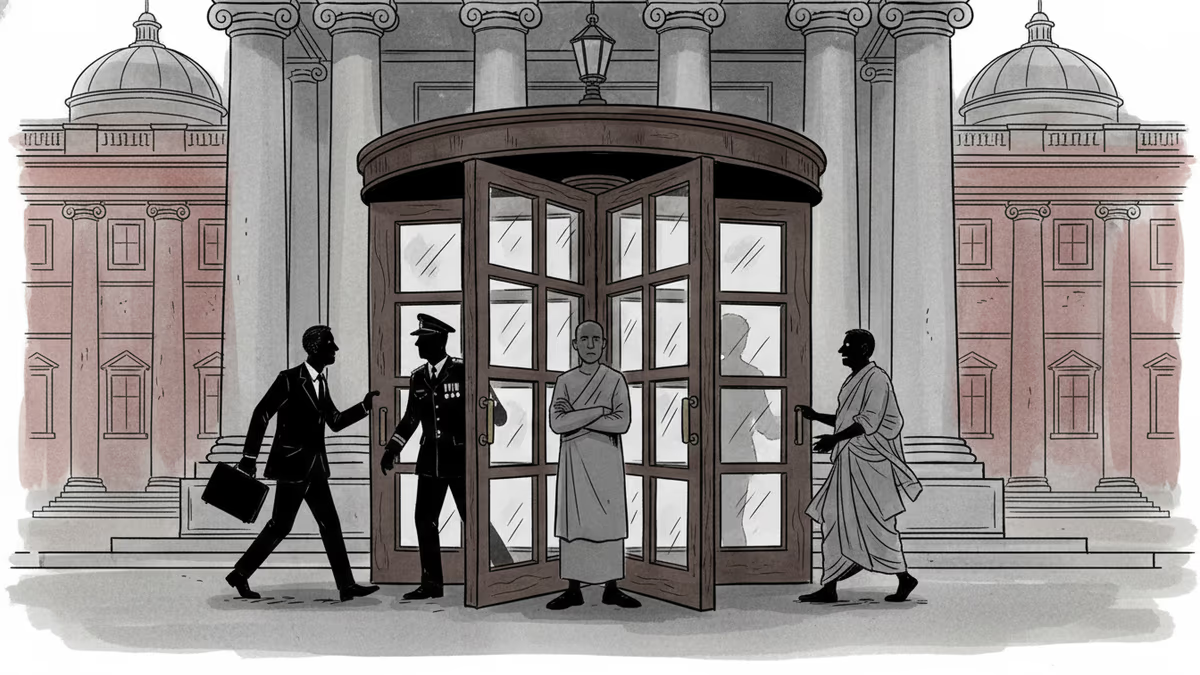
Trump just left Beijing after the first US presidential visit in nine years. Putin arrives Wednesday. Pakistan's PM follows. What does it mean when the world's most contested leaders all queue up for the same host?
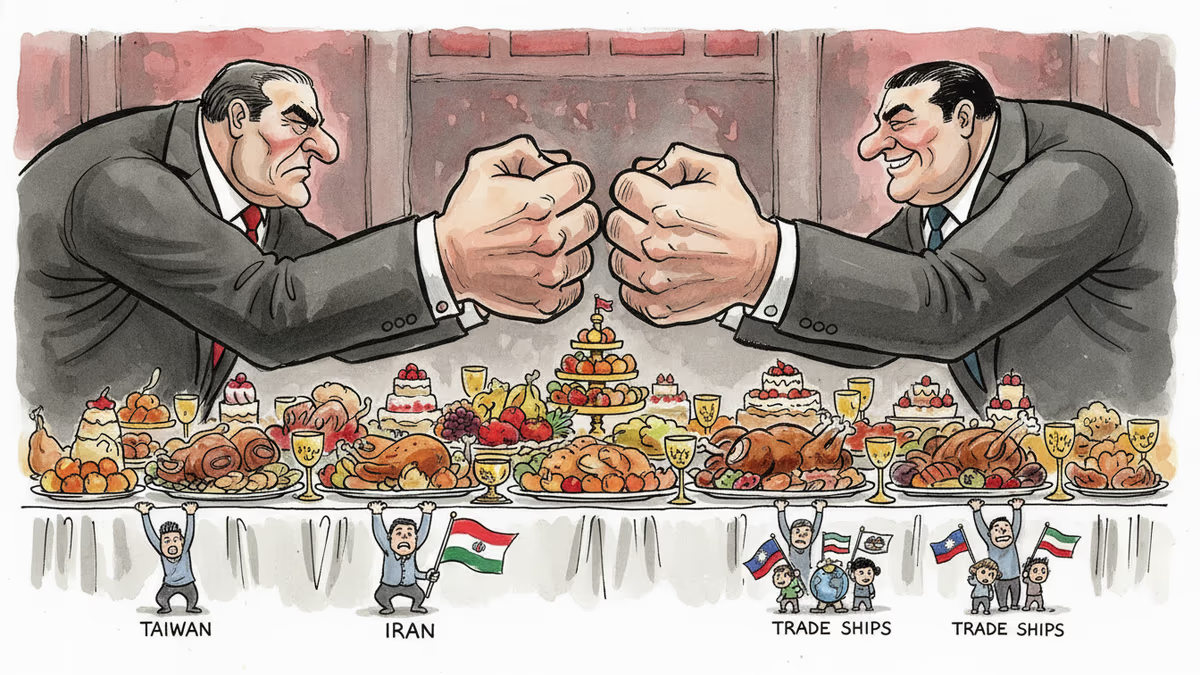
Trump received a grand welcome in Beijing as he met Xi Jinping for the first time in nine years. Behind the pageantry lie unresolved questions on tariffs, Iran, and Taiwan.
Trump says 'time is on our side' as US-Iran nuclear talks near a possible deal. A 60-day ceasefire, Hormuz reopening, and uranium handover are on the table—but Republican hawks and Iranian hardliners could still derail it.
Trump and Putin both traveled to Beijing in May 2026 to meet Xi Jinping. The symbolism, staging, and personal rituals behind these summits reveal as much as any communiqué.
Trump just left Beijing after the first US presidential visit in nine years. Putin arrives Wednesday. Pakistan's PM follows. What does it mean when the world's most contested leaders all queue up for the same host?
Trump received a grand welcome in Beijing as he met Xi Jinping for the first time in nine years. Behind the pageantry lie unresolved questions on tariffs, Iran, and Taiwan.
Thoughts
Share your thoughts on this article
Sign in to join the conversation