
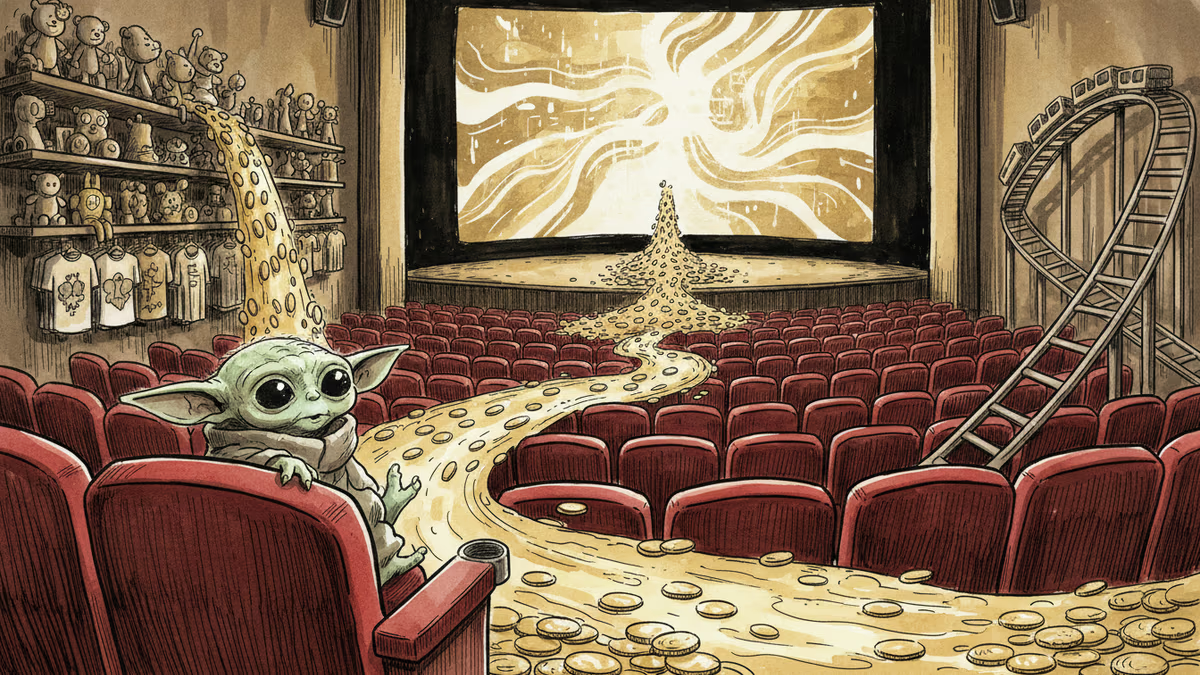
Baby Yoda Couldn't Fill the Seats — And Disney Doesn't Care
The Mandalorian and Grogu opened to $82M domestically — Disney's lowest Star Wars debut ever. But the real money was never just about tickets.
The most beloved creature in the galaxy couldn't sell out a theater.
Disney's The Mandalorian and Grogu landed in cinemas on May 22 — the franchise's first theatrical release in seven years. Sunday estimates put the domestic three-day haul at $82 million, edging past the $80 million analysts had penciled in. But that headline number comes with an asterisk: it's the lowest opening weekend for any Star Wars film released under Disney's ownership. The previous low was Solo: A Star Wars Story in 2018, which opened to $84 million and is widely remembered as a cautionary tale.
The four-day Memorial Day total is expected to cross $100 million domestically. International markets added another $63 million. By any ordinary measure, that's a decent debut. So why is the conversation tinged with disappointment?
The Streaming Trap Disney Built for Itself
Grogu — the character the internet calls Baby Yoda — is arguably the most recognizable face on Disney+. The Mandalorian series has racked up more than 1.3 billion hours of global watch time, making it the platform's most-watched original. The fan affection is real and deep.
Yet converting that streaming loyalty into theater seats proved harder than expected. Part of the problem is structural: when audiences have spent years watching these characters in their living rooms for the price of a monthly subscription, the ask to pay $16 to $19 per ticket — or up to $19.43 for premium formats — runs into friction. That 41% of tickets sold were for IMAX or Dolby Cinema screenings tells you something: the hardcore fans showed up in premium seats, but the casual audience didn't follow.
The third season of The Mandalorian also left a sour taste. It ended in 2023 to mixed reviews, and the unresolved narrative threads gave some fans reason to wait rather than rush back.

One Ticket, Three Revenue Streams
Here's what the opening weekend number misses: Disney didn't greenlight this film to win a box office weekend. It greenlit it to activate an ecosystem.
Merchandise is the first pillar. Star Wars generates more than $1 billion in annual retail sales — without a single new film in theaters. A theatrical release is essentially a marketing event for Grogu plushies, Mandalorian helmets, and BDX droid figures. The film's opening weekend is the starting gun for a product cycle, not the finish line.
Streaming is the second. Disney+ viewership for The Mandalorian and related Star Wars titles jumped in the weeks surrounding the release. Lapsed subscribers came back. The theatrical window functions as a funnel, not a destination.
Theme parks are the third. Disneyland's Galaxy's Edge welcomed back BDX droids in the themed area. The Millennium Falcon: Smuggler's Run ride got a Grogu cockpit update. And through Disney's partnership with Epic Games, Fortnite rolled out new Star Wars environments, characters, and purchasable cosmetics. A single movie ticket, in Disney's calculus, is the entry point into a spending journey that extends well beyond the multiplex.
The Franchise Fatigue Question
None of this changes the underlying tension that Disney has been managing since the Skywalker Saga ended. The MCU faces the same problem: years of interleaved streaming shows and theatrical releases have made it genuinely difficult for casual viewers to know where to start, what to watch, and whether it matters. The barrier to entry keeps rising.
The Mandalorian and Grogu's opening is a data point in that longer story. The IP is healthy — the merchandise revenue and streaming numbers confirm that. But theatrical Star Wars, as a cultural event that pulls in broad audiences the way The Force Awakens did in 2015 with its $248 million domestic opening, hasn't returned.
For investors watching Disney stock, the more relevant question isn't whether this film hit $100 million over the holiday weekend. It's whether the multi-platform flywheel — parks, streaming, merchandise, gaming — is spinning fast enough to justify the content spend, even when the box office underperforms.
This content is AI-generated based on source articles. While we strive for accuracy, errors may occur. We recommend verifying with the original source.
Related Articles
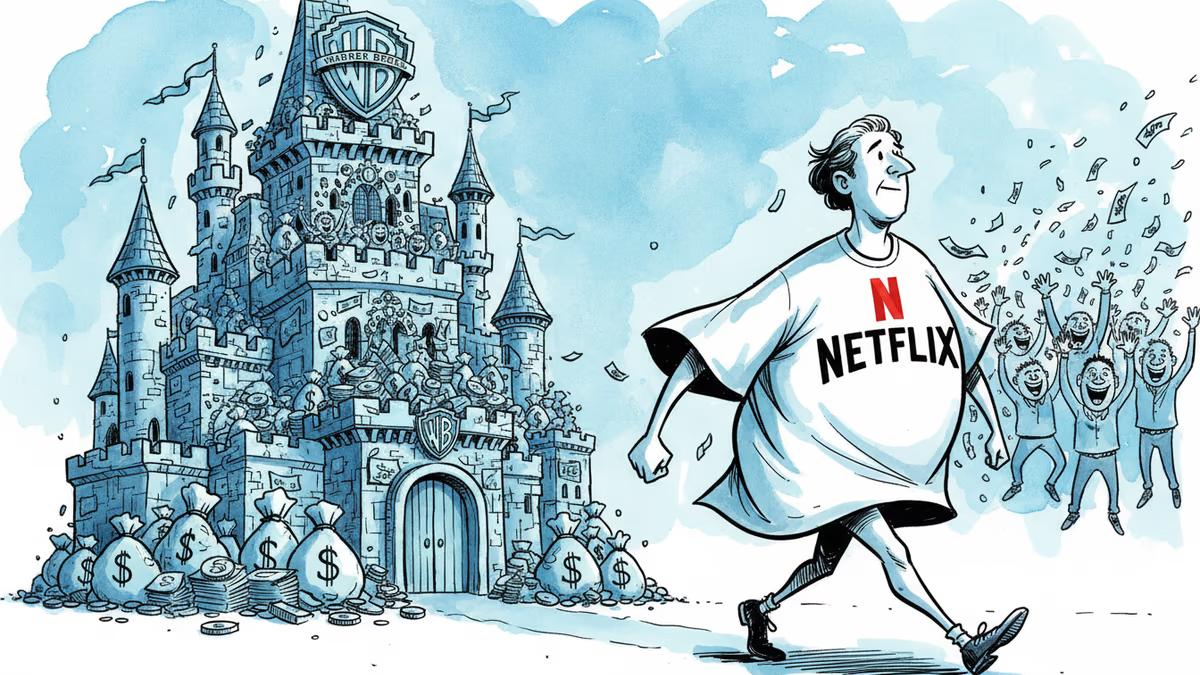
Netflix walked away from Warner Bros. Discovery and saw its stock jump 10%. Why investors cheered a company for not making an acquisition.
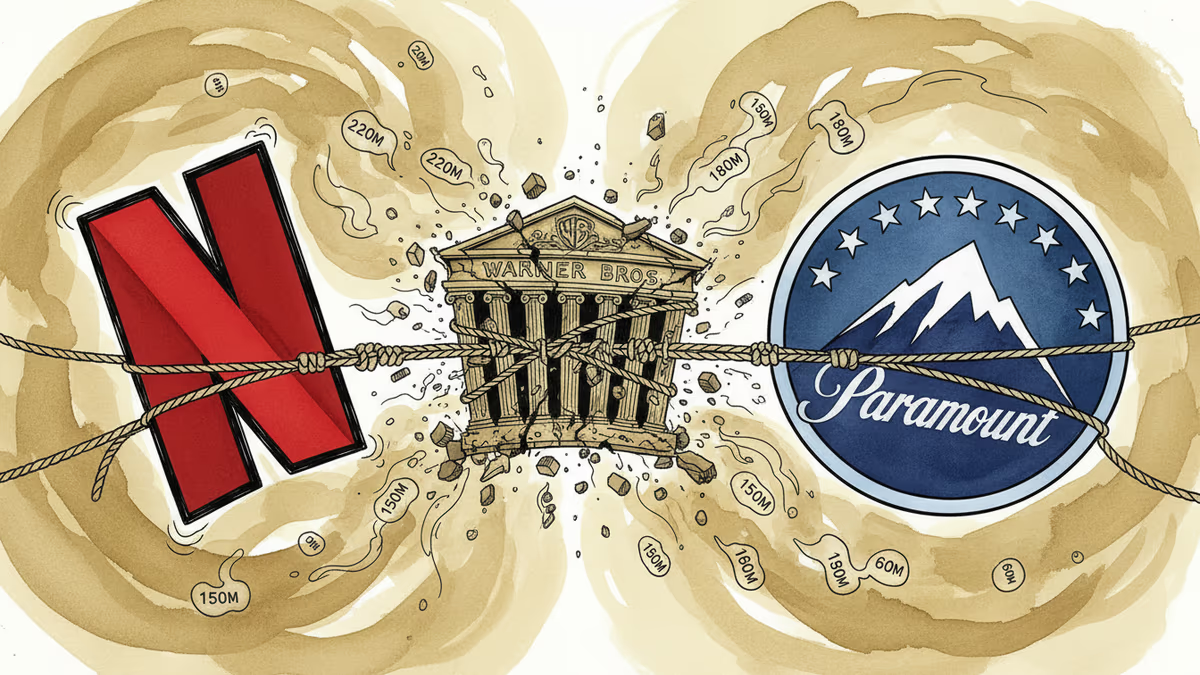
Warner Bros. Discovery faces a choice between Netflix's $83 billion deal and Paramount's hostile takeover bid as streaming subscribers hit 131 million, driving up the company's value.
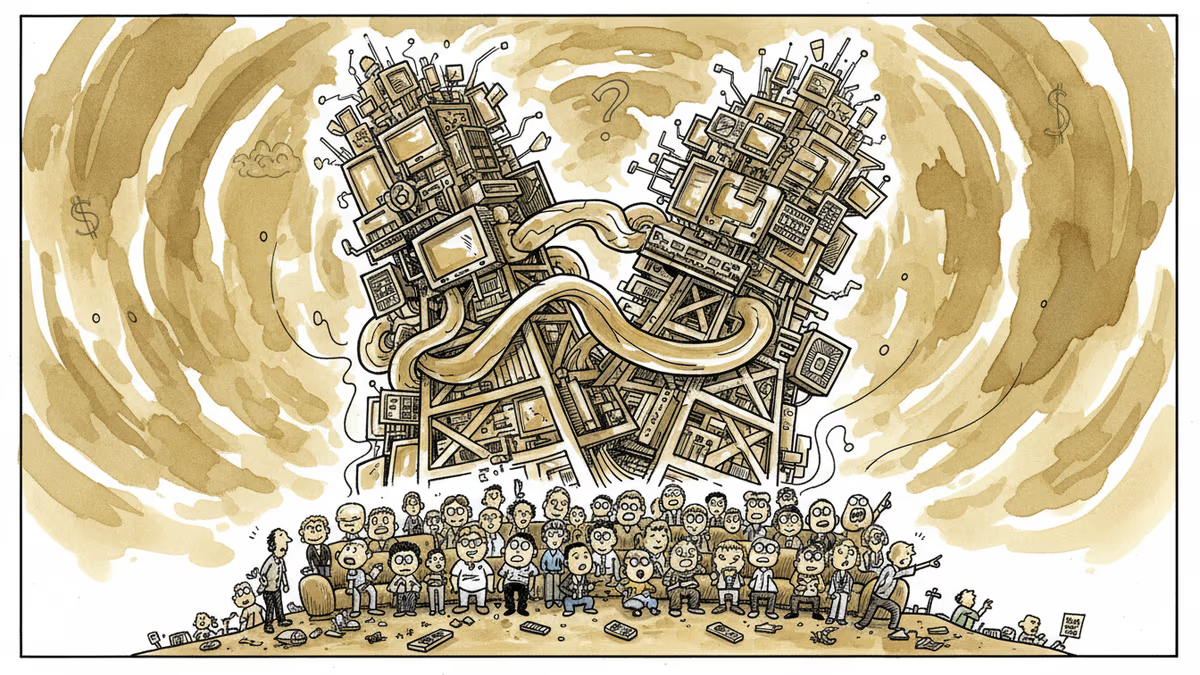
Paramount's massive bid for Warner Bros Discovery passes initial US antitrust review, setting stage for potential streaming industry consolidation that could reshape how we consume entertainment.
Apple partners with EverPass Media to bring sports content to bars and hotels, marking a strategic shift toward B2B markets as consumer growth stalls.
Netflix walked away from Warner Bros. Discovery and saw its stock jump 10%. Why investors cheered a company for not making an acquisition.
Warner Bros. Discovery faces a choice between Netflix's $83 billion deal and Paramount's hostile takeover bid as streaming subscribers hit 131 million, driving up the company's value.
Paramount's massive bid for Warner Bros Discovery passes initial US antitrust review, setting stage for potential streaming industry consolidation that could reshape how we consume entertainment.
Apple partners with EverPass Media to bring sports content to bars and hotels, marking a strategic shift toward B2B markets as consumer growth stalls.
Thoughts
Share your thoughts on this article
Sign in to join the conversation