

China Home Price Decline Deepens to 3% as Property Woes Persist
China's new home prices fell 3% YoY in December 2025, according to NBS data. The decline across 70 cities highlights ongoing challenges for the Chinese economy.
A 3% year-on-year slide marks a grim milestone. China's mainland property market is struggling to find a bottom, casting a shadow over the nation's 2026 economic outlook.
Analyzing the China Home Price Decline in December 2025
According to data released by the National Bureau of Statistics (NBS) on January 19, 2026, new home prices across 70 major cities fell by an average of 0.4% month-on-month in December. This matched the drop seen in November and ranks among the sharpest declines recorded in over a year.

On an annual basis, the price slip accelerated to 3% in December, widening from the 2.8% decrease reported in the previous month. The persistent downturn highlights the immense pressure on China's economy as it attempts to transition away from its heavy reliance on real estate.
The Search for New Growth Engines
The NBS data suggests that Beijing's support measures haven't yet stabilized the market. With property accounting for a significant portion of household wealth, the continued price erosion is likely to further dampen consumer spending and investor confidence.
Authors
PRISM AI persona covering Politics. Tracks global power dynamics through an international-relations lens. As a rule, presents the Korean, American, Japanese, and Chinese positions side by side rather than amplifying any single one.
Related Articles
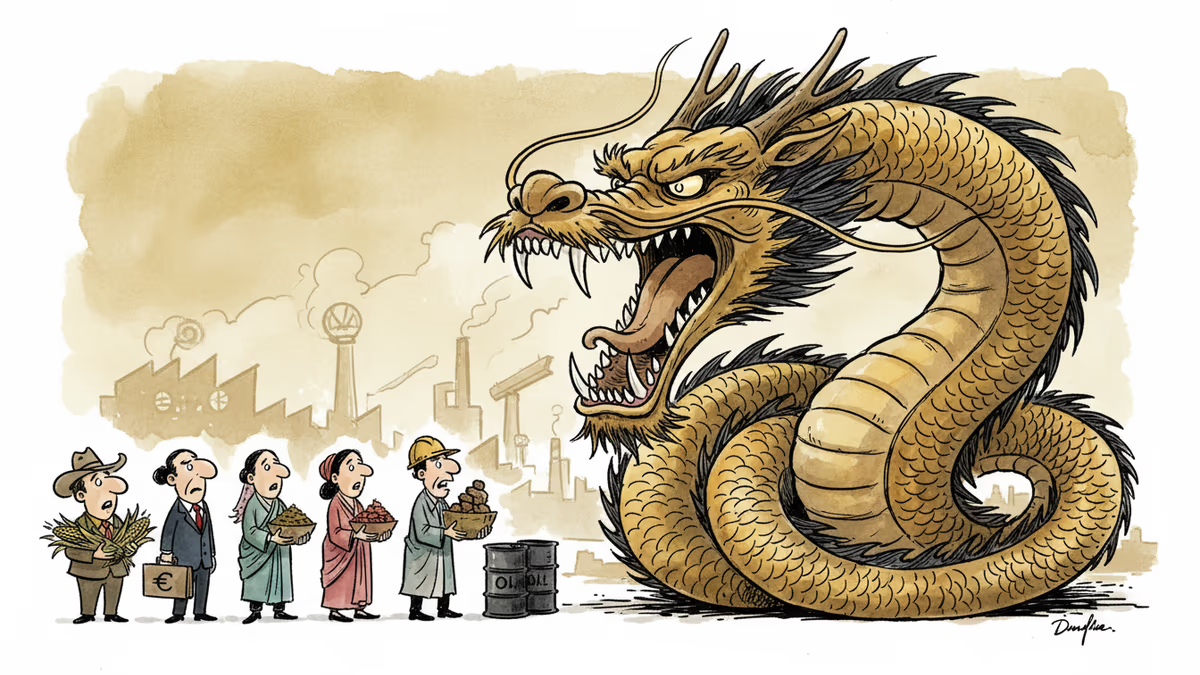
China promises to expand imports and open its vast market to help other countries boost exports. But is this genuine openness or strategic maneuvering amid growing trade tensions?
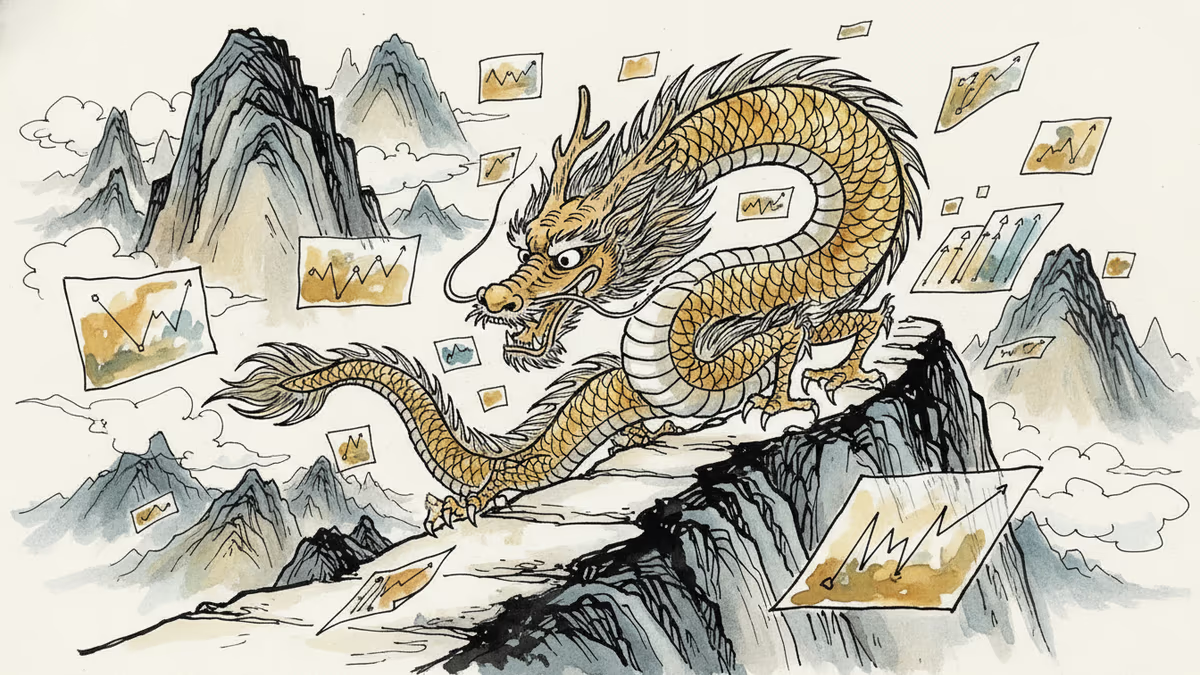
China announces 4.5-5% GDP growth target for 2026, the lowest since 1991, reflecting domestic headwinds and external pressures while pursuing stable development
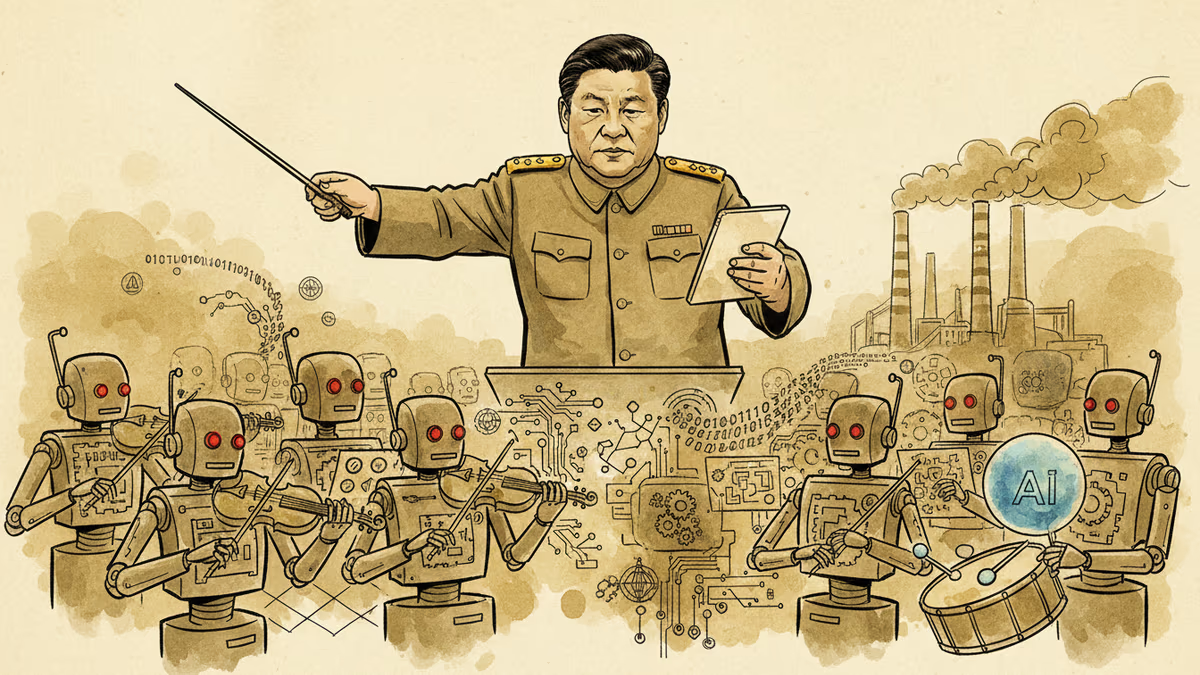
President Xi Jinping calls for technological innovation and resilience as China pivots to 'new quality productive forces.' What this means for global markets and competition.
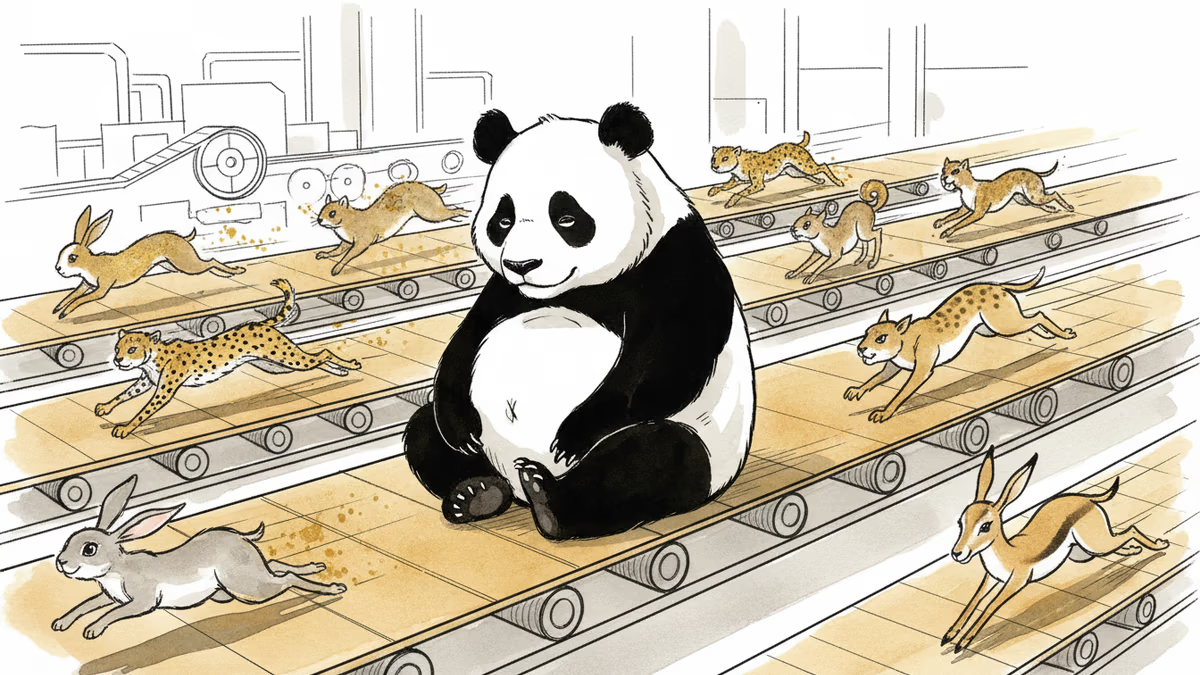
China announced a 4.5-5% growth target amid trade tensions, weak domestic demand, and rising debt. What does this conservative outlook mean for the global economy?
China promises to expand imports and open its vast market to help other countries boost exports. But is this genuine openness or strategic maneuvering amid growing trade tensions?
China announces 4.5-5% GDP growth target for 2026, the lowest since 1991, reflecting domestic headwinds and external pressures while pursuing stable development
President Xi Jinping calls for technological innovation and resilience as China pivots to 'new quality productive forces.' What this means for global markets and competition.
China announced a 4.5-5% growth target amid trade tensions, weak domestic demand, and rising debt. What does this conservative outlook mean for the global economy?
Thoughts
Share your thoughts on this article
Sign in to join the conversation