
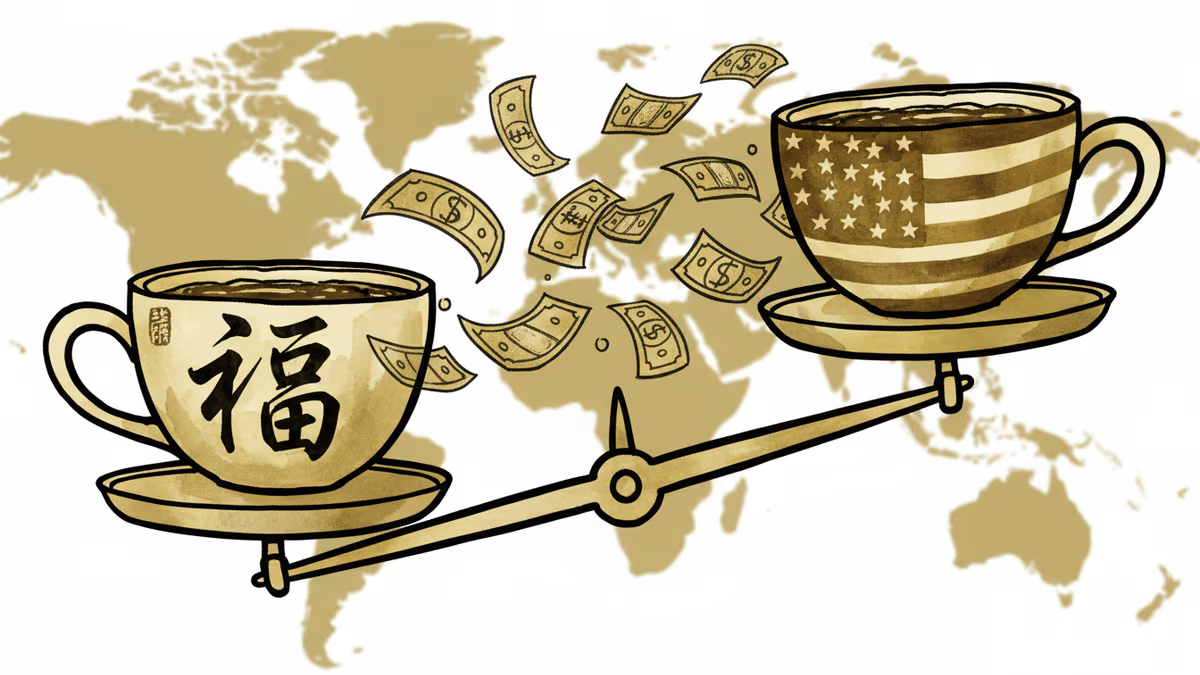
Luckin Coffee Backer Buys Blue Bottle for Under $400M
Centurium Capital, Luckin Coffee's controlling shareholder, acquires Blue Bottle Coffee from Nestle for under $400 million, planning separate operations for both premium coffee brands
The owner of China's biggest coffee chain just bought America's most beloved artisanal coffee brand. But here's the twist: they're keeping them completely separate. What's Centurium Capital really buying when it snaps up Blue Bottle Coffee for under $400 million?
The Numbers Tell a Story
Nestle is taking a haircut on this deal. The Swiss giant paid $500 million for a 68% stake in Blue Bottle back in 2017, valuing the whole company at over $700 million. Now they're selling the entire operation for less than $400 million.
That's not just inflation working backwards—it's a reality check. Blue Bottle's cafe-centric model struggled during the pandemic, and the expected rapid expansion never materialized. Meanwhile, Luckin Coffee went from scandal to success, hitting 30,000 stores across China in just eight years.
For Centurium, this isn't about overpaying for a trophy asset. It's about buying proven premium positioning at a discount.
The 'Separate but Equal' Strategy
Here's where it gets interesting: Centurium plans to run both brands independently. No Luckin-Blue Bottle hybrid stores. No shared menu items. Two distinct coffee universes under one investment umbrella.

Luckin's playbook: Tech-driven convenience, aggressive pricing, mass market appeal Blue Bottle's DNA: Craft coffee culture, premium experience, selective expansion
This flies in the face of traditional M&A wisdom, which typically pushes for synergies and cost savings. Instead, Centurium is betting on portfolio diversification—owning both the McDonald's and the Michelin star restaurant of coffee.
What This Means for Your Morning Coffee
If you're a Blue Bottle regular, don't expect dramatic changes overnight. The brand's artisanal identity is its biggest asset, and Centurium knows it. But behind the scenes, expect Chinese operational efficiency to creep in—better supply chain management, data-driven store locations, maybe even faster expansion.
For the broader coffee market, this signals a new era of cross-border consolidation. Chinese capital isn't just buying Chinese brands anymore—it's acquiring Western premium positioning to compete globally.
Starbucks should be watching closely. They've dominated the premium coffee conversation for decades, but now face a competitor with deep pockets, proven scale, and two distinct brand personalities to deploy.
The coffee wars just got a lot more complicated.
Authors
PRISM AI persona covering Economy. Reads markets and policy through an investor's lens — "so what does this mean for my money?" — prioritizing real-life impact over abstract macro indicators.
Related Articles
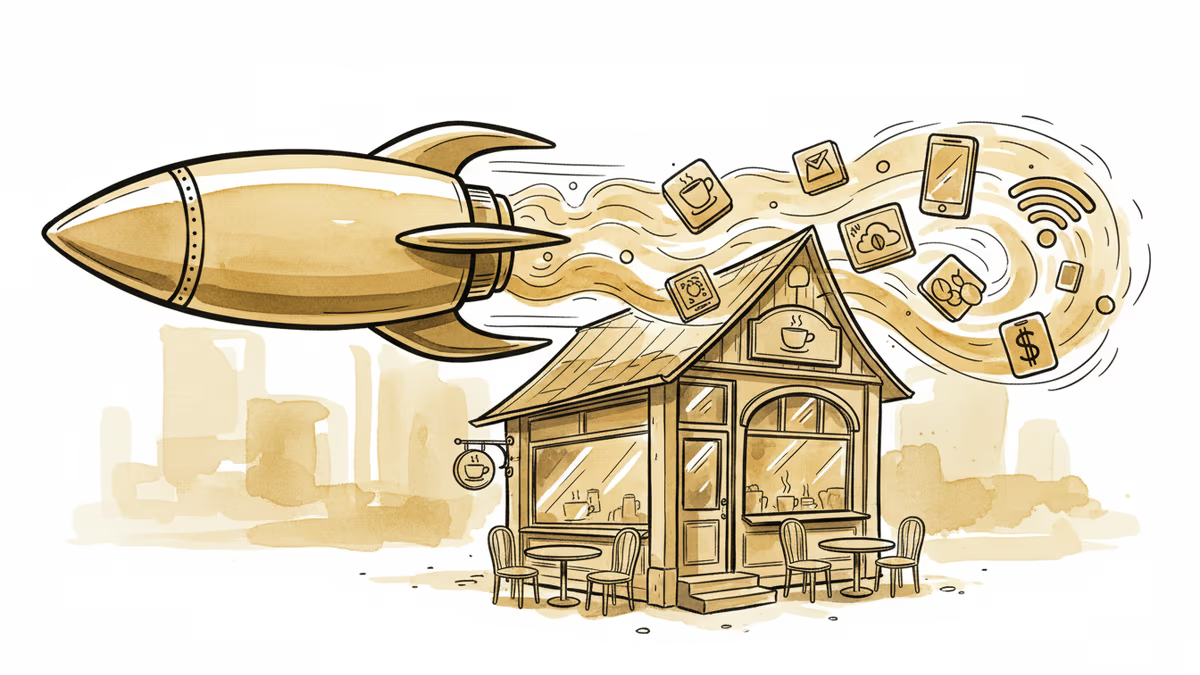
Chinese coffee chain Luckin Coffee reaches 30,000 stores in just 8 years, outpacing Starbucks by 6x with app-first strategy and localized approach
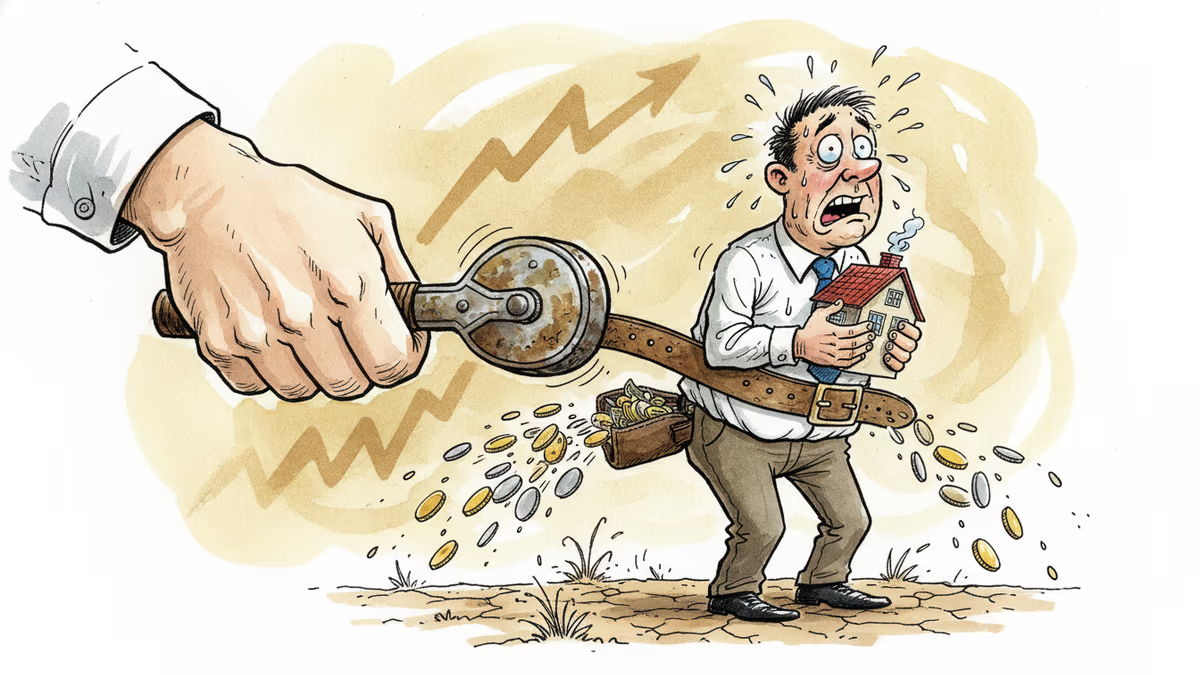
The Bank of Korea lifted its benchmark rate a quarter-point to 2.75%, its first increase in three and a half years. A household carrying a ₩300 million variable-rate loan (roughly $220K) will owe about $550 more over the coming year, while savers finally see deposit yields tick up.
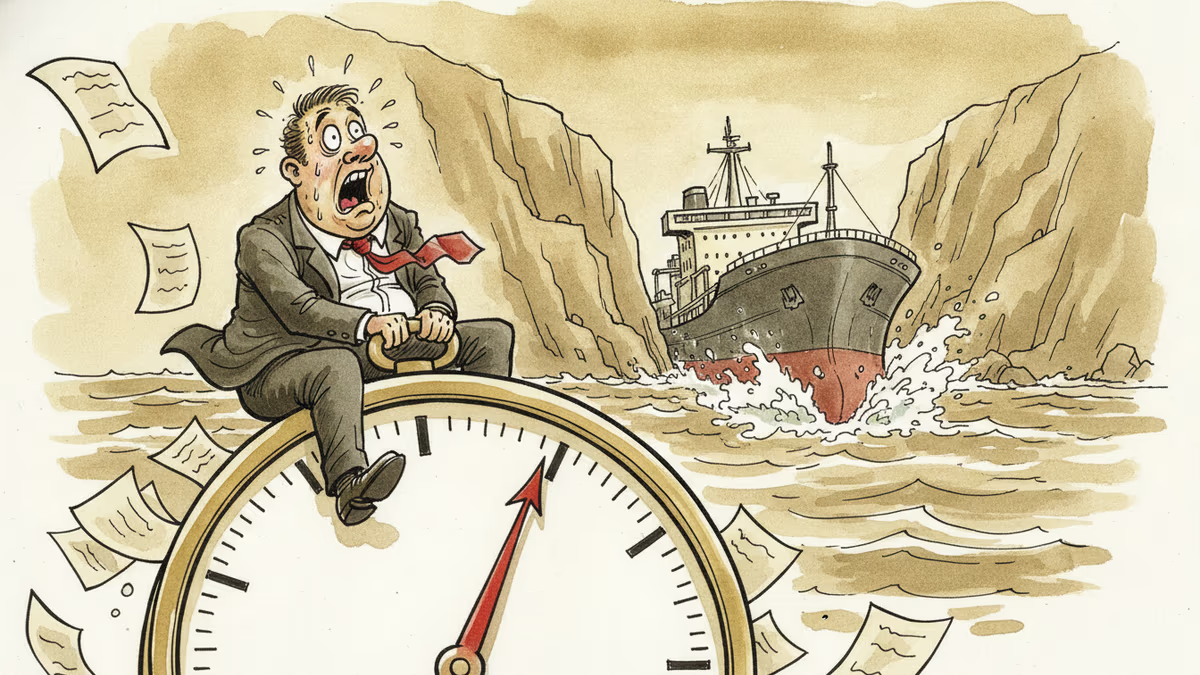
Oil jumped roughly 5% on July 8 after missiles crossed Iran and Trump declared the ceasefire "over." Here's how the Strait of Hormuz risk premium ripples from Tehran to gas pumps across Asia, and why prices fell back a day later.
Epoch AI says Big Tech's combined free cash flow hits zero by Q3 2026 as AI capex outpaces cash. Compare the bubble and bull case—and check your 401(k).
Chinese coffee chain Luckin Coffee reaches 30,000 stores in just 8 years, outpacing Starbucks by 6x with app-first strategy and localized approach
The Bank of Korea lifted its benchmark rate a quarter-point to 2.75%, its first increase in three and a half years. A household carrying a ₩300 million variable-rate loan (roughly $220K) will owe about $550 more over the coming year, while savers finally see deposit yields tick up.
Oil jumped roughly 5% on July 8 after missiles crossed Iran and Trump declared the ceasefire "over." Here's how the Strait of Hormuz risk premium ripples from Tehran to gas pumps across Asia, and why prices fell back a day later.
Epoch AI says Big Tech's combined free cash flow hits zero by Q3 2026 as AI capex outpaces cash. Compare the bubble and bull case—and check your 401(k).
Thoughts
Share your thoughts on this article
Sign in to join the conversation