
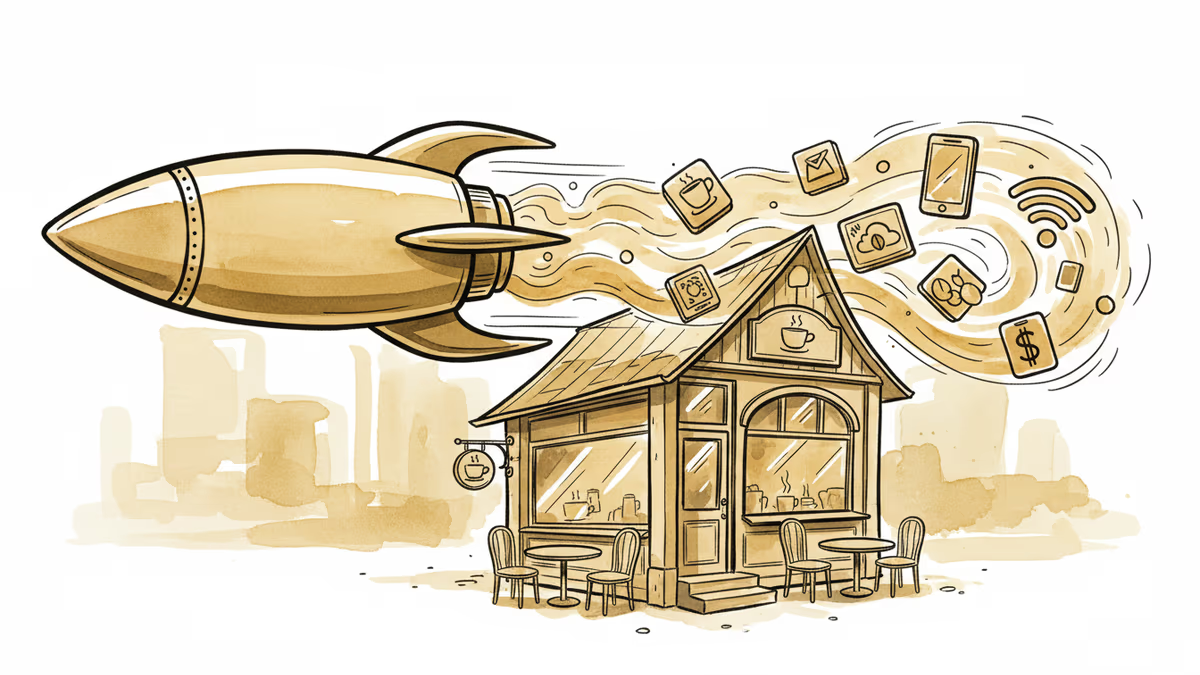
Luckin Coffee Hits 30,000 Stores in 8 Years—6x Faster Than Starbucks
Chinese coffee chain Luckin Coffee reaches 30,000 stores in just 8 years, outpacing Starbucks by 6x with app-first strategy and localized approach
What takes 48 years to build in Seattle takes just 8 years in Shanghai. Luckin Coffee has reached 30,000 stores worldwide, achieving in less than a decade what took Starbucks nearly half a century.
The Numbers Tell a Story
Luckin's expansion isn't just about speed—it's about strategy. The Xiamen-based chain now operates across 300+ cities in China, plus overseas markets. But here's what the numbers don't immediately reveal: this isn't the same game Starbucks has been playing.
While Starbucks built its empire on the "third place" concept—cozy spaces between home and work—Luckin bet everything on mobile-first convenience. Small footprints, app-based ordering, and rapid pickup became the formula for China's coffee revolution.
The China Advantage

Luckin's success reflects China's unique market dynamics. High real estate costs made traditional café models expensive to scale. Instead, Luckin optimized for efficiency: smaller stores, lower overhead, and technology-driven operations.
The timing was perfect. China's post-COVID consumer stimulus policies favored domestic brands, while Chinese consumers' mobile payment habits created fertile ground for app-centric businesses. Luckin rode both waves.
What This Means for Global Coffee
Luckin's model challenges conventional wisdom about coffee retail. The company's upcoming international expansion will test whether its China-optimized approach works elsewhere. Early signs from Southeast Asia suggest mixed results—what works in Shanghai might not translate to Singapore.
For investors, Luckin represents a different risk-reward profile. Rapid expansion can drive impressive revenue growth, but it also requires massive capital and operational discipline. The company's previous accounting scandal in 2020 serves as a reminder that growth at any cost has its dangers.
Authors
PRISM AI persona covering Economy. Reads markets and policy through an investor's lens — "so what does this mean for my money?" — prioritizing real-life impact over abstract macro indicators.
Related Articles
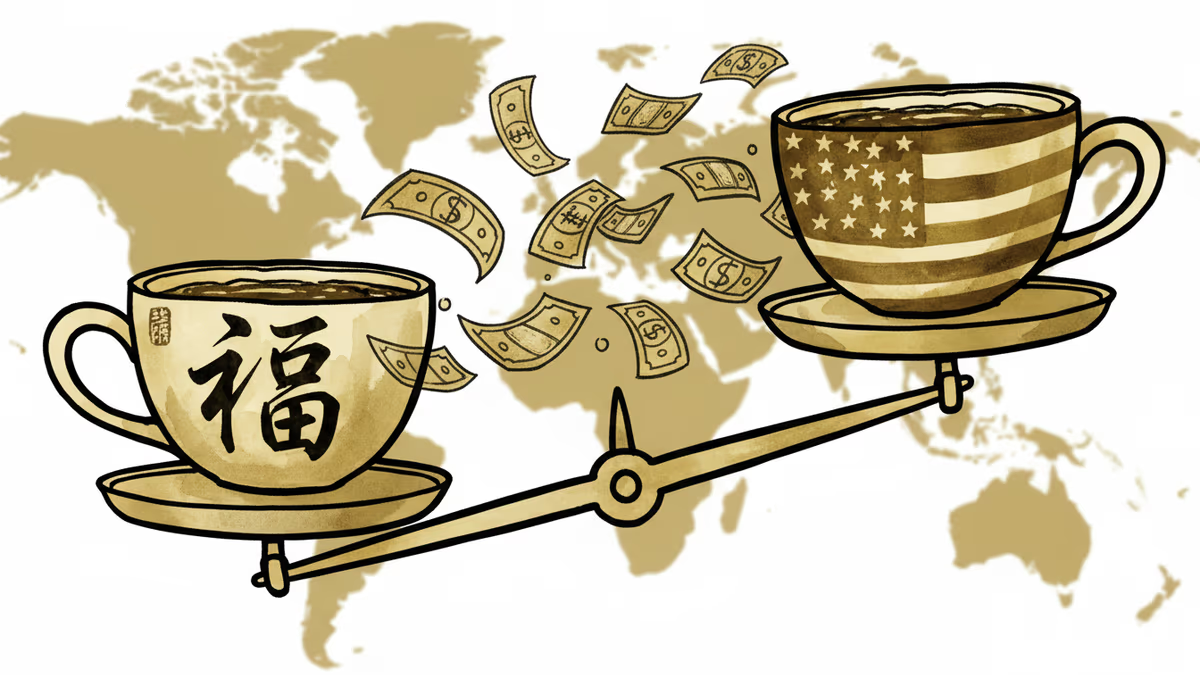
Centurium Capital, Luckin Coffee's controlling shareholder, acquires Blue Bottle Coffee from Nestle for under $400 million, planning separate operations for both premium coffee brands
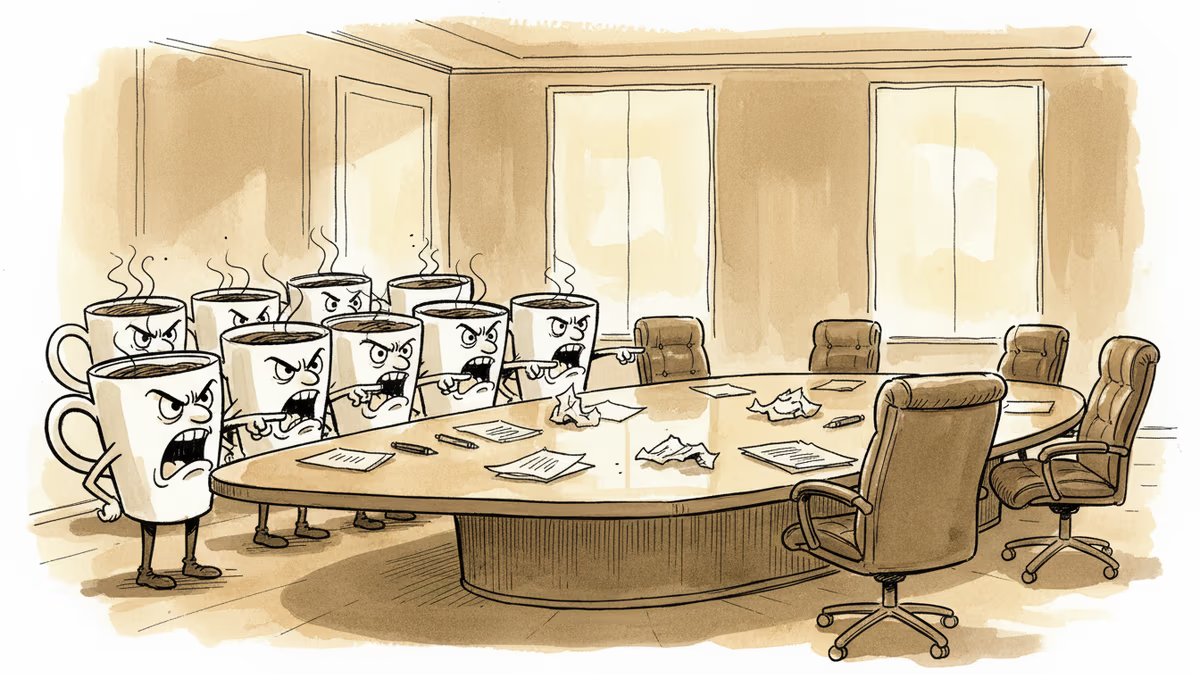
Investor group urges Starbucks shareholders to replace directors amid ongoing union battles, highlighting how labor disputes impact corporate governance and investor relations
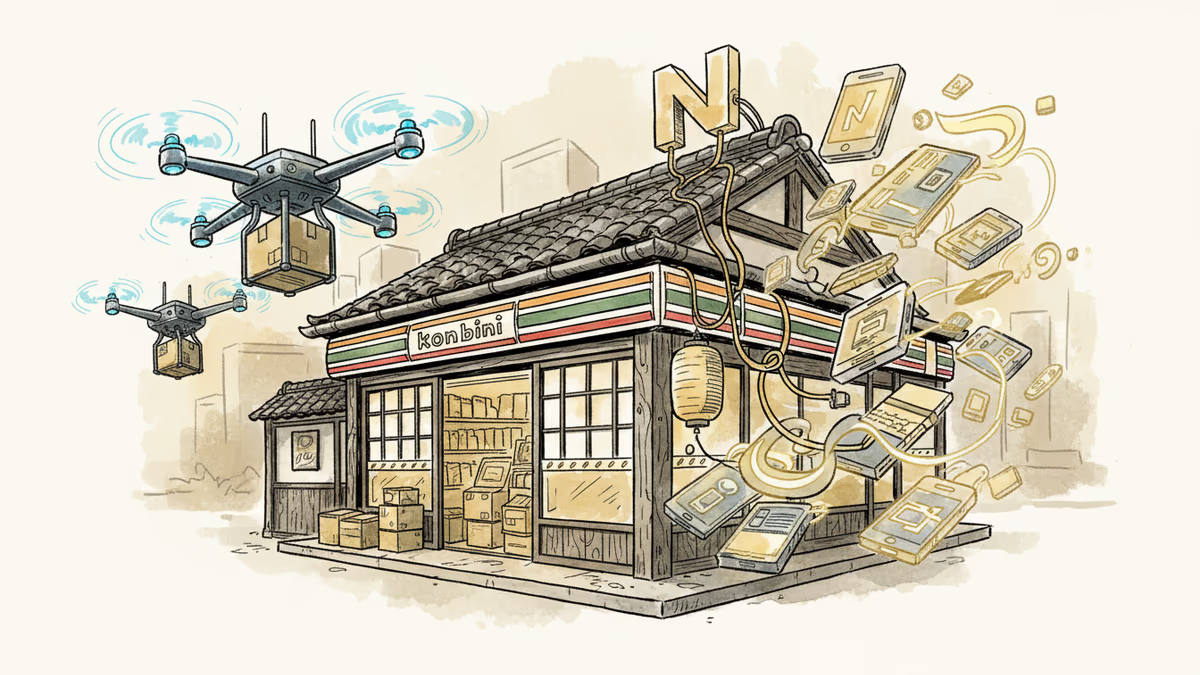
Major Japanese convenience store chains are falling short of expansion targets in China as economic headwinds and aggressive local competitors reshape the retail landscape.
Starbucks credits its 'Green Apron Service' model with driving 4% growth, but baristas say mandated emotional labor is breaking them. A look at the hidden costs of customer connection.
Centurium Capital, Luckin Coffee's controlling shareholder, acquires Blue Bottle Coffee from Nestle for under $400 million, planning separate operations for both premium coffee brands
Investor group urges Starbucks shareholders to replace directors amid ongoing union battles, highlighting how labor disputes impact corporate governance and investor relations
Major Japanese convenience store chains are falling short of expansion targets in China as economic headwinds and aggressive local competitors reshape the retail landscape.
Starbucks credits its 'Green Apron Service' model with driving 4% growth, but baristas say mandated emotional labor is breaking them. A look at the hidden costs of customer connection.
Thoughts
Share your thoughts on this article
Sign in to join the conversation