
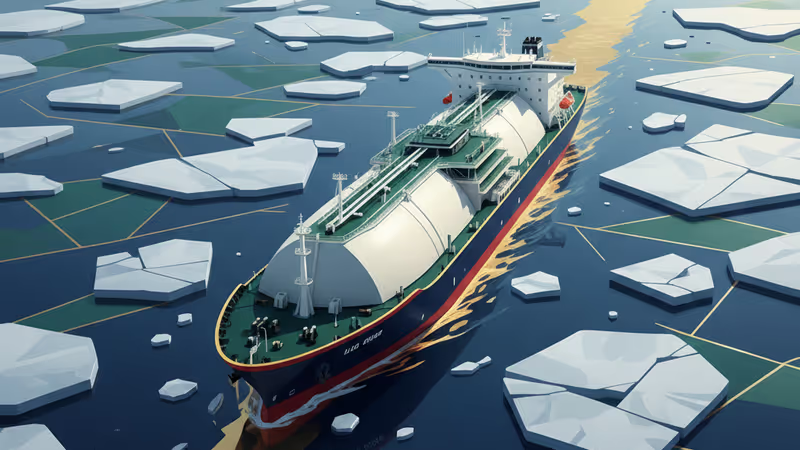
Sanctioned Russian LNG Plant Makes First Shipment, Testing U.S. Resolve
A Chinese-owned tanker, the Kunpeng, has loaded the first LNG cargo from Russia's sanctioned Arctic LNG 2 plant, testing the effectiveness of U.S. sanctions and potentially impacting global energy markets.
A Chinese-owned tanker has loaded the first-ever cargo from Russia's sanctioned Arctic LNG 2 project, a direct challenge to U.S. restrictions designed to halt the massive facility. According to a Reuters report citing LSEG shipping data, the ice-class tanker Kunpeng began loading at the Siberian terminal on December 22nd, signaling that Moscow may have found a workaround to get its gas to market.
Why this matters: The Arctic LNG 2 project, led by Russian energy giant Novatek, is a beast. With a potential output of <mark>19.8 million metric tons per year</mark>, its full-scale operation could significantly weigh on global LNG prices. The U.S. sanctioned the project and specific vessels to choke off Russia's energy revenue following the invasion of Ukraine. This shipment is the first major test of whether those sanctions have teeth.
This isn't just a gas deal; it's a geopolitical probe. The shipment represents a concerted effort by Russia and China to build a parallel logistics and insurance ecosystem, operating outside the sphere of Western financial influence.
Still, it's far from a clear victory for the Kremlin. A single tanker can't handle the project's massive planned output. Novatek's original plan to build its own fleet of specialized ice-breaking LNG carriers has been severely hampered by sanctions blocking access to key technology. To succeed, Russia will need a steady stream of non-Western ships, financing, and insurance—and the Kunpeng's voyage is a critical proof of concept.
For investors, this muddies the waters. If Russia successfully establishes a sanctions-proof shipping route, the resulting increase in global supply could pressure long-term LNG prices, affecting the profitability of U.S. and Qatari producers. However, the risk for any entity involved in this trade is immense. The U.S. could impose secondary sanctions on shippers, insurers, or buyers, creating extreme volatility. The key variable for the energy market moving forward will be this high-stakes cat-and-mouse game between U.S. sanctions and Russian circumvention.
This content is AI-generated based on source articles. While we strive for accuracy, errors may occur. We recommend verifying with the original source.
Related Articles
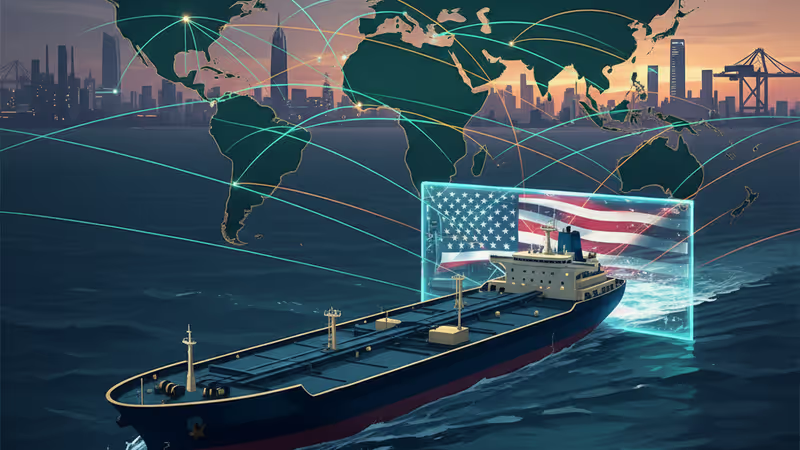
Iran's crude oil exports have climbed 5% in 2025 to a 7-year high, driven by massive purchases from China that defy U.S. sanctions. What does this mean for oil prices and geopolitics?

Japan announces plans for a deep-sea rare earth processing facility by 2027 on Minamitorishima island, aiming to tap vast reserves 6,000 meters deep to reduce its critical mineral reliance on China.
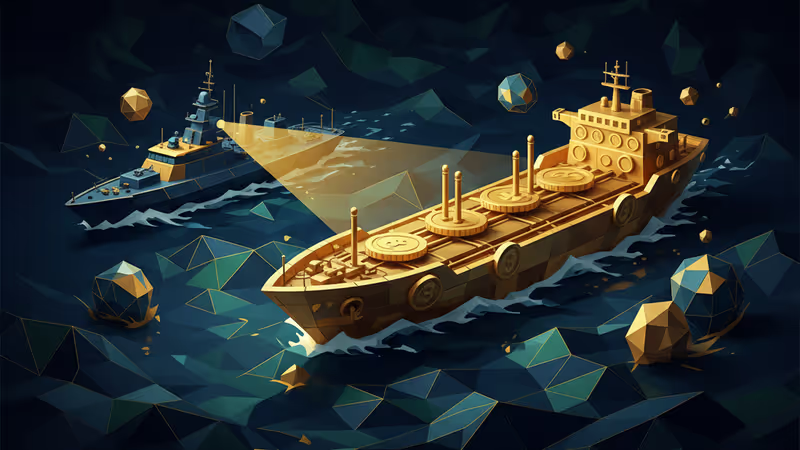
Oil prices climbed after the U.S. intercepted a tanker near Venezuela, fueling concerns over supply disruptions and geopolitical instability. We analyze the market impact on your portfolio.
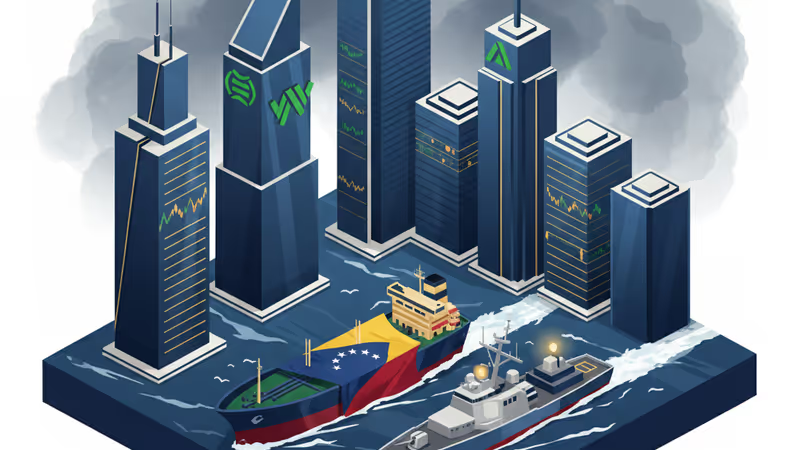
Oil prices climbed over 2% after the US seized a Venezuelan oil tanker, fueling fears of supply disruptions and escalating geopolitical tensions. WTI and Brent benchmarks rose.