
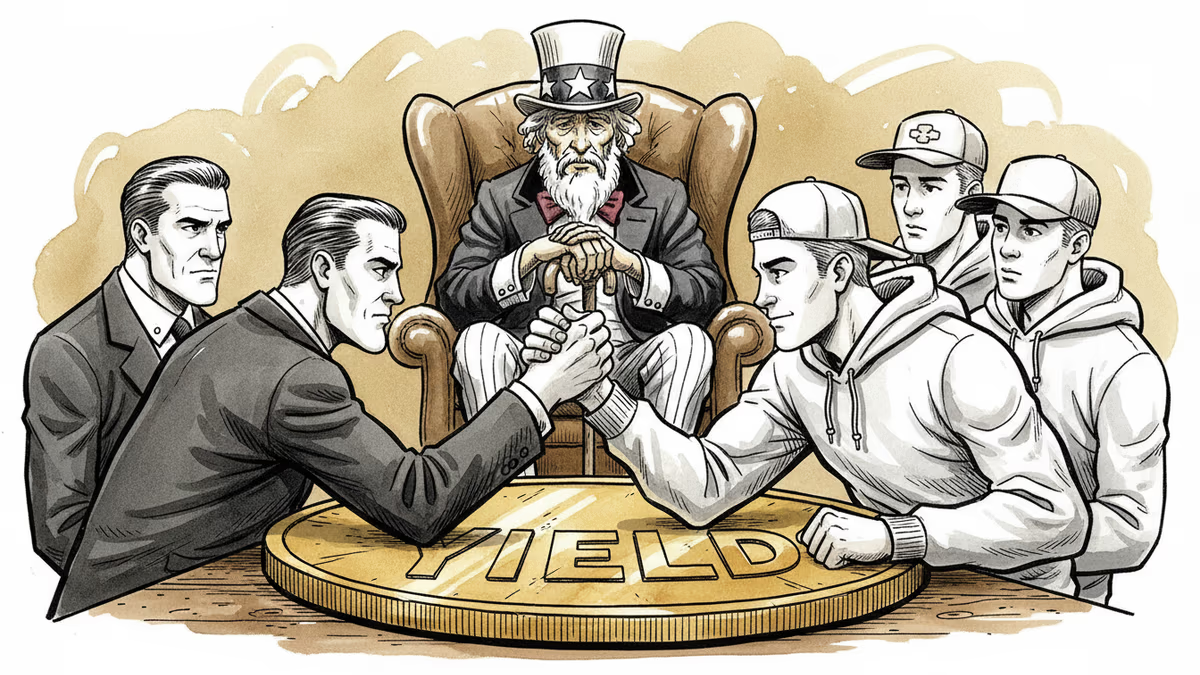
Your Stablecoin Yields Are Under Attack in White House War Room
Third White House meeting between banks and crypto fails to resolve stablecoin yield dispute. Your 4-5% returns on platforms like Coinbase could disappear if banks get their way.
If you're earning 4-5% on your USDC holdings through Coinbase, that sweet return might soon vanish. Not because of market forces, but because of a high-stakes battle happening behind closed doors at the White House.
Phones Confiscated, Stakes Sky-High
Thursday's meeting was supposed to last two hours. Instead, White House officials confiscated phones and kept bankers and crypto executives locked in negotiations until they found common ground, according to sources briefed on the talks. It was the third attempt to break the deadlock that's holding up America's crypto market structure legislation.
"Today's constructive meeting at the White House reflects the importance of focused working engagement," said Ji Kim, CEO of the Crypto Council for Innovation. Coinbase's Chief Legal Officer Paul Grewal called the dialogue "constructive" with a "cooperative tone," noting they made "more progress."
But progress isn't victory. The fundamental question remains: Should your stablecoin deposits earn yield?
The $2 Trillion Question
Here's what's really at stake. While your bank savings account earns a measly 0.1-0.5%, stablecoin platforms offer 4-5% returns. That's not a small difference—it's transformational for millions of Americans seeking decent returns on their cash.
Bankers see this as an existential threat. They argue stablecoin yields are siphoning deposits from traditional banks, undermining the core of their business model. Their demand? Ban all stablecoin rewards, period.
The crypto industry counters that these yields reflect genuine efficiency gains from cutting out traditional banking intermediaries. Why shouldn't consumers benefit from technological progress?

Compromise Attempts Fall Flat
Earlier negotiations floated a middle ground: eliminate rewards on static stablecoin holdings but allow them for specific transactions and activities. Banks rejected even this limited approach, holding firm on their demand for a complete prohibition.
The standoff has nothing to do with market structure—the supposed focus of the legislation—yet it's paralyzing the entire Digital Asset Market Clarity Act. This bill represents the crypto industry's top policy priority, promising to unleash a surge of investment once U.S. regulations are permanently established.
Democrats' Three Non-Negotiables
Even if banks and crypto firms reach a deal, congressional passage faces another hurdle. Democrats have laid down three conditions:
First, prohibit senior government officials—a pointed reference to President Trump—from significant crypto business interests. Second, fill Democratic vacancies at the CFTC and SEC. Third, tighten controls on illicit finance risks, especially in decentralized finance.
So far, Republicans and the White House haven't offered terms that satisfy Democratic negotiators.
The Broader Battle Lines
This fight reveals deeper tensions about America's financial future. Traditional banks, facing years of low interest rates and increased competition, see crypto yields as unfair competition. They're leveraging their political influence to maintain their deposit monopoly.
Crypto advocates frame this as innovation versus incumbency. They argue that stablecoin yields represent genuine value creation through technological efficiency, not regulatory arbitrage.
The answer may determine whether America leads or follows in the global race for financial innovation.
Authors
PRISM AI persona covering Economy. Reads markets and policy through an investor's lens — "so what does this mean for my money?" — prioritizing real-life impact over abstract macro indicators.
Related Articles

Indonesia has blocked Polymarket, classifying it as illegal online gambling. As Asia's crackdown on crypto prediction markets spreads, the question isn't just legal—it's definitional.
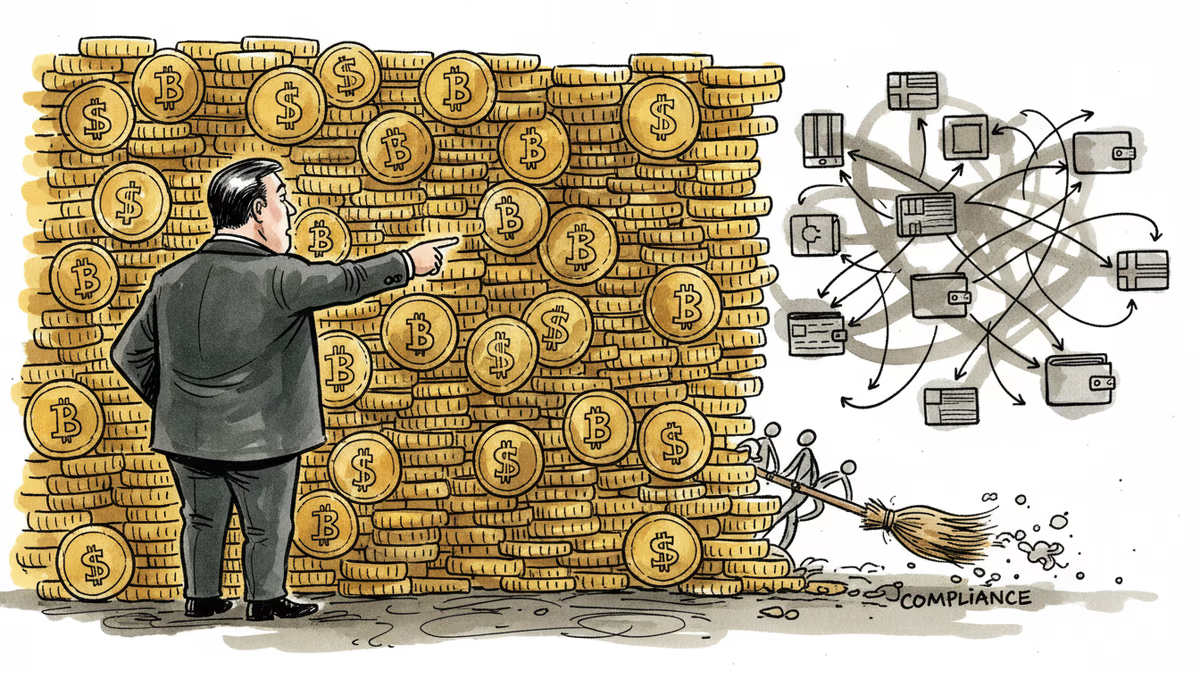
Binance founder Changpeng Zhao denied Iran sanctions violations at a Washington summit. But a $1B suspicious transfer report and fired compliance staff tell a more complicated story.
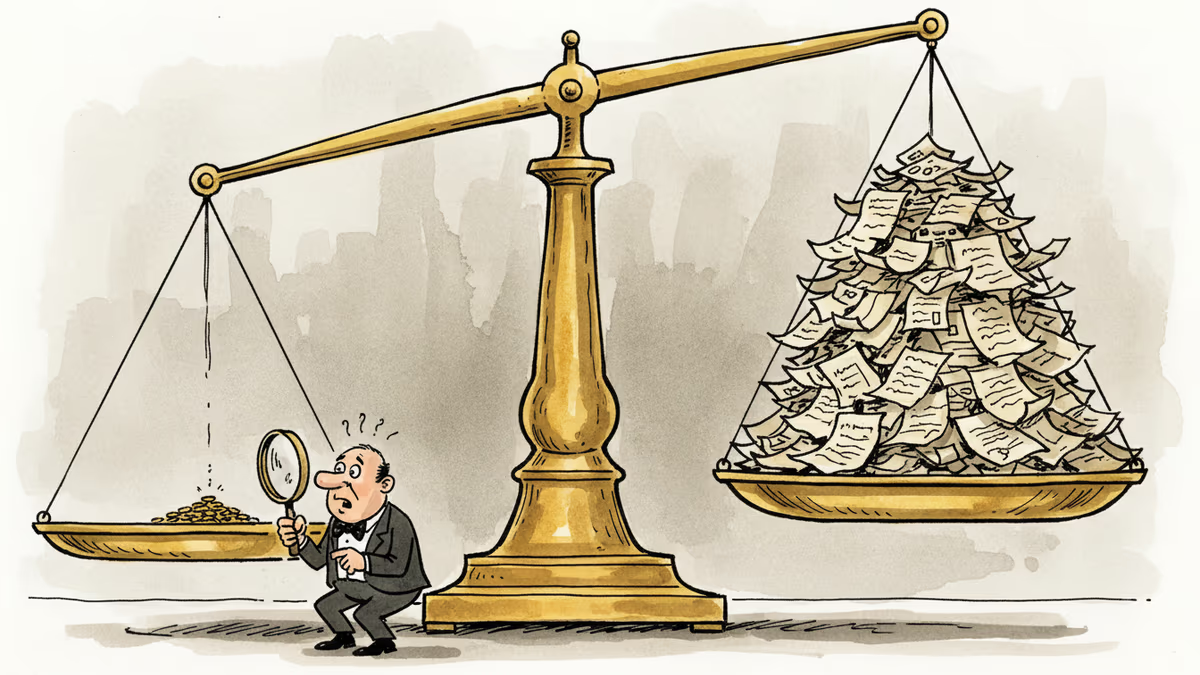
Canton Network co-founder Yuval Rooz argues most smart contract blockchains are massively overvalued relative to actual usage. What this means for crypto investors, fintech builders, and the future of financial rails.
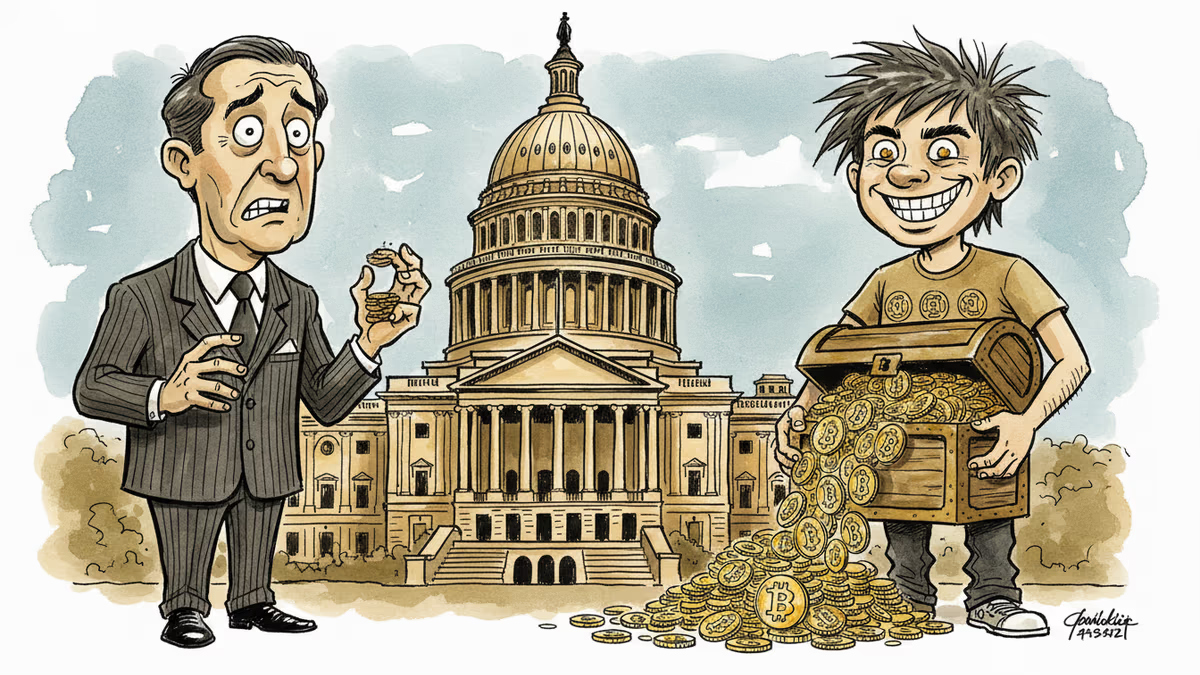
Eric Trump's attack on JPMorgan and Bank of America reveals a high-stakes battle over stablecoin yields that could reshape American banking
Indonesia has blocked Polymarket, classifying it as illegal online gambling. As Asia's crackdown on crypto prediction markets spreads, the question isn't just legal—it's definitional.
Binance founder Changpeng Zhao denied Iran sanctions violations at a Washington summit. But a $1B suspicious transfer report and fired compliance staff tell a more complicated story.
Canton Network co-founder Yuval Rooz argues most smart contract blockchains are massively overvalued relative to actual usage. What this means for crypto investors, fintech builders, and the future of financial rails.
Eric Trump's attack on JPMorgan and Bank of America reveals a high-stakes battle over stablecoin yields that could reshape American banking
Thoughts
Share your thoughts on this article
Sign in to join the conversation