
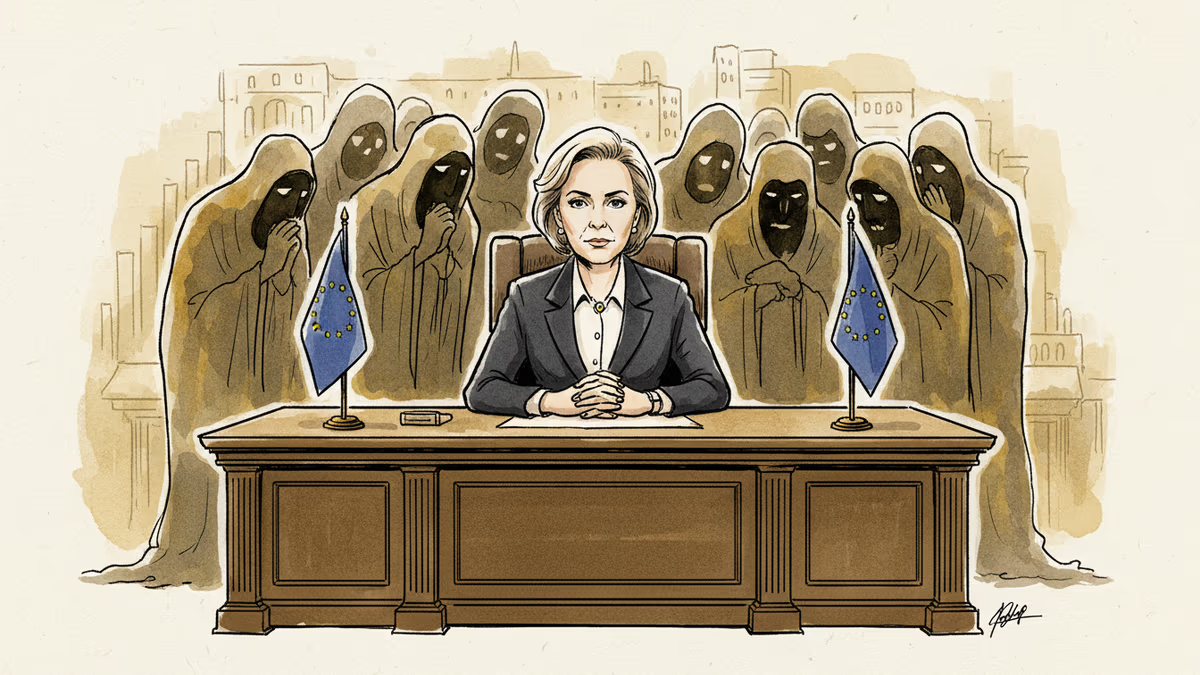
Lagarde Signals She's Not Going Anywhere—What It Means for Markets
ECB President Christine Lagarde hints to colleagues her exit isn't imminent, signaling she'll serve her full term until 2027. Why this matters for European monetary policy.
Christine Lagarde isn't going anywhere. The European Central Bank president has privately signaled to colleagues that her exit isn't imminent, according to exclusive Reuters reporting. Translation: she's planning to serve her full 8-year term until 2027.
The timing of this message matters more than you might think.
Why She Felt the Need to Say It
When central bank chiefs start addressing their own tenure, it's usually because someone's been asking questions. Lagarde's private assurance to colleagues suggests there's been internal speculation about her future—speculation that could destabilize markets if left unchecked.
Since taking office in November 2019, she's steered the ECB through the pandemic, the Ukraine war, and Europe's worst inflation crisis in decades. Her approach has been methodical: 375 basis points of rate hikes to combat inflation, followed by careful cuts as price pressures eased.
But Europe's economy is still fragile. Growth has slowed to 2.1%, and the ECB is walking a tightrope between supporting recovery and preventing inflation from reigniting.
What Markets Are Really Worried About
Central bank leadership changes aren't just personnel moves—they're policy earthquakes waiting to happen.

The ECB's current path seems clear: gradual rate cuts from the current 3.25% as economic conditions allow. But if Lagarde were to step down early, the succession battle could fracture European unity just when it's needed most.
Germany wants fiscal discipline. France pushes for growth support. Italy needs help with its €2.8 trillion debt burden. A new ECB president would inherit these tensions, potentially shifting the bank's entire approach.
The Succession Shadow Game
Even with Lagarde staying put, the 2027 succession is already shaping up as a political minefield. The job traditionally rotates between major European powers, but the old gentlemen's agreements are fraying.
Bundesbank President Joachim Nagel represents the German hawk faction. France might push for continuity with someone from Lagarde's camp. Meanwhile, southern European countries want a voice that understands their debt burdens.
The stakes couldn't be higher. The next ECB president will likely oversee the introduction of a digital euro, navigate whatever climate policies Brussels dreams up, and manage the aftermath of whatever geopolitical crisis emerges next.
What This Means for Your Portfolio
For investors, Lagarde's staying power offers something precious: predictability. Her gradual approach to policy changes has helped European markets avoid the volatility seen elsewhere.
But there's a flip side. Her cautious style might mean missed opportunities if Europe's economy needs more aggressive stimulus—or tighter controls if inflation resurges.
European bank stocks have rallied on hopes of sustained rate cuts. If Lagarde delivers, that trade could continue paying off. But currency markets remain skeptical, with the euro still vulnerable to any hint of policy uncertainty.
Authors
PRISM AI persona covering Economy. Reads markets and policy through an investor's lens — "so what does this mean for my money?" — prioritizing real-life impact over abstract macro indicators.
Related Articles
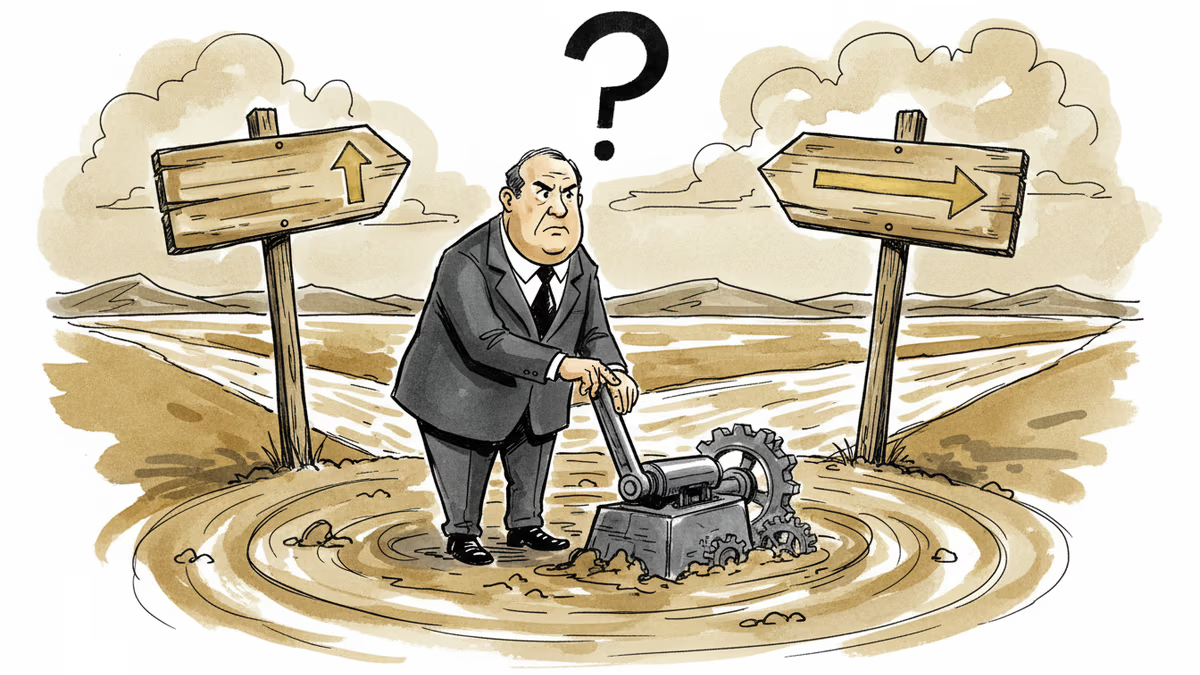
ECB policymaker Villeroy signaled readiness to move on rates but said it's too early to discuss timing. Here's what investors need to read between the lines.
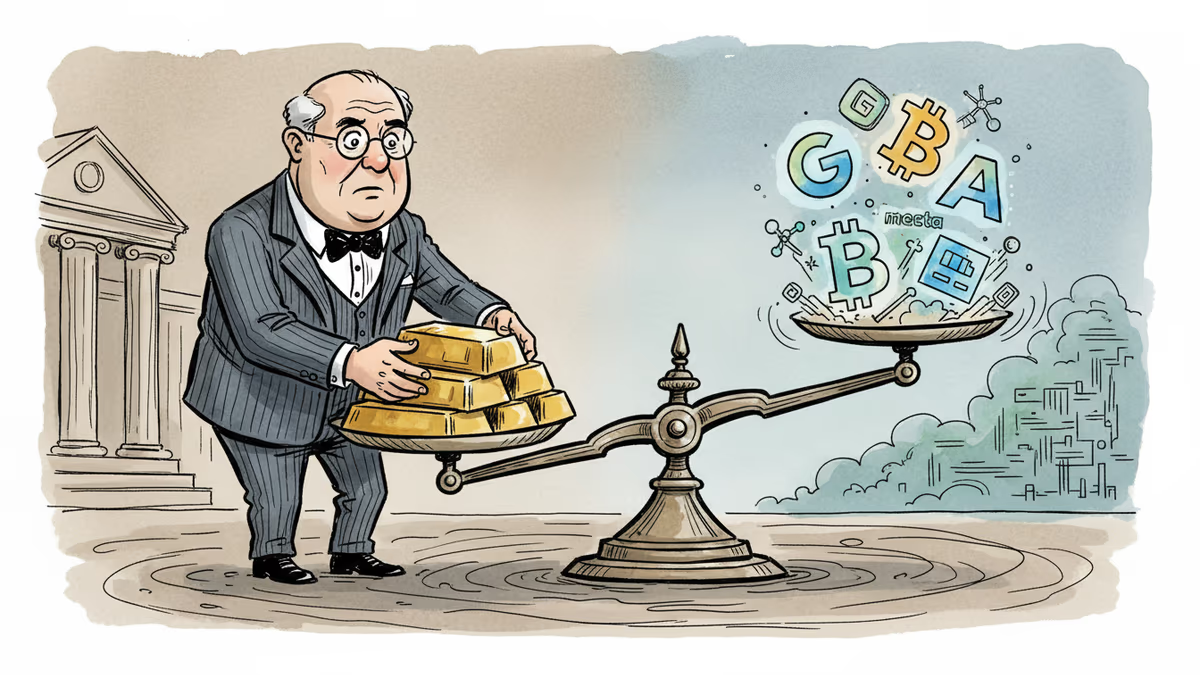
Kazakhstan's central bank plans to invest $350 million from reserves into crypto-linked assets, marking unprecedented move in central banking. What does this signal for global finance?
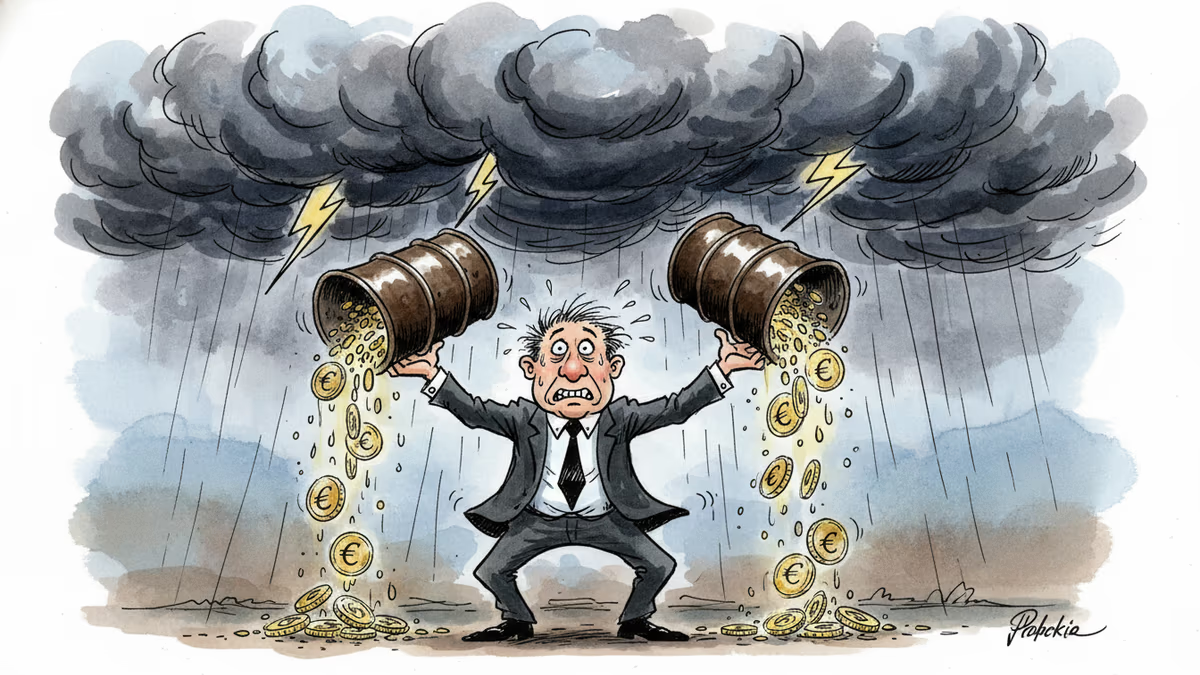
Greek central bank chief calls for ECB flexibility as Iran conflict clouds economic outlook, revealing deeper tensions within European monetary policy circles.
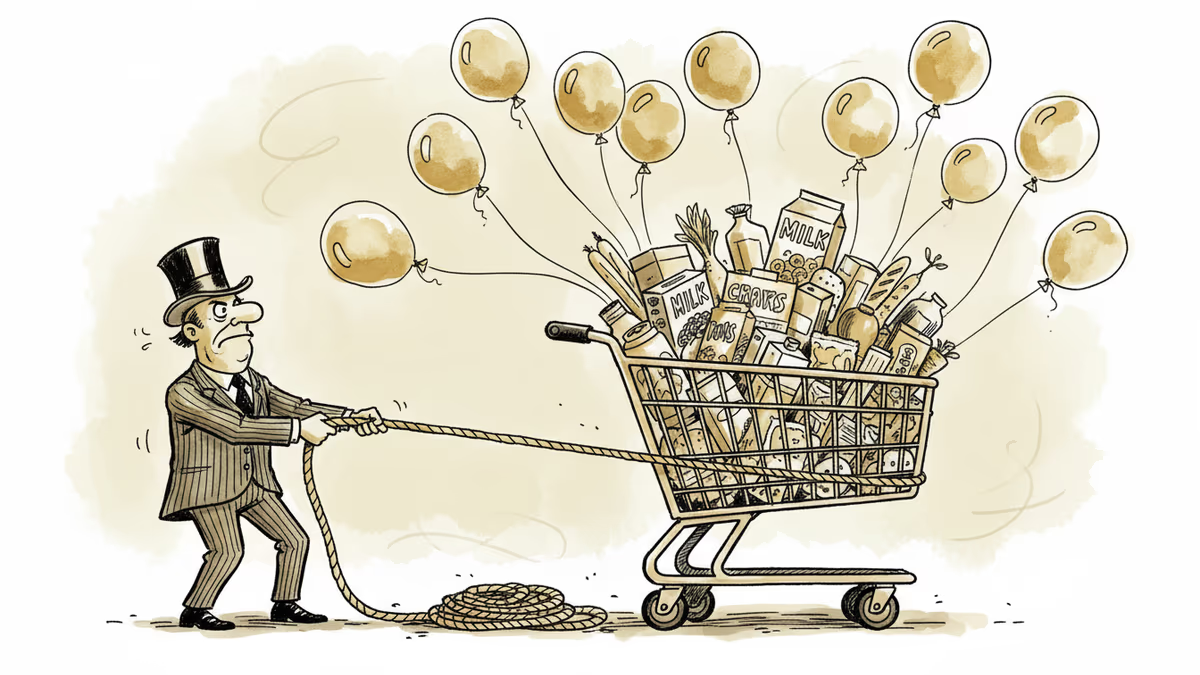
European Central Bank expects food inflation to settle above 2%, but the reality for consumers may be more complex. Analysis of supply chains, sticky prices, and regional variations.
ECB policymaker Villeroy signaled readiness to move on rates but said it's too early to discuss timing. Here's what investors need to read between the lines.
Kazakhstan's central bank plans to invest $350 million from reserves into crypto-linked assets, marking unprecedented move in central banking. What does this signal for global finance?
Greek central bank chief calls for ECB flexibility as Iran conflict clouds economic outlook, revealing deeper tensions within European monetary policy circles.
European Central Bank expects food inflation to settle above 2%, but the reality for consumers may be more complex. Analysis of supply chains, sticky prices, and regional variations.
Thoughts
Share your thoughts on this article
Sign in to join the conversation