

From Kumamoto to Hsinchu: 7 Graduates Move to Taiwan to Master Chip Tech as TSMC Boom Ignites
Seven Japanese high school graduates from Kumamoto have moved to Taiwan to study semiconductor technology, driven by TSMC's massive expansion in Japan.
The local arrival of a global tech giant has rerouted the lives of seven teenagers. As of December 27, 2025, Nikkei reported that seven high school graduates from Japan's Kumamoto prefecture have officially enrolled at Minghsin University of Science and Technology in Hsinchu, the beating heart of Taiwan's semiconductor industry.
The TSMC Effect on Talent
The TSMC foray into Japan's 'Silicon Island' has done more than just build factories; it's sparked a cross-border educational migration. These 7 students chose to head straight to the source to study semiconductor technology. It's a strategic move, considering the massive demand for skilled talent as TSMC considers building a more advanced second plant in Kumamoto to fuel the global AI boom.

Bridging Japan and Taiwan
This movement isn't without its challenges, as Kumamoto grapples with traffic congestion and the rapid pace of industrialization. However, the synergy between the two regions is growing. Schools in Taiwan are becoming talent incubators for Japan's semiconductor revival. The students' journey reflects a shift where young professionals are prioritizing direct proximity to tech hubs over traditional domestic education routes.
Authors
Related Articles
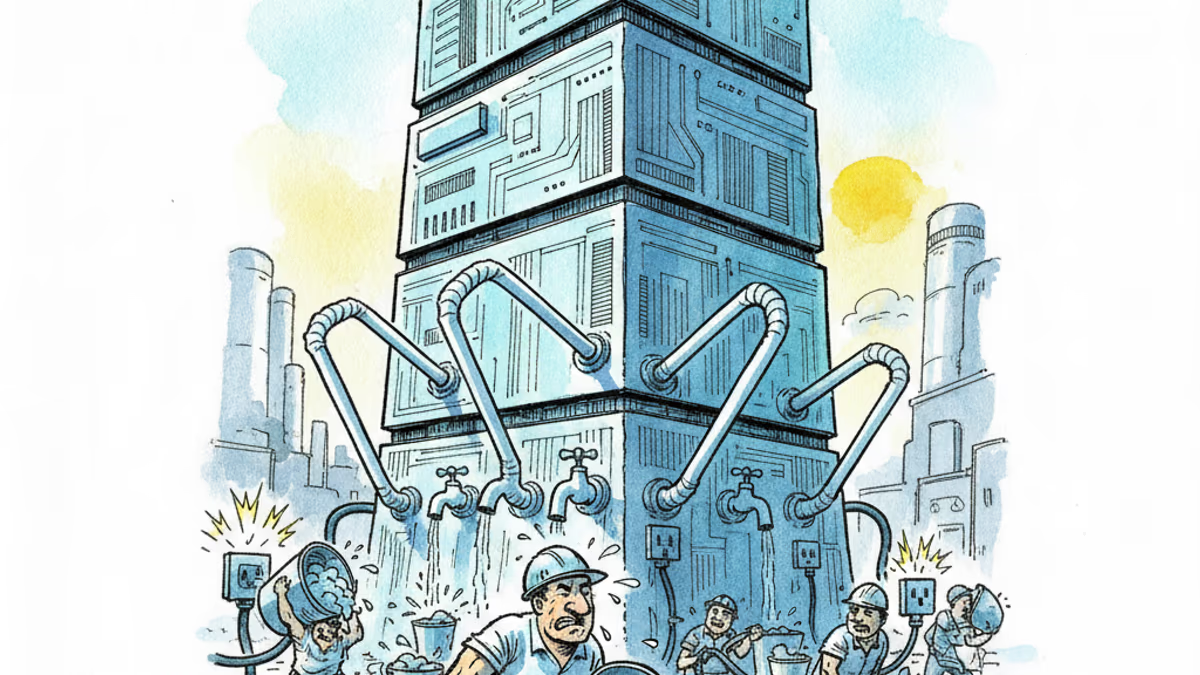
Samsung and SK unveiled a chip and AI investment package worth thousands of trillions of won on June 29. The headline number swings wildly by outlet, but the real contest isn't capital — it's water and power.

The US government invested $2 billion in quantum computing startups, but Congress says the money was never authorized for that purpose. The fate of IBM-backed Anderon hangs in the balance.

Beijing added an Nvidia gaming chip to its customs ban list the same week Jensen Huang visited China with Trump. Here's what it means for the chip war—and who actually wins.
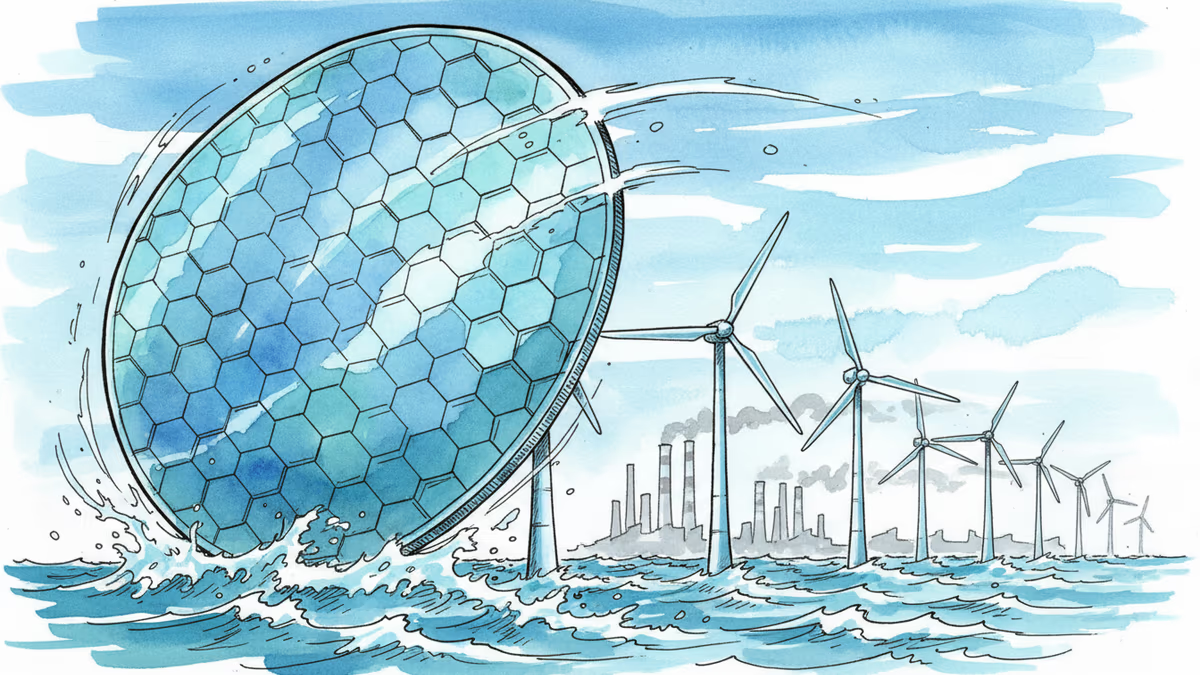
TSMC has signed a 30-year power purchase agreement for 100% of output from Taiwan's Hai Long offshore wind project. The 1GW deal reveals how chipmakers are quietly becoming energy companies.
Samsung and SK unveiled a chip and AI investment package worth thousands of trillions of won on June 29. The headline number swings wildly by outlet, but the real contest isn't capital — it's water and power.
The US government invested $2 billion in quantum computing startups, but Congress says the money was never authorized for that purpose. The fate of IBM-backed Anderon hangs in the balance.
Beijing added an Nvidia gaming chip to its customs ban list the same week Jensen Huang visited China with Trump. Here's what it means for the chip war—and who actually wins.
TSMC has signed a 30-year power purchase agreement for 100% of output from Taiwan's Hai Long offshore wind project. The 1GW deal reveals how chipmakers are quietly becoming energy companies.
Thoughts
Share your thoughts on this article
Sign in to join the conversation