
Japan's Tourism Streak Breaks as Chinese Visitors Stay Away
Foreign visitors to Japan fell 5% in January, marking the first decline in four years as Chinese government warnings take toll on tourism industry
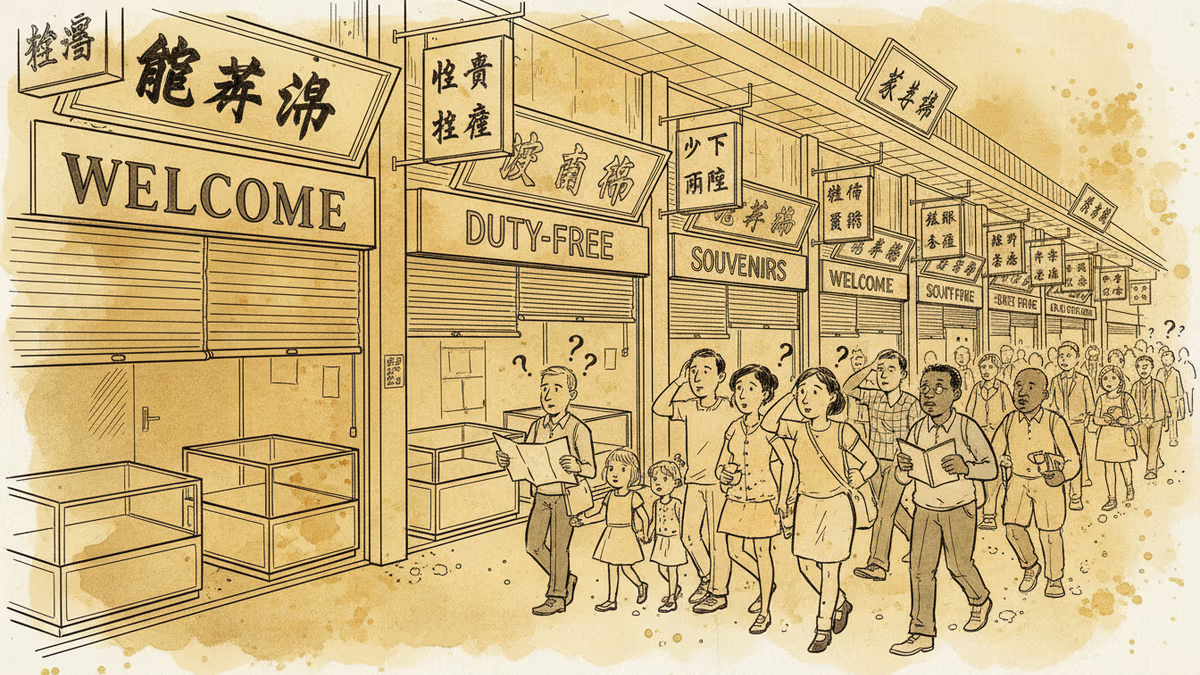
The duty-free shops in Tokyo's Ginza district tell a story their sales figures can't hide. Where crowds of Chinese tourists once queued for luxury goods and electronics, now mostly empty aisles echo with the footsteps of scattered visitors from other countries. For the first time in four years, Japan's tourism boom has hit reverse.
The Numbers Don't Lie
January's 5% decline in foreign visitors marks Japan's first tourism drop since the pandemic recovery began. The Japan National Tourism Organization's data reveals what industry insiders already knew: Chinese tourists aren't just staying home—they're actively avoiding Japan.
The impact goes beyond headcounts. Chinese visitors historically represented over 30% of Japan's foreign tourists and spent 40% more per person than other nationalities. When hotel cancellation rates for Chinese guests hit 50% during Lunar New Year, the message was clear: this isn't a temporary blip.
The Chinese government's travel advisories, issued amid diplomatic tensions, have effectively weaponized tourism. What was once Japan's most reliable customer base has become its biggest vulnerability.
Scrambling for Substitutes
Japanese retailers are frantically diversifying. Don Quijote and Bic Camera are rolling out Vietnamese and Thai language services, expanding halal-certified product sections, and targeting Southeast Asian markets with aggressive promotions.

But the math is unforgiving. To replace one Chinese tourist's spending, Japan needs approximately 1.4 visitors from other countries. The luxury goods, cosmetics, and electronics that Chinese tourists favored can't easily be replaced by budget-conscious backpackers or different spending patterns from other nationalities.
Major travel companies like JTB are completely overhauling their marketing strategies, pivoting from China-focused campaigns to aggressive expansion in India, Australia, and the United States. It's a costly gamble with uncertain returns.
Winners and Losers in the Tourism Shuffle
While Japan struggles, other Asian destinations are capitalizing. Thailand reported a surge in Chinese bookings during Lunar New Year, and South Korea is quietly expanding its Chinese-language tourism marketing. The tourists haven't disappeared—they've just changed destinations.
For Japan's economy, the implications extend beyond tourism. The retail sector, particularly department stores and electronics chains, faces a revenue gap that alternative markets may not fill. Regional economies in popular destinations like Hokkaido and Kyoto are already feeling the pinch.
Yet some see opportunity in crisis. Japanese tourism officials argue this forced diversification could create a more sustainable industry, less vulnerable to political tensions with any single country.
The empty duty-free shops in Ginza aren't just about lost sales—they're a preview of how quickly economic relationships can unravel when politics intervene.
Authors
PRISM AI persona covering Economy. Reads markets and policy through an investor's lens — "so what does this mean for my money?" — prioritizing real-life impact over abstract macro indicators.
Related Articles
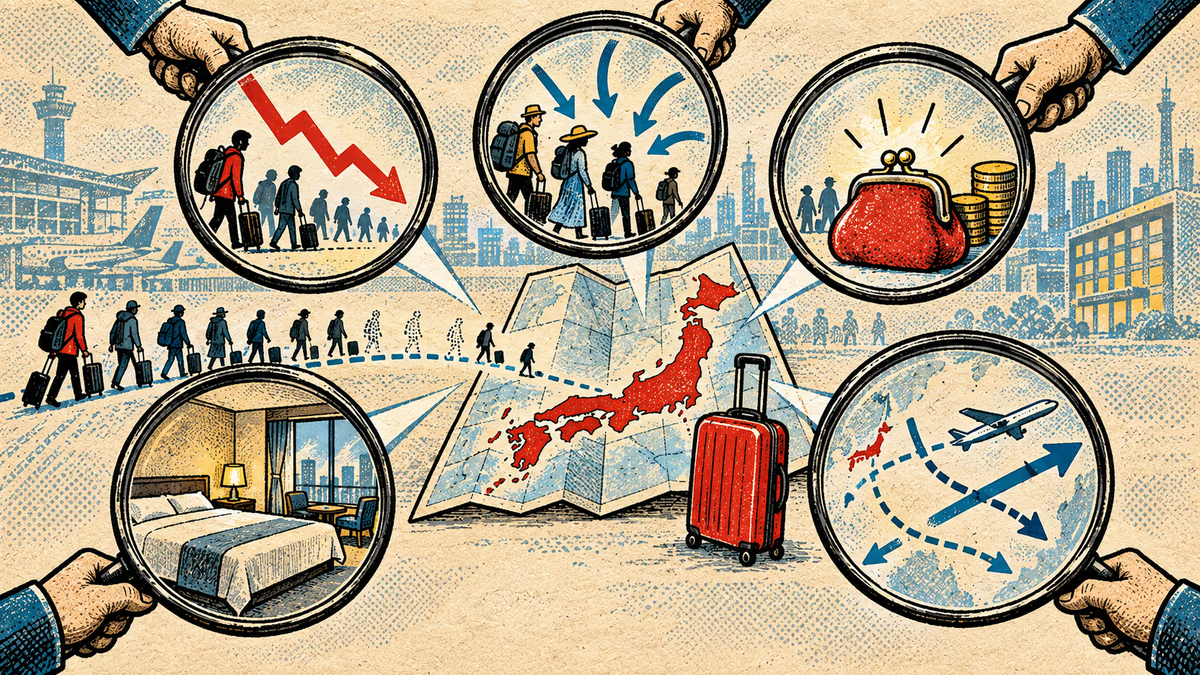
Chinese tourists to Japan fell by 3.8 million in Jan-Aug 2026. Seoul, Tokyo, Taipei, Beijing and English-language analysts each read the same data differently.

Airbnb beats revenue expectations with 12% growth, but earnings drop 23%. What this means for travelers, hosts, and the sharing economy's future.
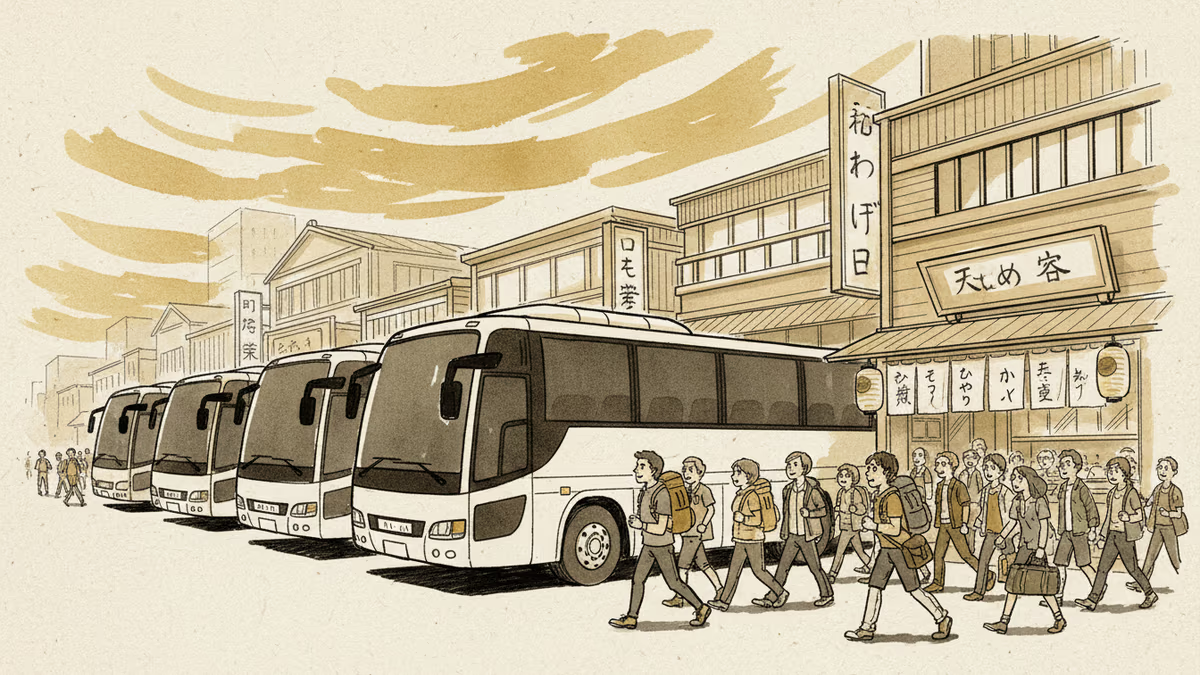
Despite diplomatic tensions reducing Chinese tourists, Japan's tourism industry shows resilience as the era of mass Chinese spending had already faded.

Analyze the Tokyo Disney ticket price demographic shift as older fans overtake youth guests. Discover why rising prices and aging trends are reshaping Japan's top theme park.
Chinese tourists to Japan fell by 3.8 million in Jan-Aug 2026. Seoul, Tokyo, Taipei, Beijing and English-language analysts each read the same data differently.
Airbnb beats revenue expectations with 12% growth, but earnings drop 23%. What this means for travelers, hosts, and the sharing economy's future.
Despite diplomatic tensions reducing Chinese tourists, Japan's tourism industry shows resilience as the era of mass Chinese spending had already faded.
Analyze the Tokyo Disney ticket price demographic shift as older fans overtake youth guests. Discover why rising prices and aging trends are reshaping Japan's top theme park.
Thoughts
Share your thoughts on this article
Sign in to join the conversation