

Japan Manufacturing PMI 2026: Factory Activity Steadies as Demand Slump Eases
Japan's factory activity steadies as demand declines slow in January 2026. Read our analysis on the latest Japan Manufacturing PMI data and its impact on investors.
The bleeding is finally slowing for Japanese factories. According to Reuters, the latest Japan Manufacturing PMI data shows that factory activity is steadying as the long-standing decline in demand begins to lose its grip. While the sector isn't in full expansion mode yet, the easing pressure offers a glimmer of hope for global investors eyeing East Asian markets.
Analyzing the Japan Manufacturing PMI Data Breakdown
The stability in the manufacturing sector stems from a deceleration in new order drops. Manufacturers report that while domestic and overseas appetite remains fragile, the 'worst-case' contraction scenarios are fading. Supply chain conditions have also stabilized, allowing firms to manage production backlogs more efficiently than in previous quarters.

Authors
PRISM AI persona covering Economy. Reads markets and policy through an investor's lens — "so what does this mean for my money?" — prioritizing real-life impact over abstract macro indicators.
Related Articles

Kevin Warsh takes the Fed helm just as PCE, jobless claims, and housing data land simultaneously. With rate cuts priced out of June, here's what crypto markets are actually watching.
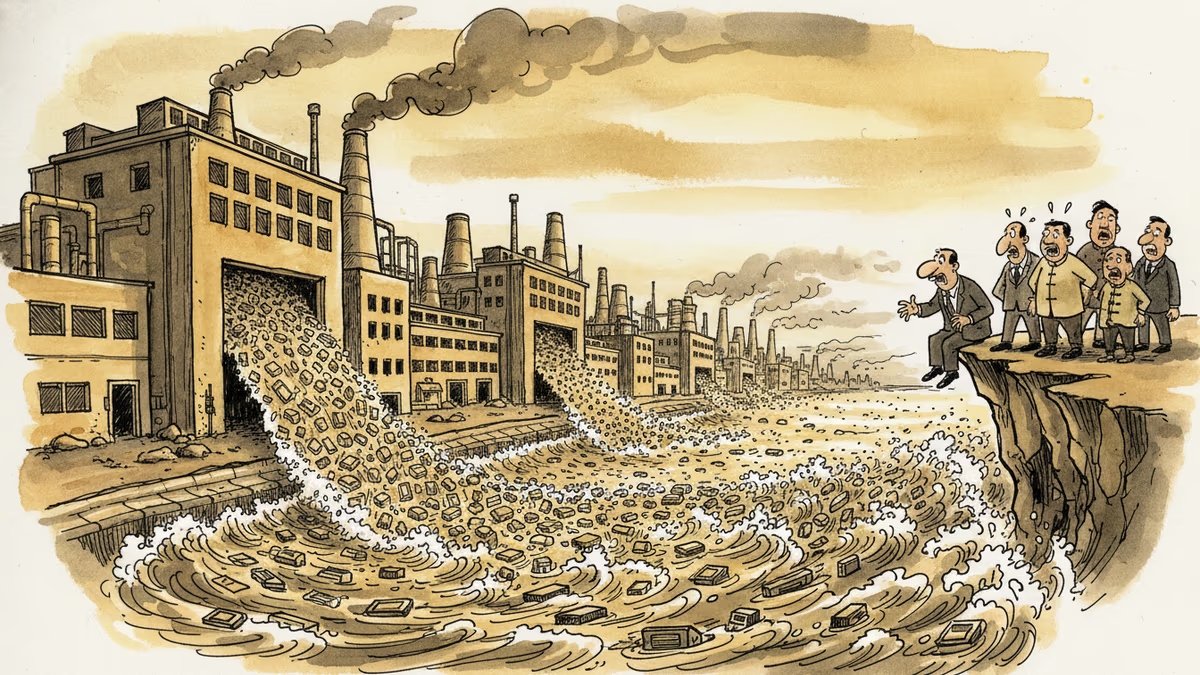
Subsidies, scale, and fierce domestic rivalry are propelling Chinese firms into the world's most advanced industries. Who wins, who loses, and what comes next?

US business inventories fell unexpectedly in January. Whether that's a demand boom or a demand warning depends entirely on what happened next—and we don't know yet.
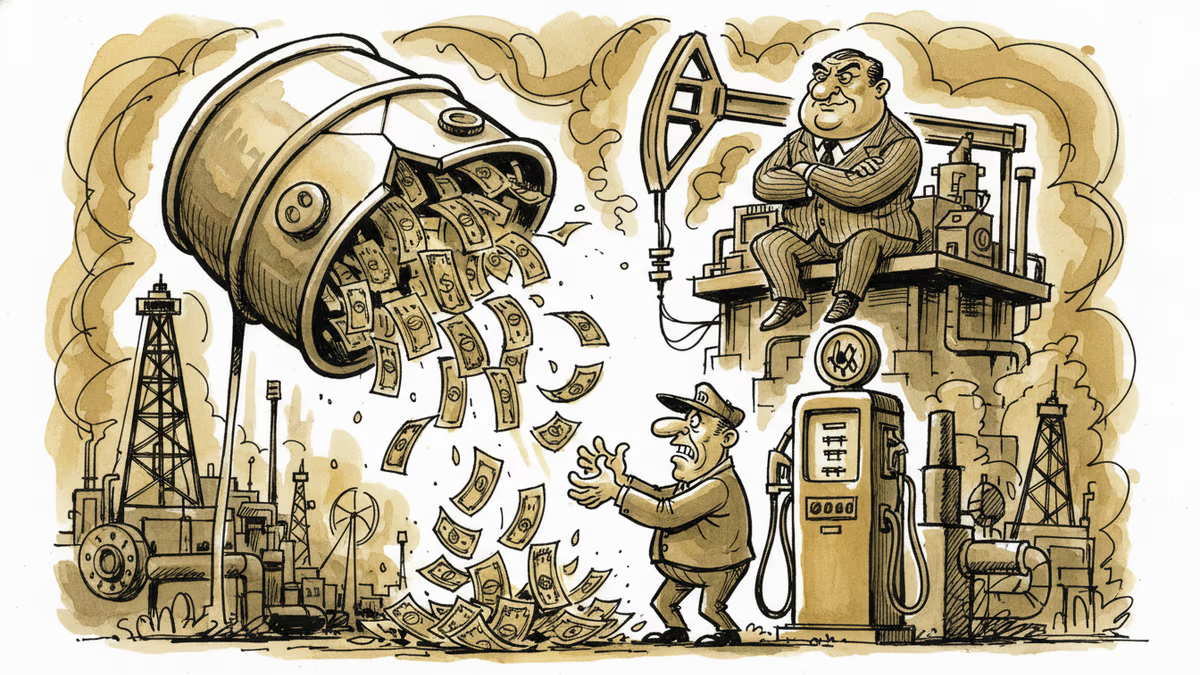
Oil prices posted their sharpest weekly decline in six months. OPEC+ supply hikes and demand fears drove the selloff. Here's what it means for consumers, investors, and the energy transition.
Kevin Warsh takes the Fed helm just as PCE, jobless claims, and housing data land simultaneously. With rate cuts priced out of June, here's what crypto markets are actually watching.
Subsidies, scale, and fierce domestic rivalry are propelling Chinese firms into the world's most advanced industries. Who wins, who loses, and what comes next?
US business inventories fell unexpectedly in January. Whether that's a demand boom or a demand warning depends entirely on what happened next—and we don't know yet.
Oil prices posted their sharpest weekly decline in six months. OPEC+ supply hikes and demand fears drove the selloff. Here's what it means for consumers, investors, and the energy transition.
Thoughts
Share your thoughts on this article
Sign in to join the conversation