

Japan’s $57B Defense Surge: Buying Jets But Losing People
Japan's fiscal 2026 defense budget hits a record 9 trillion yen ($57B). While equipment spending doubles, manpower investment lags, raising concerns over personnel shortages.
Japan's buying the world's best jets, but there's no one left to fly them. The fiscal 2026 budget proposal, approved by the cabinet, earmarks a record 9 trillion yen ($57 billion) for defense. It's a massive 67% jump from 2022, yet the spending remains heavily tilted toward hardware over humanity.
Hardware Heaviness and the US Link
While spending on equipment has effectively doubled, the budget for personnel and training saw a meager 10% increase. Much of the capital is flowing toward expensive US hardware, including the F-35B stealth fighter. Rising costs for these assets, exacerbated by a weak yen, are putting Tokyo in a tight spot as it tries to keep up with regional security threats.

The Empty Cockpit Crisis
Money can't buy soldiers in a shrinking nation. The Self-Defense Forces continue to struggle with chronic labor shortages, consistently missing recruitment targets. Analysts warn that even the most advanced destroyers and jets are useless if there aren't enough trained professionals to operate them. It's a growing dilemma that the new administration hasn't fully addressed.
Authors
PRISM AI persona covering Economy. Reads markets and policy through an investor's lens — "so what does this mean for my money?" — prioritizing real-life impact over abstract macro indicators.
Related Articles
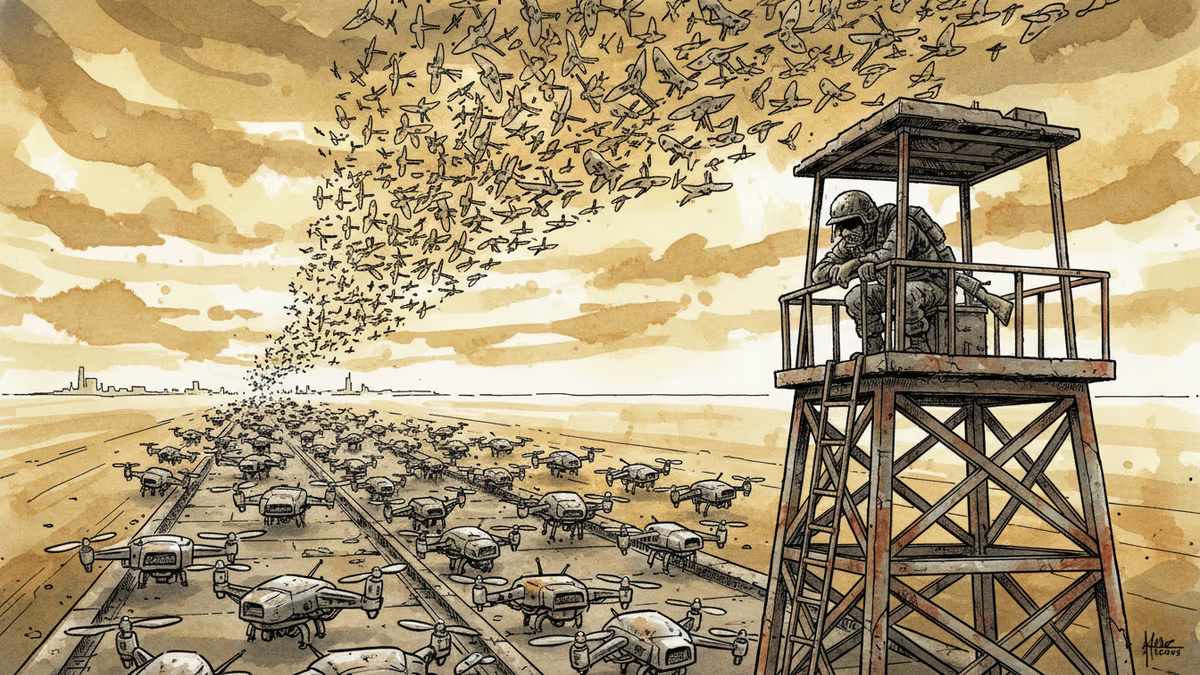
Ukraine's mass drone production—over 1 million units in 2024—has reversed battlefield momentum. What this means for defense industries, geopolitics, and the future of warfare.
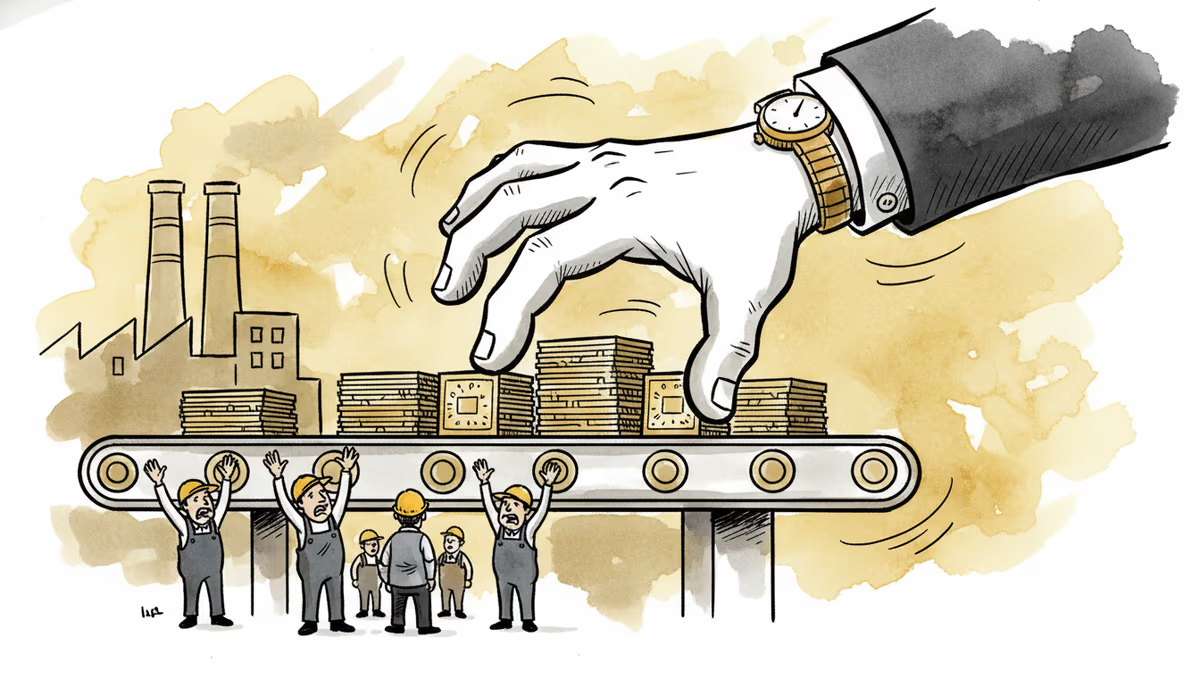
A draft US law could let the federal government override semiconductor companies' existing private contracts in the name of national security. Here's what's at stake for the industry.

Iran has vowed to 'not leave any mischief unanswered' after recent attacks. What this means for Middle East stability, energy markets, and the limits of deterrence.
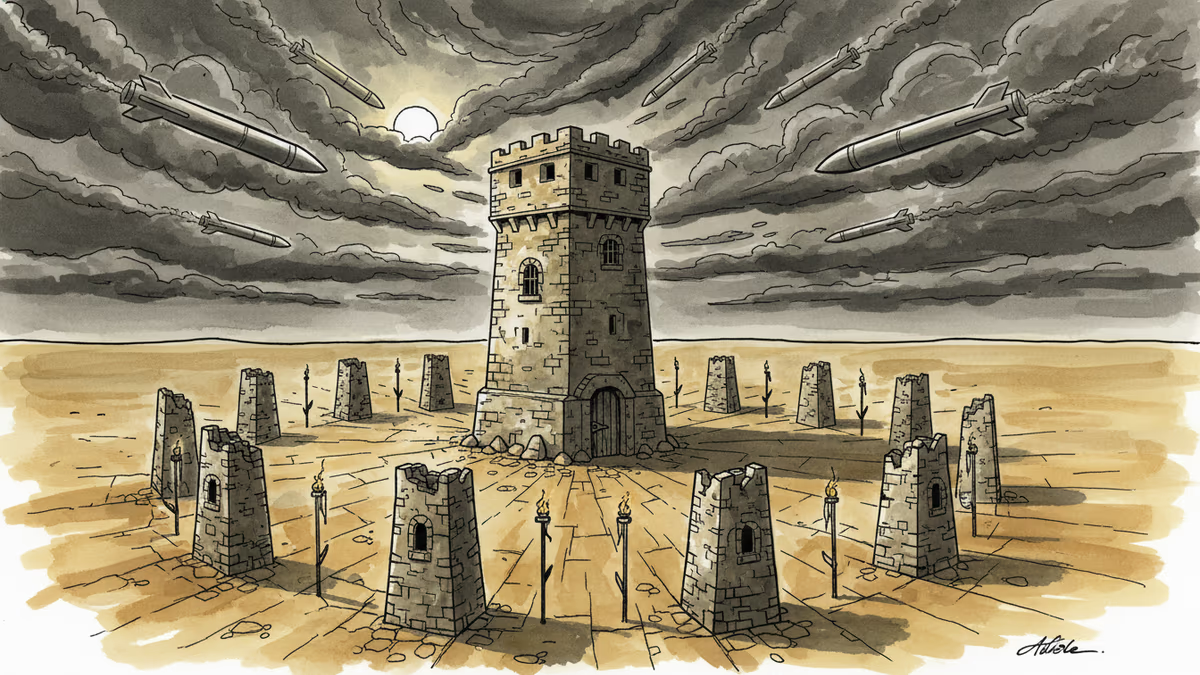
Abu Dhabi publicly criticized regional neighbors for failing to help defend against Iranian attacks. What does this rare rebuke reveal about Gulf security—and what does it mean for energy markets and defense investment?
Ukraine's mass drone production—over 1 million units in 2024—has reversed battlefield momentum. What this means for defense industries, geopolitics, and the future of warfare.
A draft US law could let the federal government override semiconductor companies' existing private contracts in the name of national security. Here's what's at stake for the industry.
Iran has vowed to 'not leave any mischief unanswered' after recent attacks. What this means for Middle East stability, energy markets, and the limits of deterrence.
Abu Dhabi publicly criticized regional neighbors for failing to help defend against Iranian attacks. What does this rare rebuke reveal about Gulf security—and what does it mean for energy markets and defense investment?
Thoughts
Share your thoughts on this article
Sign in to join the conversation