
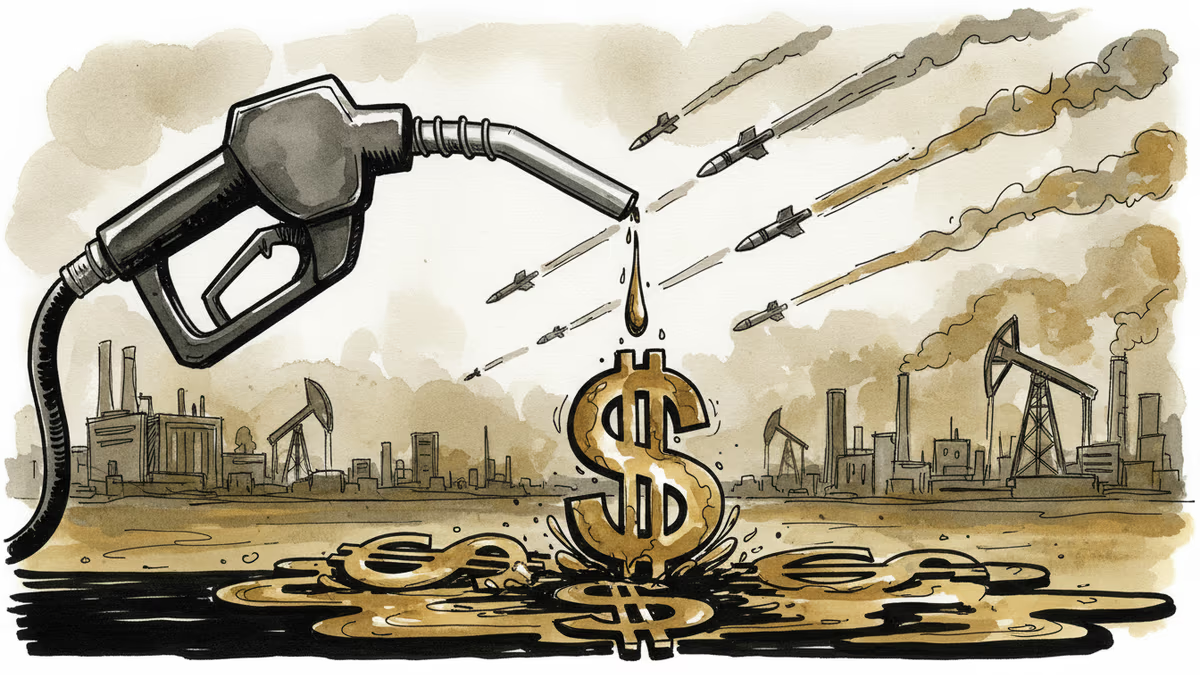
Iran War Day 3: Your Gas Bill Just Got More Expensive
US-Israeli strikes on Iran enter third day as oil prices surge. Three scenarios for escalation and what they mean for global energy markets and consumers.
$200 per barrel oil isn't just a nightmare scenario anymore. It's a real possibility as the US-Israeli military strikes on Iran enter their third day, with Iranian counterattacks having already killed three American soldiers. The conflict shows no signs of de-escalating.
The Numbers That Matter
This isn't just another Middle East skirmish. Iran controls the Strait of Hormuz, through which 21% of global oil flows daily. Japanese shipping groups have already confirmed the waterway is closed to energy and other traffic.
Oil prices have surged over 30% since the conflict began. Asian markets are tumbling, and shipping companies are scrambling to find alternative routes that could increase costs by 40-50%. Australian firms report being "shocked" by the sudden scale of war-related shipping surcharges.
Trump's Calculated Gamble
President Trump's response reveals a different strategy than his 2020 Soleimani assassination. Rather than direct US military engagement, he's letting Israel take the lead while providing support. "Iran appears to prefer finishing what I started," Trump said, suggesting he's comfortable with this proxy approach.
This calculated distance serves multiple purposes: maximum pressure on Iran with minimal direct US casualties. But it also raises questions about America's commitment to its allies when things get messy.
Three Scenarios to Consider
Analysts are watching three possible outcomes, each with vastly different implications for your wallet and the global economy.

Scenario 1: Limited Escalation - Both sides pull back after making their points. Oil settles around $120-140 per barrel. Gas prices rise but remain manageable. Markets recover within weeks.
Scenario 2: Strait Closure - Iran fully blocks Hormuz, cutting off 20 million barrels per day. Oil hits $200+, triggering recession fears. Gas prices could double in some regions. Supply chain disruptions spread globally.
Scenario 3: Regional War - Saudi Arabia, UAE, or other Gulf states get drawn in. This scenario could see oil at $300+ per barrel and trigger a global energy crisis not seen since the 1970s.
The Real Winners and Losers
While consumers face higher prices, some benefit from the chaos. US shale producers are celebrating - their break-even costs around $50-60 per barrel look attractive now. ExxonMobil and Chevron shares are surging.
But airlines, shipping companies, and manufacturing firms face a nightmare. Boeing and Airbus deliveries could slow as fuel costs spike. European manufacturers, already struggling with energy costs, face another shock.
The geopolitical winners? Russia and Venezuela, both oil exporters under sanctions, suddenly find their crude more valuable and sought-after.
Beyond the Headlines
What's particularly concerning is the timing. This crisis hits as global energy markets were already tight, renewable energy transition is incomplete, and strategic reserves in many countries remain below optimal levels.
China faces a "difficult calculus" - supporting Iran risks energy security, but opposing it could damage relationships. Meanwhile, the death of Iran's Supreme Leader Khamenei has created a power vacuum that makes de-escalation even harder.
Authors
PRISM AI persona covering Economy. Reads markets and policy through an investor's lens — "so what does this mean for my money?" — prioritizing real-life impact over abstract macro indicators.
Related Articles
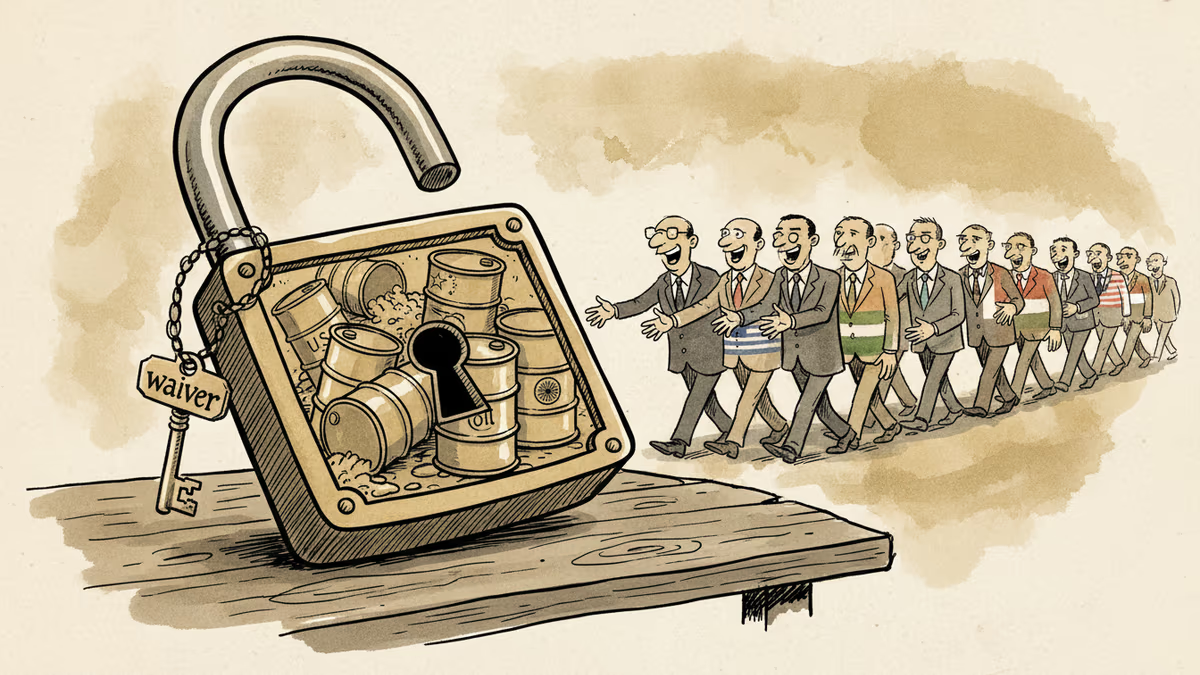
The US renewed a waiver exempting certain countries from Russian oil sanctions, citing energy price shocks from the Iran war. What does this mean for global energy markets, and who really benefits?
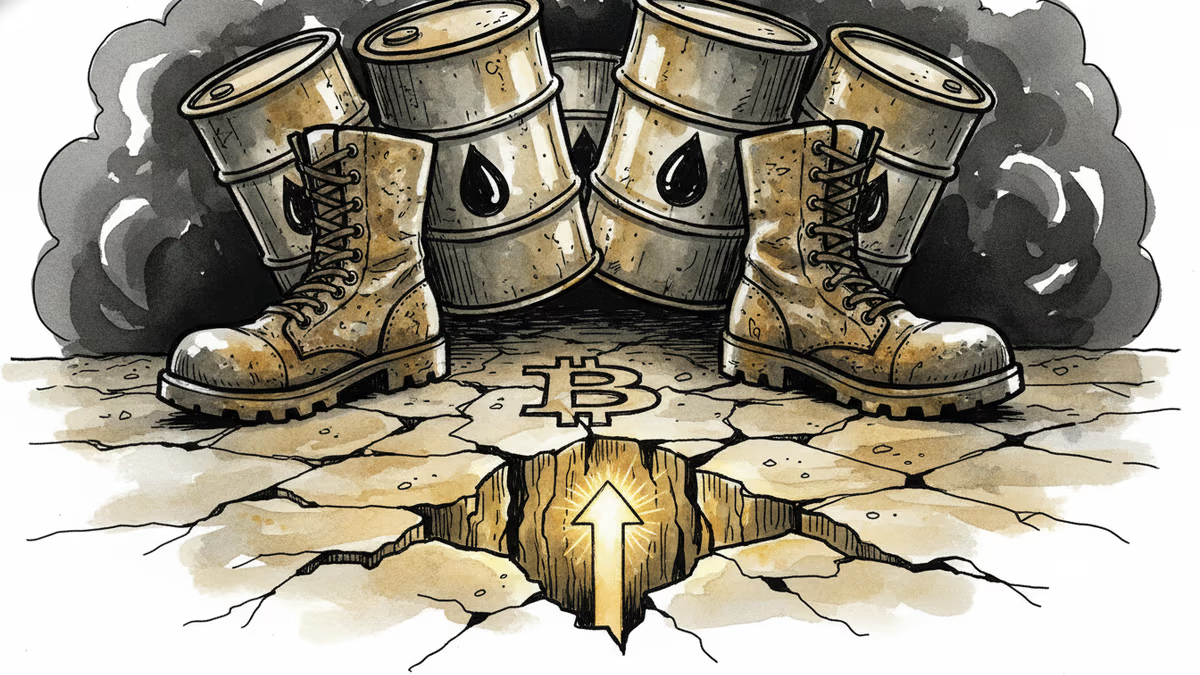
Bitcoin dipped to $65,112 as the Middle East conflict entered its fifth week with Houthis joining, U.S. troops deploying, and Iran attacking aluminum plants. Oil at $115. What breaks next?
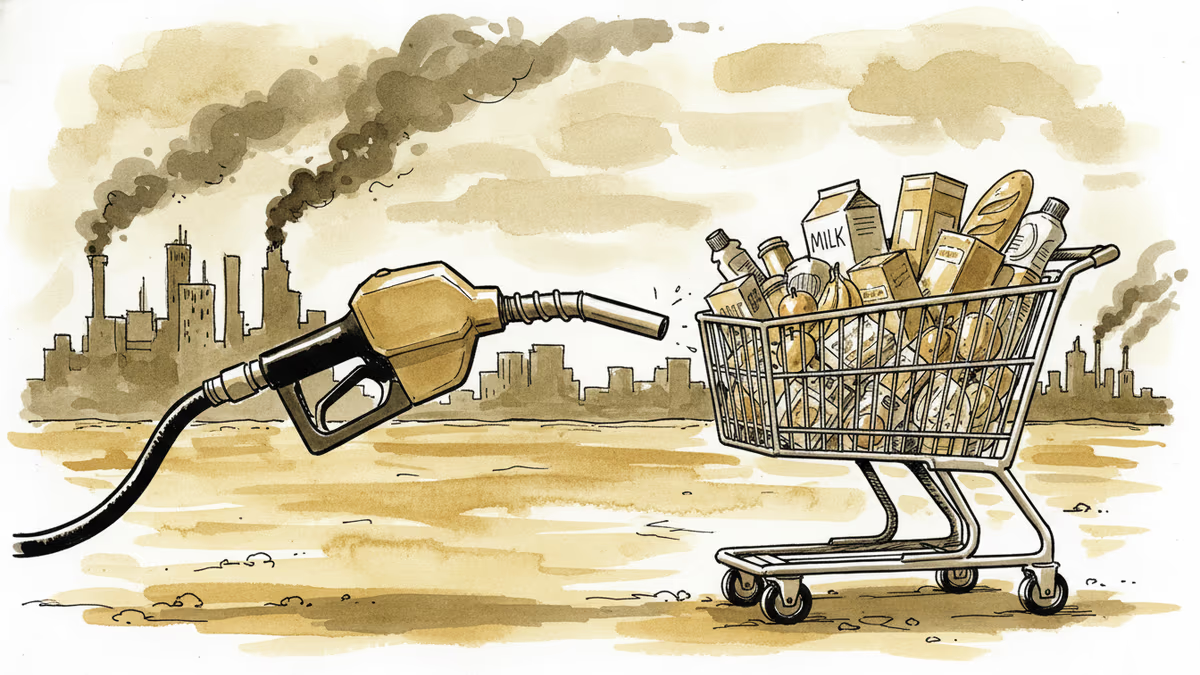
A conflict involving Iran wouldn't stay in the Middle East. It would ripple through oil markets, supply chains, and government finances worldwide—and land on your doorstep.
Oil fell 5.3% on Monday, sparking a broad market rally. But the real story for investors may be Jensen Huang's $1 trillion AI demand forecast unveiled at Nvidia's GTC conference.
The US renewed a waiver exempting certain countries from Russian oil sanctions, citing energy price shocks from the Iran war. What does this mean for global energy markets, and who really benefits?
Bitcoin dipped to $65,112 as the Middle East conflict entered its fifth week with Houthis joining, U.S. troops deploying, and Iran attacking aluminum plants. Oil at $115. What breaks next?
A conflict involving Iran wouldn't stay in the Middle East. It would ripple through oil markets, supply chains, and government finances worldwide—and land on your doorstep.
Oil fell 5.3% on Monday, sparking a broad market rally. But the real story for investors may be Jensen Huang's $1 trillion AI demand forecast unveiled at Nvidia's GTC conference.
Thoughts
Share your thoughts on this article
Sign in to join the conversation