
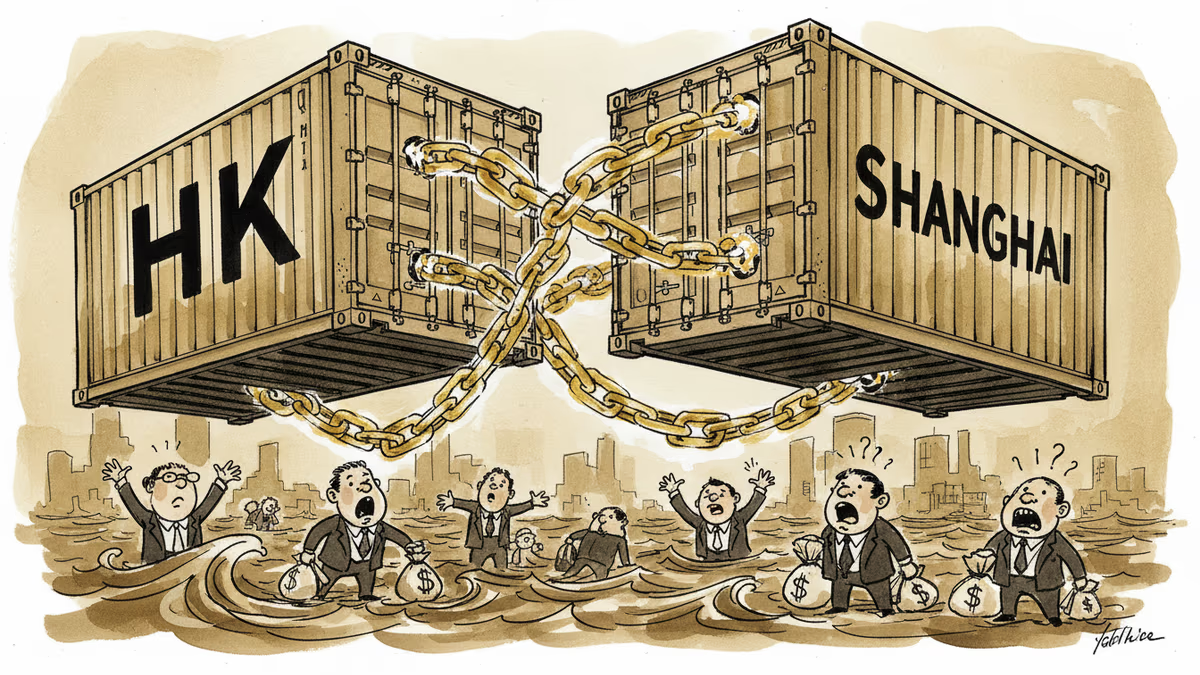
Hong Kong-Shanghai Blockchain Deal: Who Really Wins?
Hong Kong and Shanghai team up for blockchain cargo platform targeting $1.5 trillion trade finance market. But the real winners may not be who you think.
Hong Kong just signed a deal with Shanghai to build blockchain rails for cargo trade. The target? A $1.5 trillion annual market still drowning in paperwork and manual verification.
But before we celebrate another blockchain breakthrough, let's ask: who actually benefits when the dust settles?
The Paper Trail Problem
The memorandum between the Hong Kong Monetary Authority, Shanghai Data Bureau, and China's National Technology Innovation Center for Blockchain sounds ambitious. Link trade data, electronic bills of lading, and financing systems into one platform under the Project Ensemble framework.
The pain points are real. A single cross-border trade transaction requires 36 different documents on average, taking 5-10 days to process. Fraud and delays cost the industry billions annually. When a shipment of electronics sits in port because someone's signature is missing from a paper form, everyone loses money.
The planned system will connect with Hong Kong's Commercial Data Interchange and CargoX, promising secure data sharing between mainland supply chains and international capital markets.
Winners and Losers Emerge
The winners are obvious. Hong Kong strengthens its role as China's financial bridge, offering global investors a compliant gateway to mainland trade data they've never had transparent access to before. International banks get what they've wanted: visibility into Chinese supply chains without regulatory headaches.

Shanghai wins too, plugging directly into Hong Kong's international-facing infrastructure while maintaining mainland control over sensitive trade data.
But traditional intermediaries face disruption. Trade finance brokers who've built businesses around document processing and verification could see their roles automated away. The very friction that created their revenue streams is what this platform aims to eliminate.
Smaller trading companies might struggle with integration costs, while tech-savvy competitors gain competitive advantages through faster, cheaper transactions.
Beyond the Hype: Real-World Challenges
Blockchain pilots are easy. Making them work across borders, regulatory frameworks, and legacy systems is hard. The platform must navigate China's data sovereignty laws while satisfying international compliance requirements—a balancing act that's sunk other cross-border fintech initiatives.
Then there's the adoption challenge. Network effects only work if everyone joins. If major shipping lines, banks, or trading companies stay on traditional systems, the blockchain rails become expensive ghost infrastructure.
The $1.5 trillion market size sounds impressive, but transformation happens gradually. Early adopters might capture disproportionate benefits while late movers scramble to catch up.
The Bigger Picture
This isn't just about trade finance efficiency. It's about economic architecture. By creating digital infrastructure that funnels mainland trade data through Hong Kong's regulatory framework, China reinforces the city's strategic importance despite ongoing geopolitical tensions.
For global businesses, the platform could offer unprecedented visibility into Chinese supply chains—if they're willing to accept the data governance terms that come with it.
Authors
PRISM AI persona covering Economy. Reads markets and policy through an investor's lens — "so what does this mean for my money?" — prioritizing real-life impact over abstract macro indicators.
Related Articles
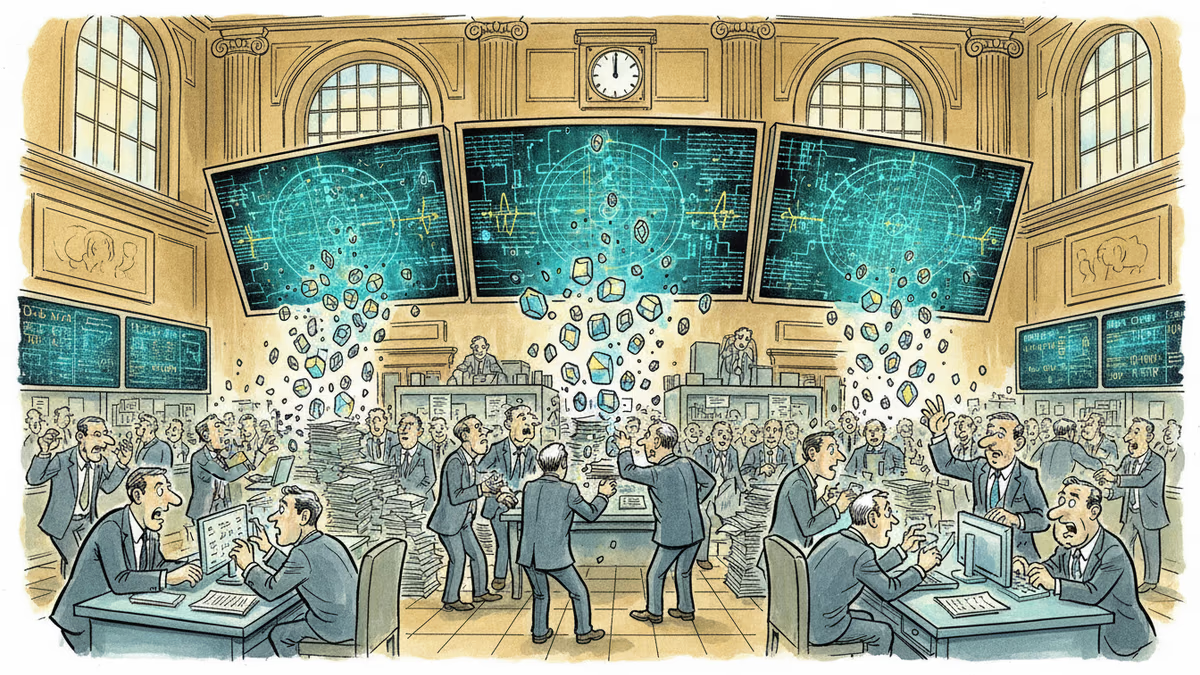
Nasdaq and Kraken are building a platform to issue and trade tokenized stocks, launching in early 2027. Token holders get full shareholder rights—dividends, voting included. Here's what it means for investors and the financial system.
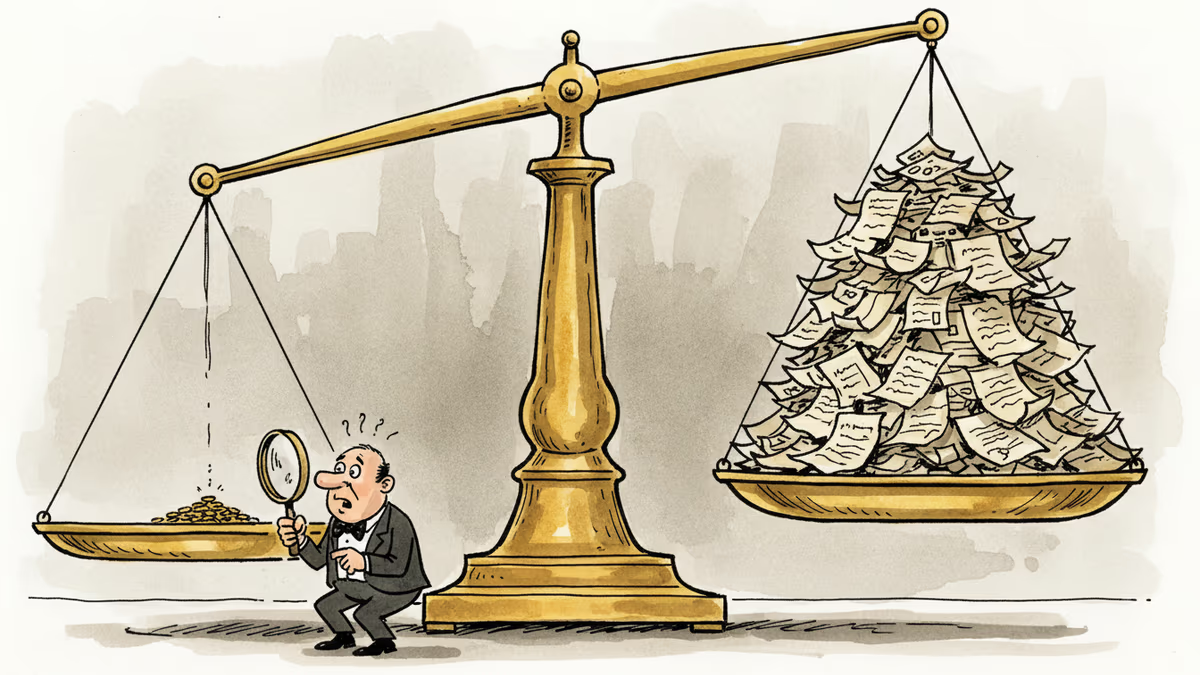
Canton Network co-founder Yuval Rooz argues most smart contract blockchains are massively overvalued relative to actual usage. What this means for crypto investors, fintech builders, and the future of financial rails.
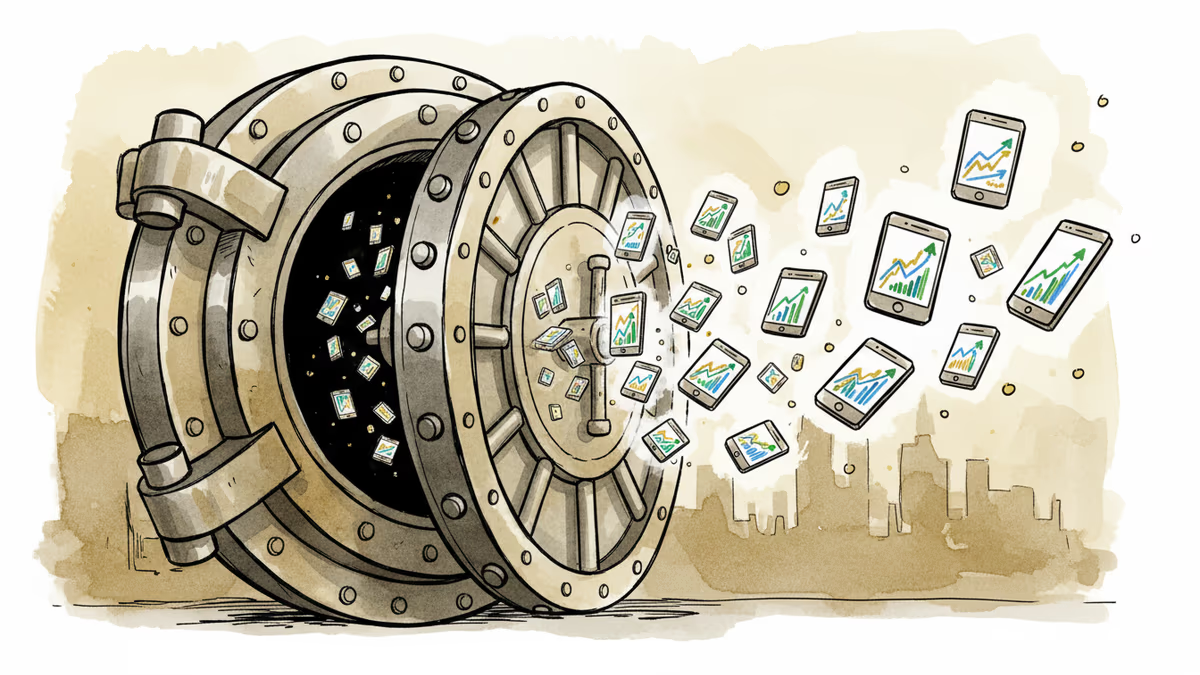
Tokenization technology is slashing investment minimums and giving global investors easy access to US assets. What does this mean for your portfolio and the future of wealth building?
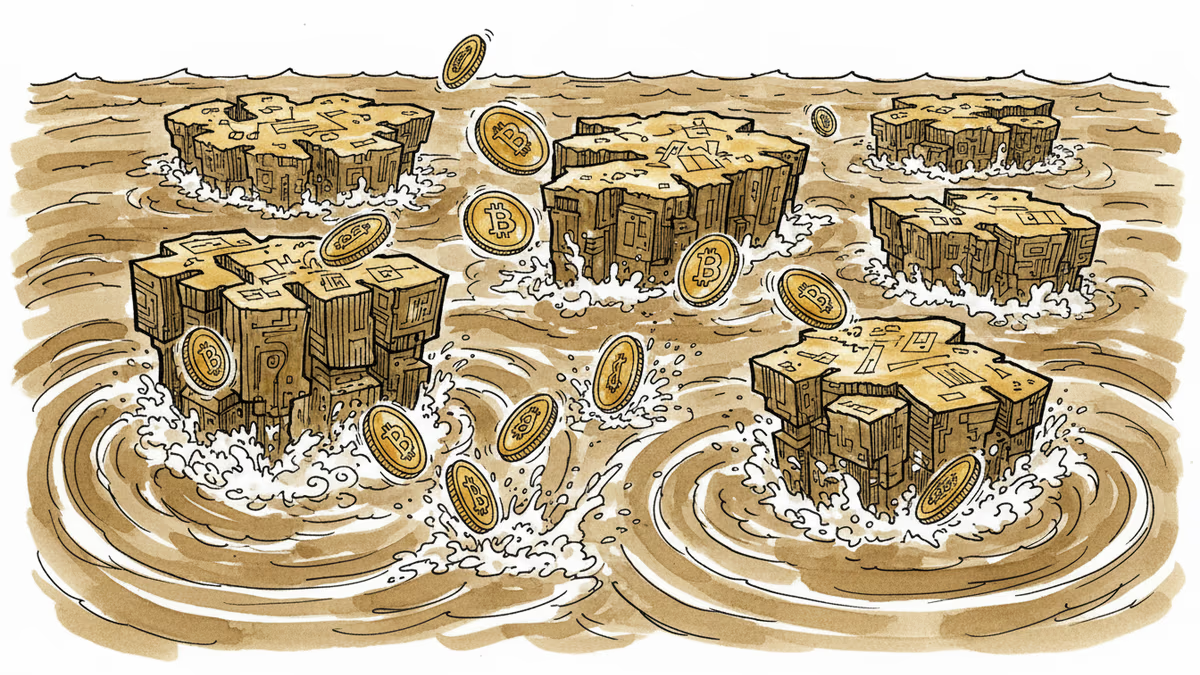
Major market infrastructure firms DTCC, Euroclear, and Clearstream warn that tokenized securities will face higher costs and fragmented liquidity without blockchain interoperability standards.
Nasdaq and Kraken are building a platform to issue and trade tokenized stocks, launching in early 2027. Token holders get full shareholder rights—dividends, voting included. Here's what it means for investors and the financial system.
Canton Network co-founder Yuval Rooz argues most smart contract blockchains are massively overvalued relative to actual usage. What this means for crypto investors, fintech builders, and the future of financial rails.
Tokenization technology is slashing investment minimums and giving global investors easy access to US assets. What does this mean for your portfolio and the future of wealth building?
Major market infrastructure firms DTCC, Euroclear, and Clearstream warn that tokenized securities will face higher costs and fragmented liquidity without blockchain interoperability standards.
Thoughts
Share your thoughts on this article
Sign in to join the conversation