
This $99 Kit Could Disrupt the $400 Home Energy Audit Industry
HomeBoost's DIY energy assessment kit costs a quarter of traditional audits and puts homeowners in control. As utilities embrace the model, what does this mean for the energy efficiency market?
A sticky note saying "turn off the lights" launched a company that could reshape how Americans think about home energy. When Selina Tobaccowala's daughter started leaving conservation reminders around the house, the former SurveyMonkey president saw more than childhood activism—she saw a market gap worth billions.
The $400 Problem Nobody Wanted to Solve
Traditional home energy audits cost between $300-$600 and require scheduling a stranger to spend hours in your home. Worse, homeowners told Tobaccowala the same story repeatedly: "All they did was try to sell me an upgraded HVAC system."
Meanwhile, utility bills kept climbing, and those monthly emails comparing your usage to neighbors felt more like taunts than helpful advice. "They were sort of stuck with what to do about it," Tobaccowala found through her extensive customer surveys.
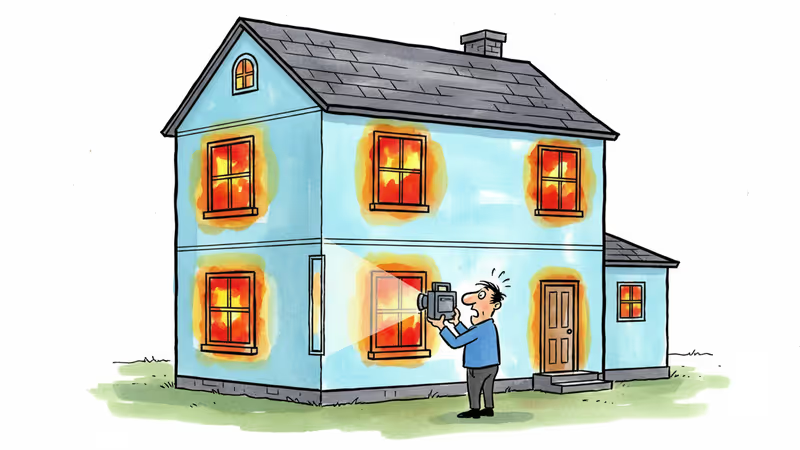
HomeBoost's solution strips away the complexity. For $99, customers receive a BoostBox containing an infrared camera, blacklight, and app-guided assessment process. Walk through your home, point the camera at walls and windows, and instantly see where energy is escaping. The blacklight reveals which bulbs need upgrading. The app automatically generates a customized report with cost-effective improvements and local rebates.
Utilities Are Paying the Bills
Here's where it gets interesting: utilities are embracing this model enthusiastically. Central Hudson covers the entire $99 cost if customers check out the kit from public libraries. Omaha Public Power District reduces customer cost to just $19. Avista recently signed on too.

This isn't charity—it's smart business. Utilities face regulatory pressure to reduce customer energy consumption, and helping customers use less power is often cheaper than building new generation capacity. Traditional audit programs were expensive and reached relatively few customers. HomeBoost's model scales efficiently while maintaining quality.
Beyond DIY: Professional Tools and Contractor Networks
Not every homeowner wants to conduct their own assessment, and not every auditor is a pushy salesperson. HomeBoost has developed professional versions of its app, allowing dedicated energy auditors to serve more customers efficiently while maintaining the thoroughness that can take 2-10 hours per home.
The company is also testing contractor marketplace features. Instead of homeowners struggling to find qualified professionals to implement audit recommendations, the platform would connect them directly with vetted contractors who already understand the scope of work.
The Alignment Problem That Actually Works
Most climate solutions struggle with misaligned incentives—what's good for the planet isn't always good for business. HomeBoost found the rare sweet spot where everyone wins. Homeowners save money, utilities meet efficiency targets, contractors get qualified leads, and the climate benefits from reduced energy consumption.
"It's a very unique situation where everybody's aligned to actually lower the utility bill, which in the net result is improvement on the climate," Tobaccowala explained.
Authors
Related Articles

Scientists crack the molecular code for storing summer heat until winter arrives. Could this breakthrough finally make fossil fuel heating obsolete?

Varaha raises $20 million to scale carbon removal projects across Asia and Africa, positioning itself as a lower-cost alternative to European and North American competitors in the growing climate tech market.

Transition Metal Solutions raised $6M to solve the looming copper shortage using microbial 'probiotics' that boost extraction rates by up to 30%.

A simple space heater review reveals a major tech trend: the battle for the intelligent home. Learn why this 'dumb' appliance matters for the future of tech.
Scientists crack the molecular code for storing summer heat until winter arrives. Could this breakthrough finally make fossil fuel heating obsolete?
Varaha raises $20 million to scale carbon removal projects across Asia and Africa, positioning itself as a lower-cost alternative to European and North American competitors in the growing climate tech market.
Transition Metal Solutions raised $6M to solve the looming copper shortage using microbial 'probiotics' that boost extraction rates by up to 30%.
A simple space heater review reveals a major tech trend: the battle for the intelligent home. Learn why this 'dumb' appliance matters for the future of tech.
Thoughts
Share your thoughts on this article
Sign in to join the conversation