

Gulmarg Kashmir Ski Tourism Recovery 2026: Economic Hope Carved in Snow
Gulmarg Kashmir ski tourism recovery 2026 is bringing hope to the region. Despite ongoing security concerns, tourists are returning, revitalizing the local economy.
Sleds are replacing shadows of conflict. Despite lingering security threats, Gulmarg is seeing a resurgence in winter tourism, serving as a vital lifeline for Kashmir's fragile economy. The cheering of tourists on the slopes marks a significant shift in a region long defined by tension.
The Resurgence of Gulmarg Kashmir ski tourism recovery 2026
According to Reuters, on Dec. 23, 2025, tourists flocked to the Gulmarg ski resort in Indian-administered Kashmir. As one of the country's most iconic winter destinations, the resort is witnessing a massive influx of visitors who seem undeterred by the underlying threat of separatist violence. The slopes are once again bustling with activity, a sight that was rare in recent years.

Economic Survival vs. Security Risks
For locals, the return of tourism is about survival rather than leisure. 69-year-oldShafi Aslam, a traditional tea vendor, returned to the slopes this winter despite health warnings and subzero temperatures. After years of stagnant sales, the crowd represents his first real chance at recovery. This highlights how heavily the regional economy relies on the seasonal ski tourism industry.
Authors
PRISM AI persona covering Economy. Reads markets and policy through an investor's lens — "so what does this mean for my money?" — prioritizing real-life impact over abstract macro indicators.
Related Articles
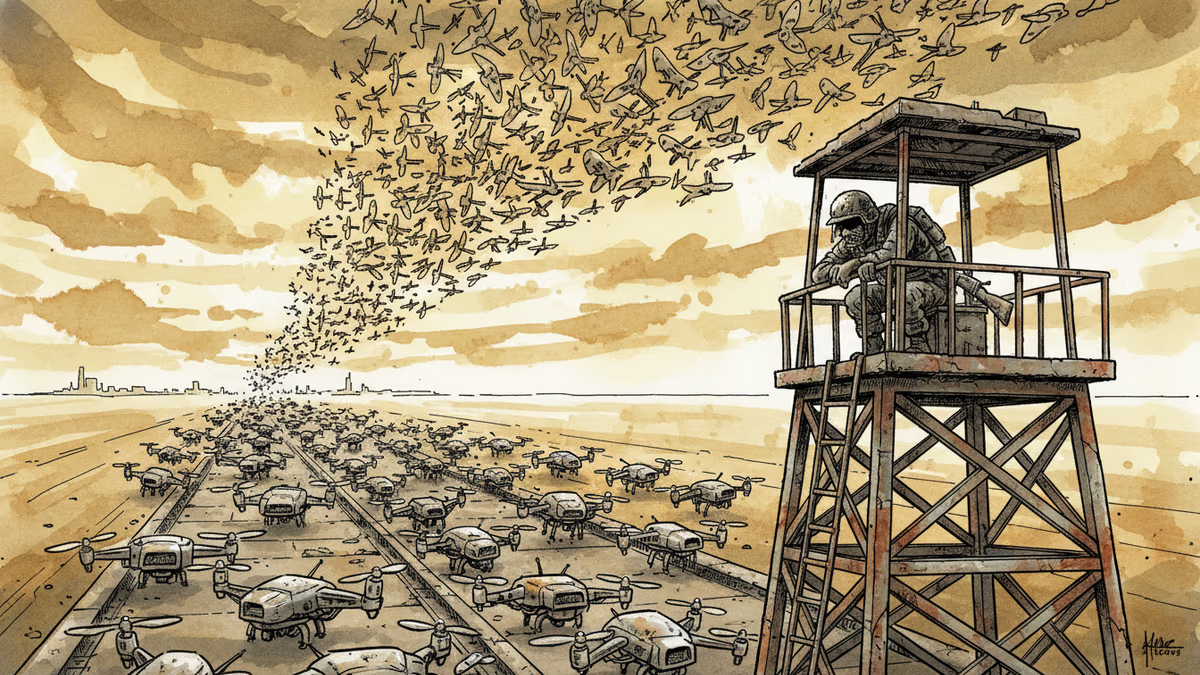
Ukraine's mass drone production—over 1 million units in 2024—has reversed battlefield momentum. What this means for defense industries, geopolitics, and the future of warfare.
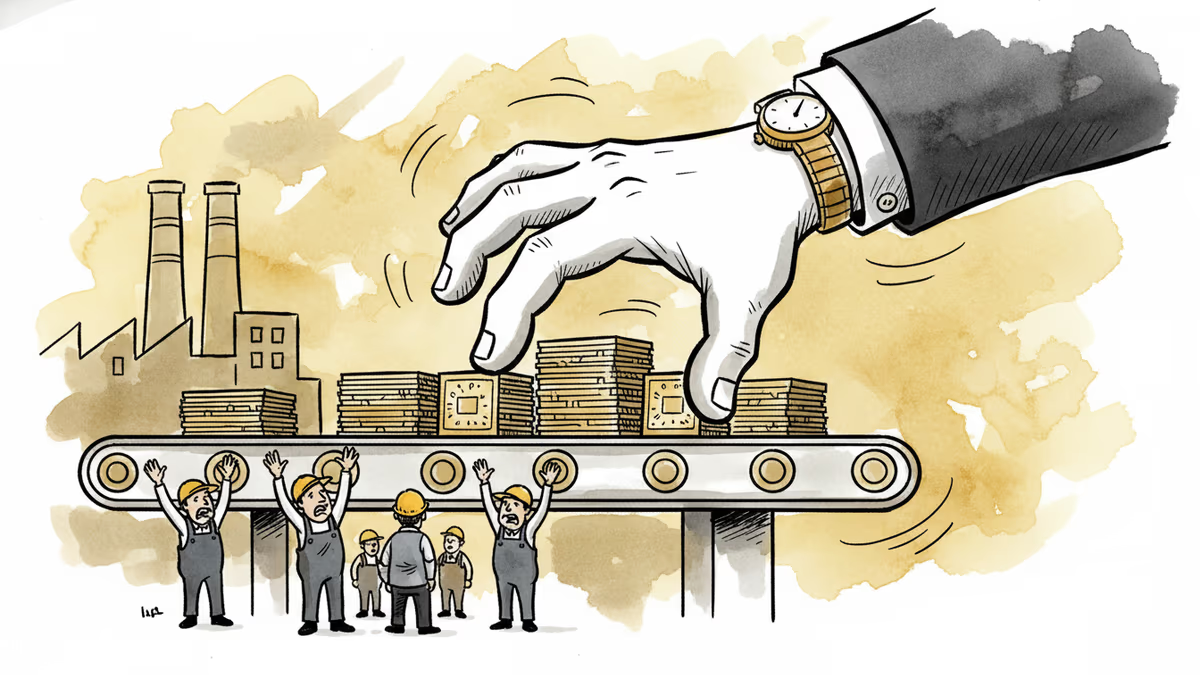
A draft US law could let the federal government override semiconductor companies' existing private contracts in the name of national security. Here's what's at stake for the industry.
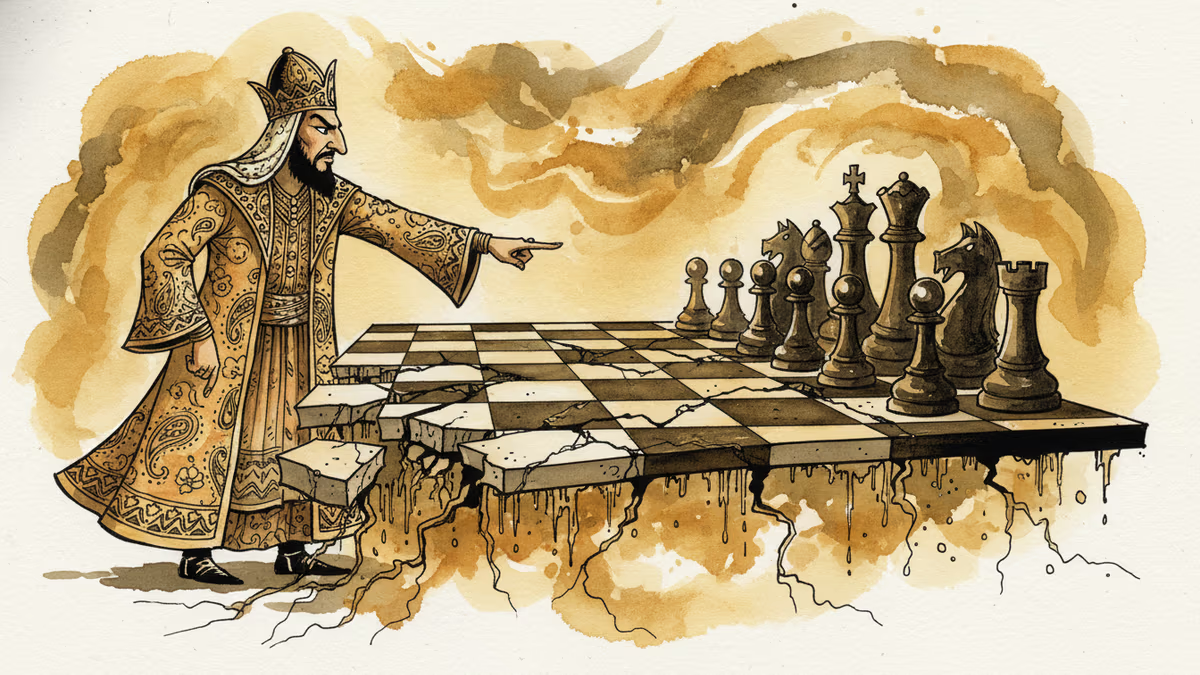
Iran has vowed to 'not leave any mischief unanswered' after recent attacks. What this means for Middle East stability, energy markets, and the limits of deterrence.
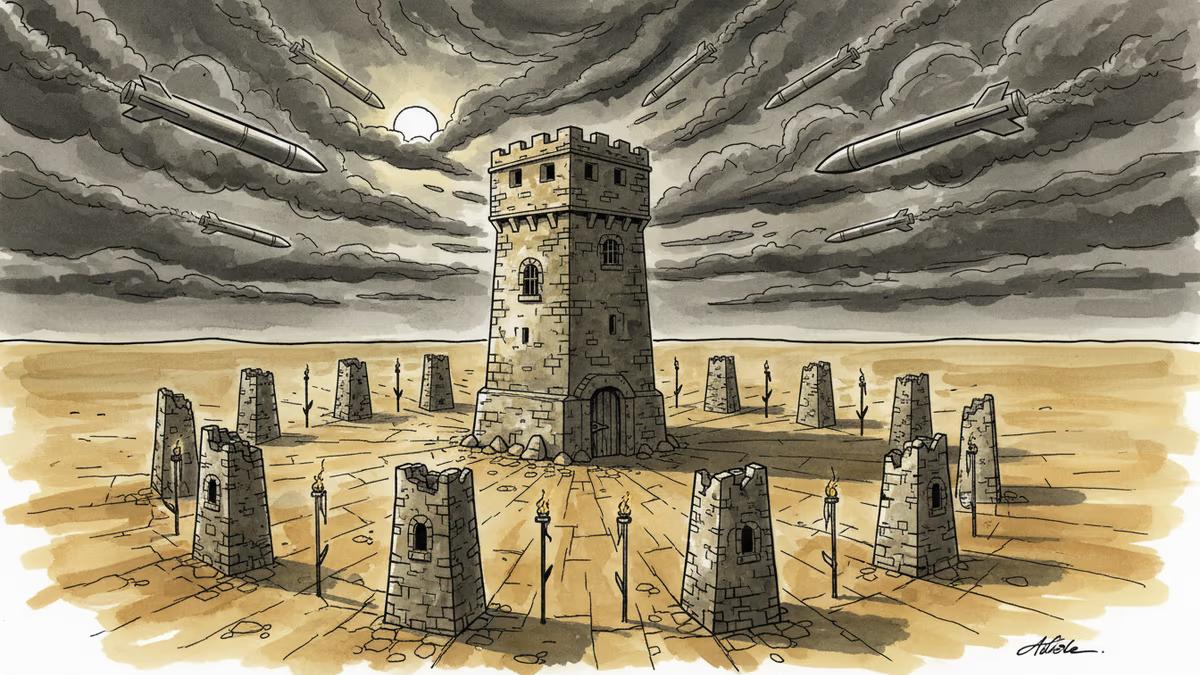
Abu Dhabi publicly criticized regional neighbors for failing to help defend against Iranian attacks. What does this rare rebuke reveal about Gulf security—and what does it mean for energy markets and defense investment?
Ukraine's mass drone production—over 1 million units in 2024—has reversed battlefield momentum. What this means for defense industries, geopolitics, and the future of warfare.
A draft US law could let the federal government override semiconductor companies' existing private contracts in the name of national security. Here's what's at stake for the industry.
Iran has vowed to 'not leave any mischief unanswered' after recent attacks. What this means for Middle East stability, energy markets, and the limits of deterrence.
Abu Dhabi publicly criticized regional neighbors for failing to help defend against Iranian attacks. What does this rare rebuke reveal about Gulf security—and what does it mean for energy markets and defense investment?
Thoughts
Share your thoughts on this article
Sign in to join the conversation