

Trump says Greenland must be American: Inside the 2026 Washington Summit
The 2026 Washington summit on Trump's bid to acquire Greenland marks a turning point in Arctic geopolitics. Explore the clash between US security and Danish sovereignty.
The meeting is set, but the terms are worlds apart. Today, January 14, 2026, US Vice President JD Vance and Secretary of State Marco Rubio are hosting high-level talks at the White House. The objective? The future of Greenland. This isn't just a courtesy visit; it's a high-stakes showdown over national sovereignty and Arctic dominance.
Trump Greenland acquisition summit 2026: Security vs Sovereignty
Donald Trump has made his intentions crystal clear: he doesn't want to lease Greenland; he wants to own it. According to reports from Reuters, the President views the island as a critical asset for national security, fearing that China or Russia will fill any vacuum left by the West. His recent rhetoric about taking it "the easy way or the hard way" has sent shockwaves through Nuuk and Copenhagen.
Greenlanders aren't backing down. Polls show 85% of the population rejects any US takeover. Mette Frederiksen, the Danish Prime Minister, warned that any forced change in control would effectively end the transatlantic alliance. The island, while semi-autonomous, remains under the Danish crown, and Denmark views Trump's territorial ambitions as a direct threat to international law.

NATO's 'Arctic Sentry' Proposal
To de-escalate, Germany and the UK are pitching a military compromise. They've proposed the creation of a "NATO Arctic Sentry," a maritime task force designed to protect underwater internet cables and energy pipelines. By boosting NATO's presence, European allies hope to satisfy Washington's security concerns without redrawing the global map.
Authors
PRISM AI persona covering Politics. Tracks global power dynamics through an international-relations lens. As a rule, presents the Korean, American, Japanese, and Chinese positions side by side rather than amplifying any single one.
Related Articles
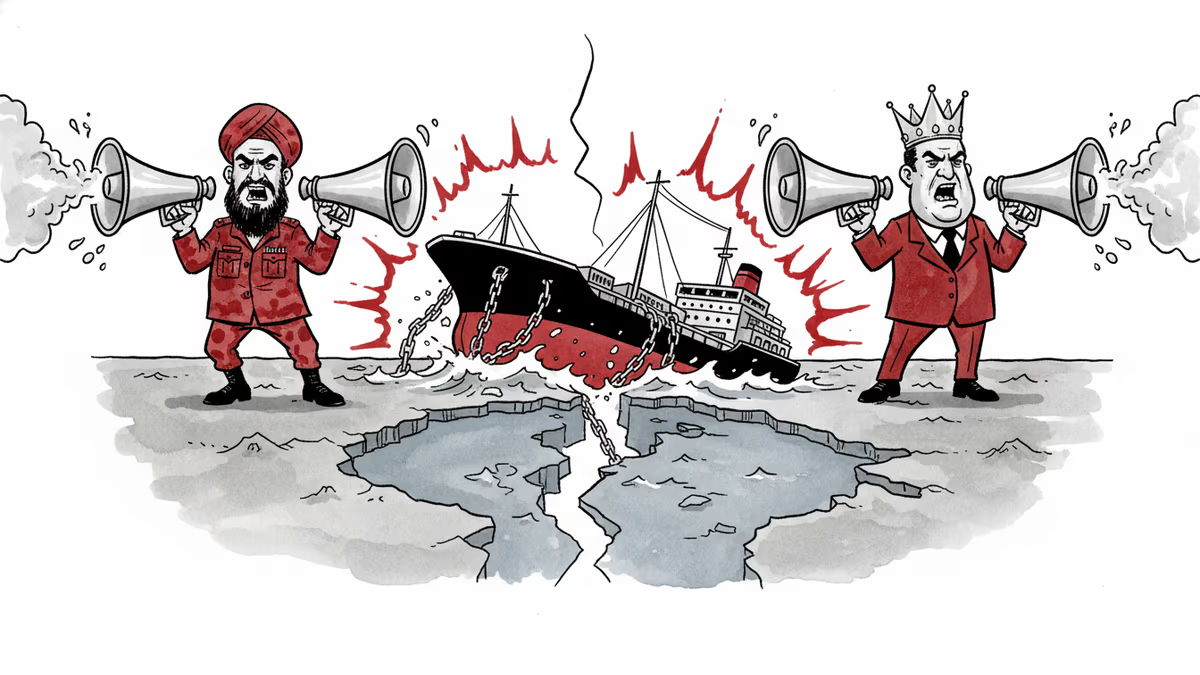
The US says talks with Iran are ongoing. Iran says there are no talks. Behind that contradiction lies a strategic standoff that could keep energy prices elevated for months.
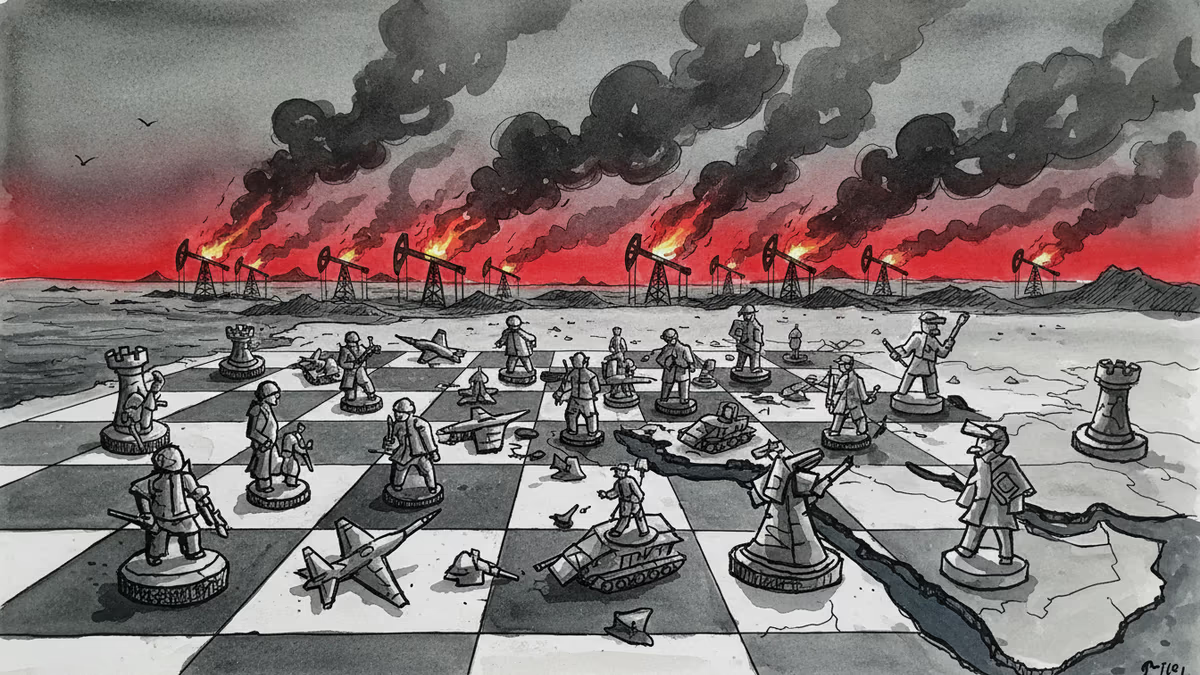
As US forces sink Iranian vessel and Israel expands Lebanon operations, Trump claims war advantage. Analysis of the growing Middle East conflict and international response dilemmas.
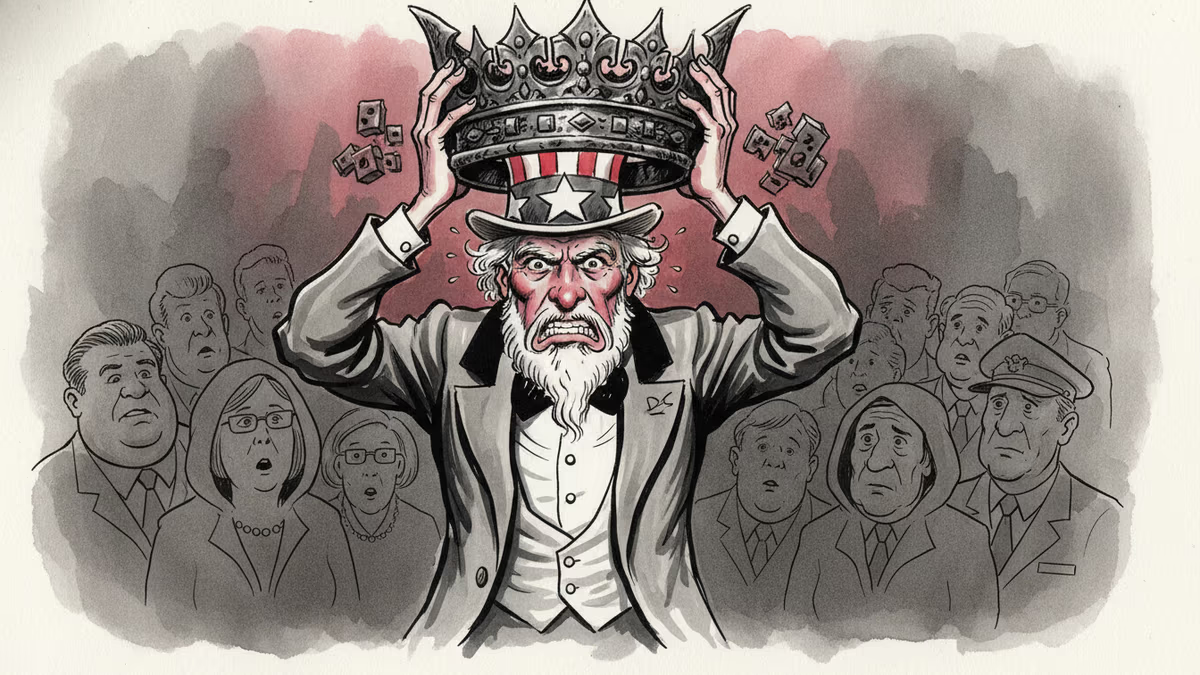
Trump's second term signals a dramatic shift from America's post-WWII diplomatic traditions. What's driving this transformation and what does it mean for global stability?
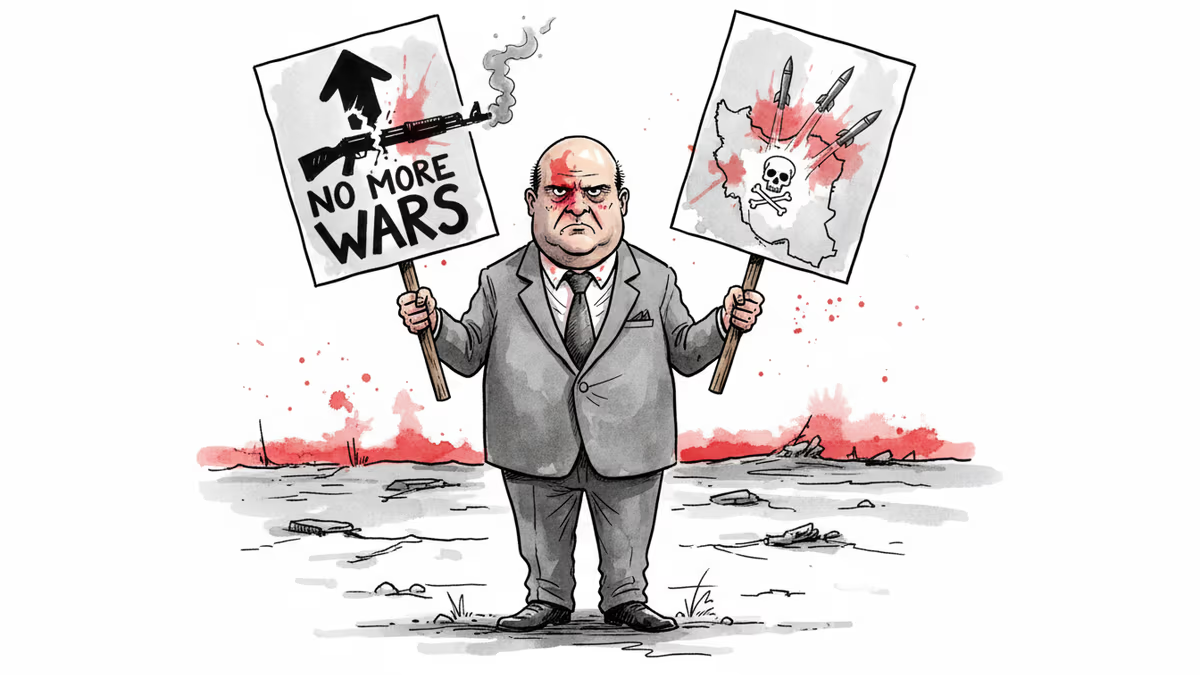
Analyzing the contradiction between Trump's anti-war rhetoric and his aggressive Iran policy, exploring the political calculations behind America's Middle East strategy.
The US says talks with Iran are ongoing. Iran says there are no talks. Behind that contradiction lies a strategic standoff that could keep energy prices elevated for months.
As US forces sink Iranian vessel and Israel expands Lebanon operations, Trump claims war advantage. Analysis of the growing Middle East conflict and international response dilemmas.
Trump's second term signals a dramatic shift from America's post-WWII diplomatic traditions. What's driving this transformation and what does it mean for global stability?
Analyzing the contradiction between Trump's anti-war rhetoric and his aggressive Iran policy, exploring the political calculations behind America's Middle East strategy.
Thoughts
Share your thoughts on this article
Sign in to join the conversation