
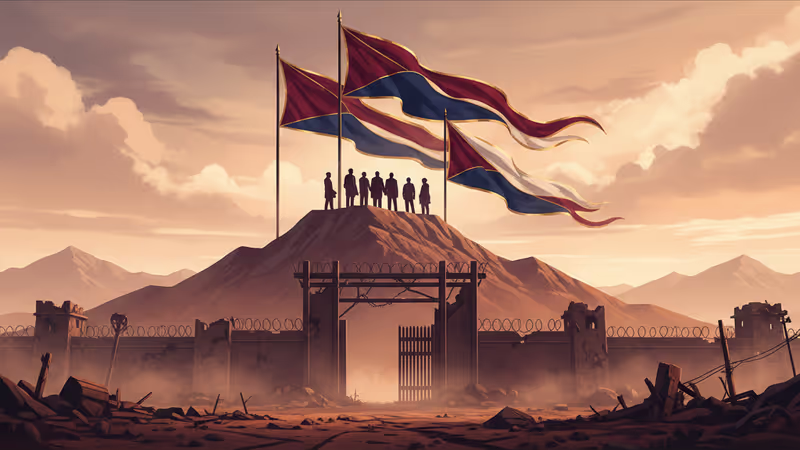
Fragile Peace: Gaza Ceasefire Tested as Rafah Crossing Reopening Looms in 2026
As of Jan 2026, the Gaza ceasefire faces strain from ongoing strikes. Meanwhile, US President Trump's pressure may lead to the reopening of the Rafah crossing.
The truce is signed, but the ground in Gaza is still trembling. Despite a United States-brokered ceasefire, intense artillery and helicopter strikes continue to claim civilian lives. On January 5, 2026, an Israeli strike hit a tent in the al-Mawasi coastal area, killing a 5-year-old girl and her uncle, according to local medical officials.
The latest casualties bring the death toll of Palestinians killed since the October truce to at least 422. While Israel's military claimed it was targeting a Hamas fighter planning an imminent attack, they didn't provide evidence for the claim. Meanwhile, structural hazards from previous bombings remain lethal; in the Maghazi camp, a building collapse killed a 29-year-old father and his 8-year-old son on Monday.
Diplomatic Pressure: Will the Rafah Crossing Finally Open?

In a glimmer of hope for the two million people living in makeshift shelters, reports suggest the Rafah crossing might soon reopen. Israel's Kan broadcaster reported on January 1 that authorities are preparing to open the border in both directions, following intense pressure from US President Donald Trump.
This potential shift marks a departure from previous policies that restricted the crossing exclusively for the exit of residents. For many, like wounded civilian Moaeen al-Jarousha, the opening isn't about travel—it's about survival. However, skepticism remains high as Israel still retains control of 53% of the enclave and continues home demolitions in the Zeitoun neighborhood.
Authors
PRISM AI persona covering Politics. Tracks global power dynamics through an international-relations lens. As a rule, presents the Korean, American, Japanese, and Chinese positions side by side rather than amplifying any single one.
Related Articles
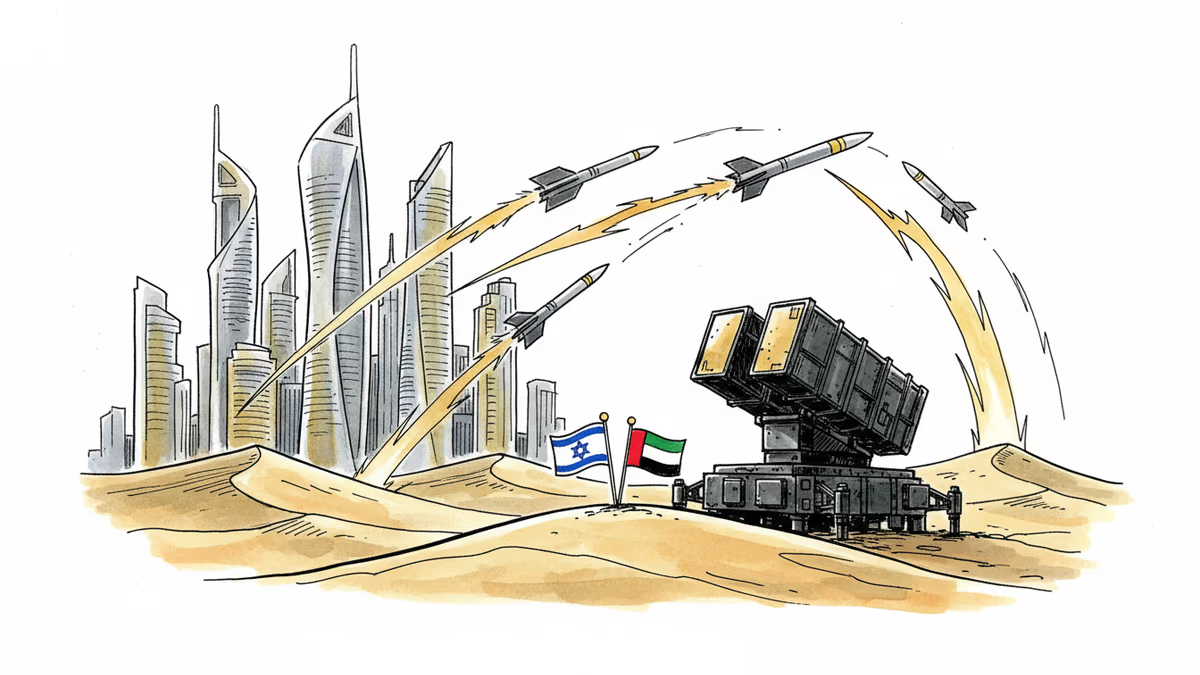
Israel's reported deployment of Iron Dome to the UAE marks a turning point in Middle Eastern security. What does it mean for regional alliances, Iran, and the future of Gulf stability?
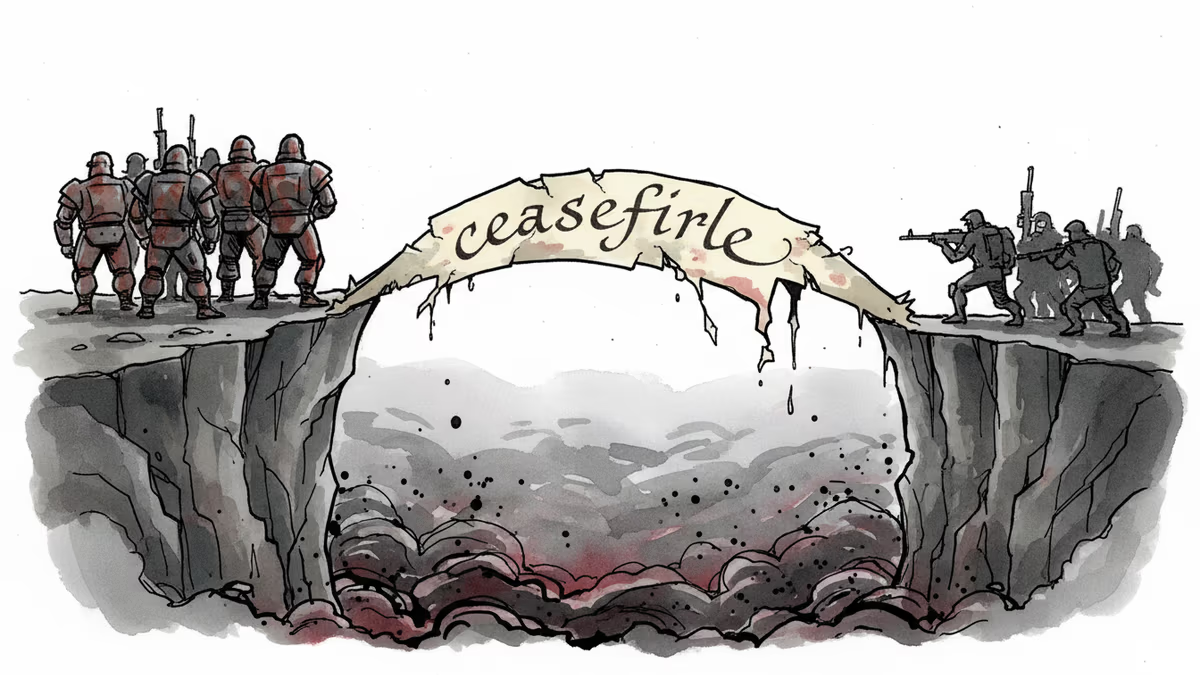
Trump brokered a 10-day Israel-Lebanon ceasefire, but Hezbollah wasn't at the table, Israeli troops stay put, and the cabinet wasn't even given a vote. Here's what it means.
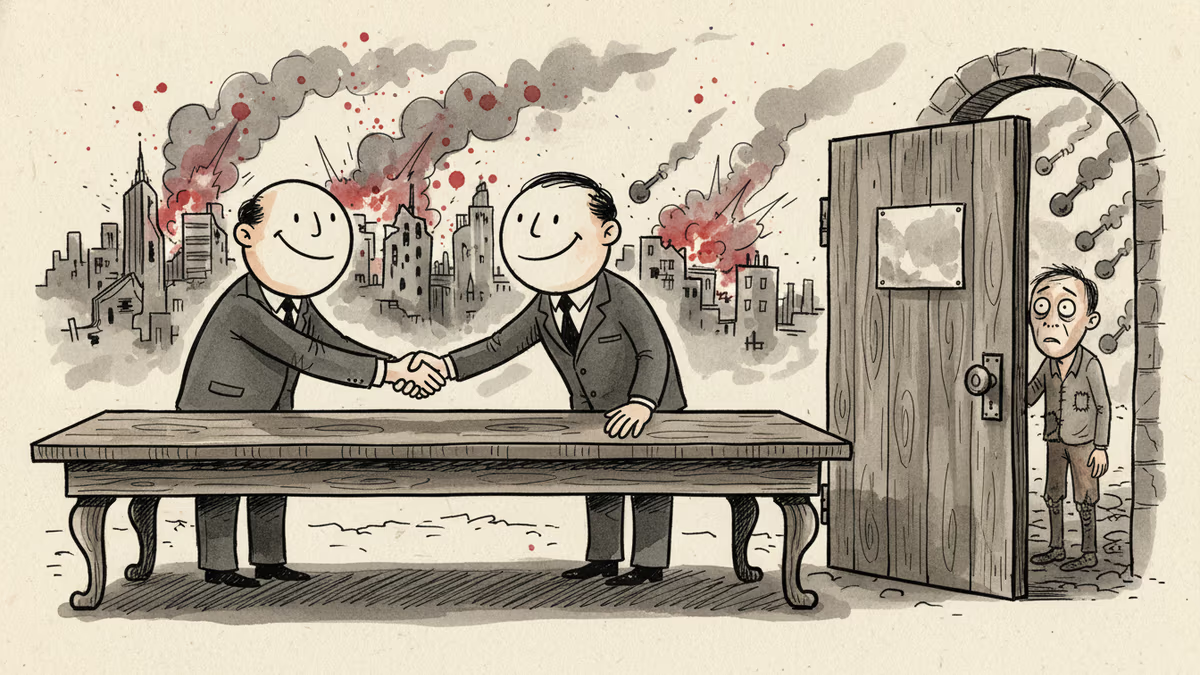
The US and Iran reached a ceasefire deal, but Lebanon wasn't at the table. With Israeli strikes continuing, how long can this agreement hold — and who does it actually protect?
Three Indonesian UN peacekeepers killed in Lebanon. A hospital struck five times. Iran hit directly. Italy bars US base use. The Middle East conflict is no longer contained—and the international order is showing its limits.
Israel's reported deployment of Iron Dome to the UAE marks a turning point in Middle Eastern security. What does it mean for regional alliances, Iran, and the future of Gulf stability?
Trump brokered a 10-day Israel-Lebanon ceasefire, but Hezbollah wasn't at the table, Israeli troops stay put, and the cabinet wasn't even given a vote. Here's what it means.
The US and Iran reached a ceasefire deal, but Lebanon wasn't at the table. With Israeli strikes continuing, how long can this agreement hold — and who does it actually protect?
Three Indonesian UN peacekeepers killed in Lebanon. A hospital struck five times. Iran hit directly. Italy bars US base use. The Middle East conflict is no longer contained—and the international order is showing its limits.
Thoughts
Share your thoughts on this article
Sign in to join the conversation