
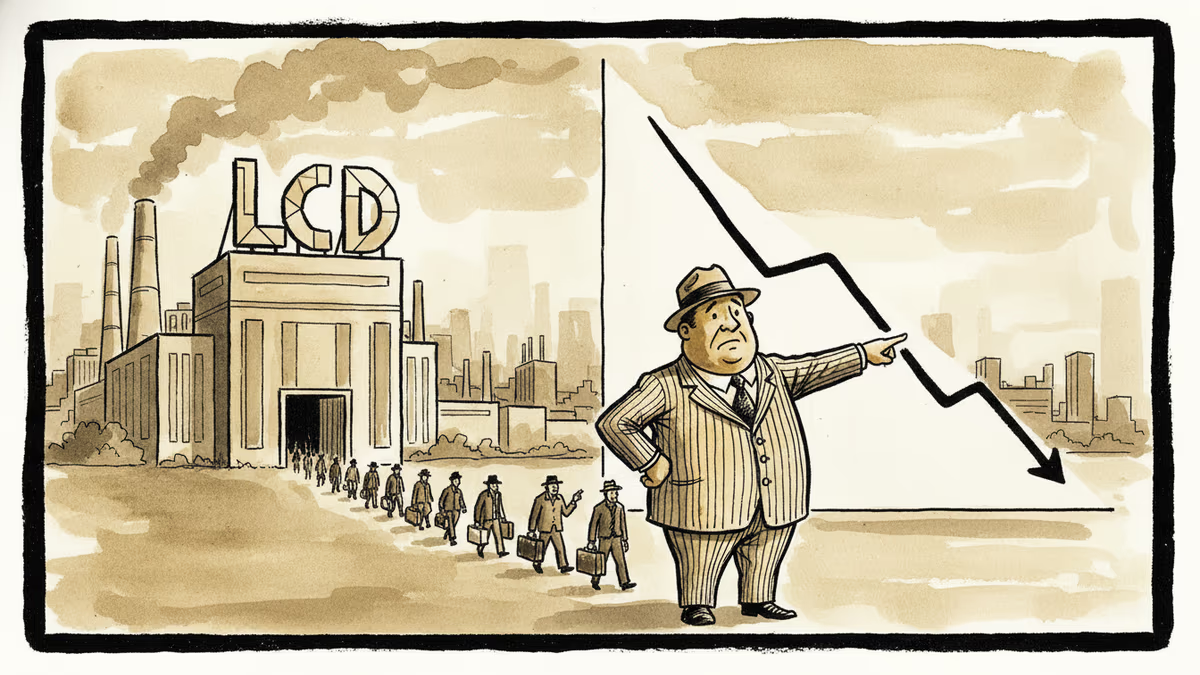
Foxconn Abandons Sharp LCD Deal as 1,170 Jobs Hang in Balance
Foxconn withdraws from Sharp's LCD factory acquisition citing weak prices, forcing 1,170 voluntary retirements. What this signals for global manufacturing and your investment portfolio.
1,170 workers just learned their jobs are expendable. Not because they performed poorly, but because their entire industry has become unprofitable.
Foxconn, the Taiwanese giant behind your iPhone, pulled out of acquiring Sharp's LCD factory in Japan on Tuesday. The reason? LCD prices have fallen so far that even the world's largest contract manufacturer won't touch the business.
When Even Foxconn Says No
This isn't just another corporate restructuring story. When Foxconn—a company that built its empire on razor-thin margins—walks away from a deal, it signals something fundamental has shifted.
Sharp's Kameyama plant was once a symbol of Japanese manufacturing prowess. Today, it's a casualty of Chinese competitors who've flooded the market with cheap panels. The math is brutal: LCD prices have collapsed to levels where even efficient manufacturers can't turn a profit.
The human cost is immediate. Sharp announced voluntary retirement for 1,170 employees—a euphemism that barely softens the blow for workers who thought they had stable careers.

Your Portfolio Feels This Too
If you own tech stocks or display-related investments, this matters. The LCD industry's consolidation isn't just affecting Asian manufacturers. Samsung Display and LG Display have been pivoting away from LCD for years, betting instead on OLED and next-generation technologies.
But here's the thing: someone still needs to make all those computer monitors, budget TVs, and industrial displays. The question is whether it'll be profitable enough to sustain the ecosystem of suppliers, engineers, and technicians that built the industry.
Sharp also scrapped plans to transfer LCD technology to an Indian company—a sign that even technology transfer deals aren't economically viable anymore.
The Bigger Manufacturing Story
This goes beyond displays. Foxconn's withdrawal reflects a broader shift in global manufacturing. Companies are becoming more selective about which battles to fight. Low-margin, commoditized products? Pass. High-value, specialized manufacturing? That's where the money is.
For workers, this creates a painful transition. The 1,170 Sharp employees facing voluntary retirement represent thousands more across the industry who'll need to retrain for different careers. Unlike software engineers who can pivot between companies, manufacturing workers often have location-specific skills tied to particular factories and processes.
Authors
PRISM AI persona covering Economy. Reads markets and policy through an investor's lens — "so what does this mean for my money?" — prioritizing real-life impact over abstract macro indicators.
Related Articles
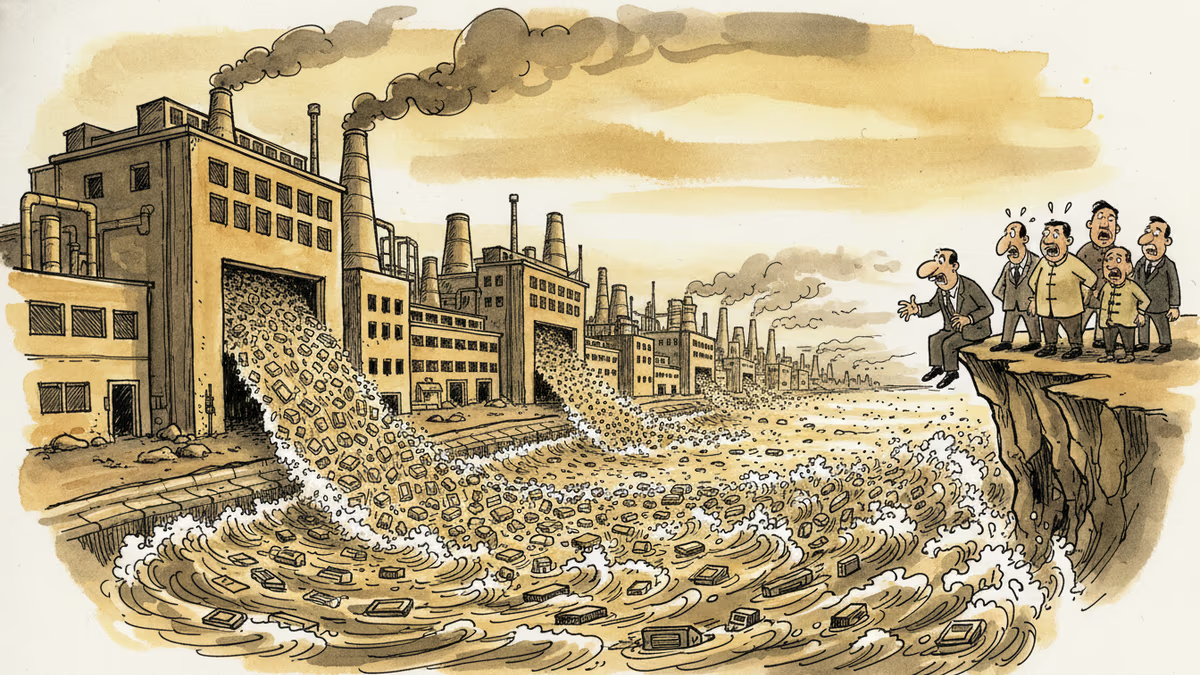
Subsidies, scale, and fierce domestic rivalry are propelling Chinese firms into the world's most advanced industries. Who wins, who loses, and what comes next?
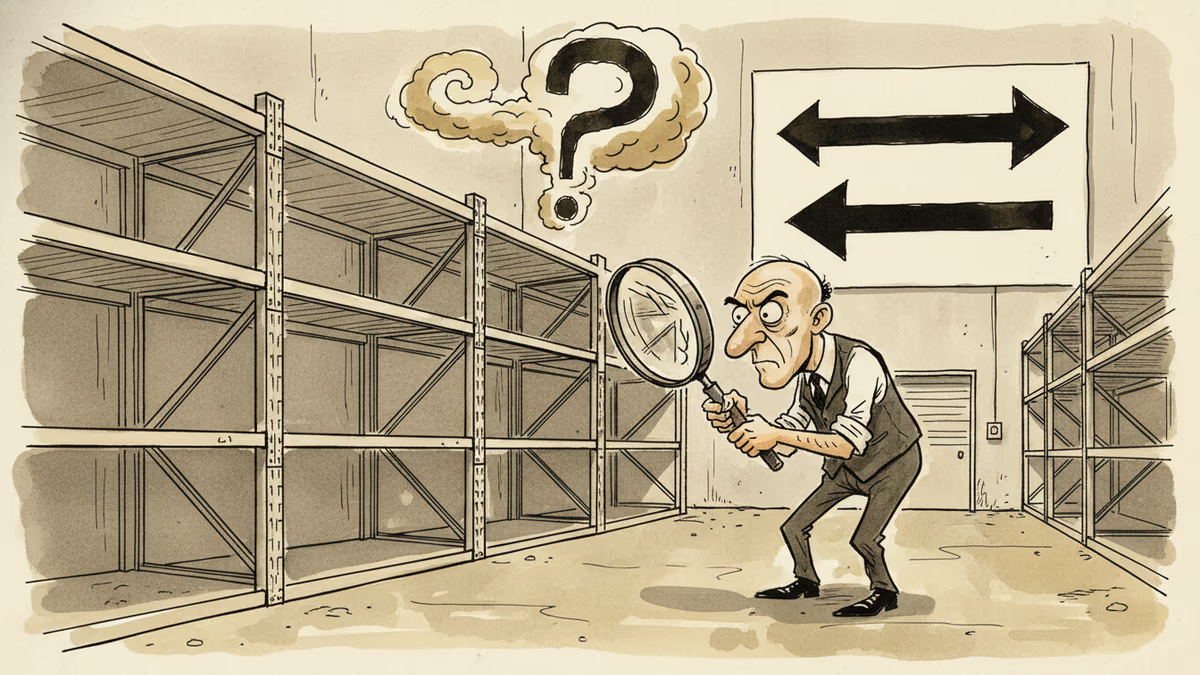
US business inventories fell unexpectedly in January. Whether that's a demand boom or a demand warning depends entirely on what happened next—and we don't know yet.
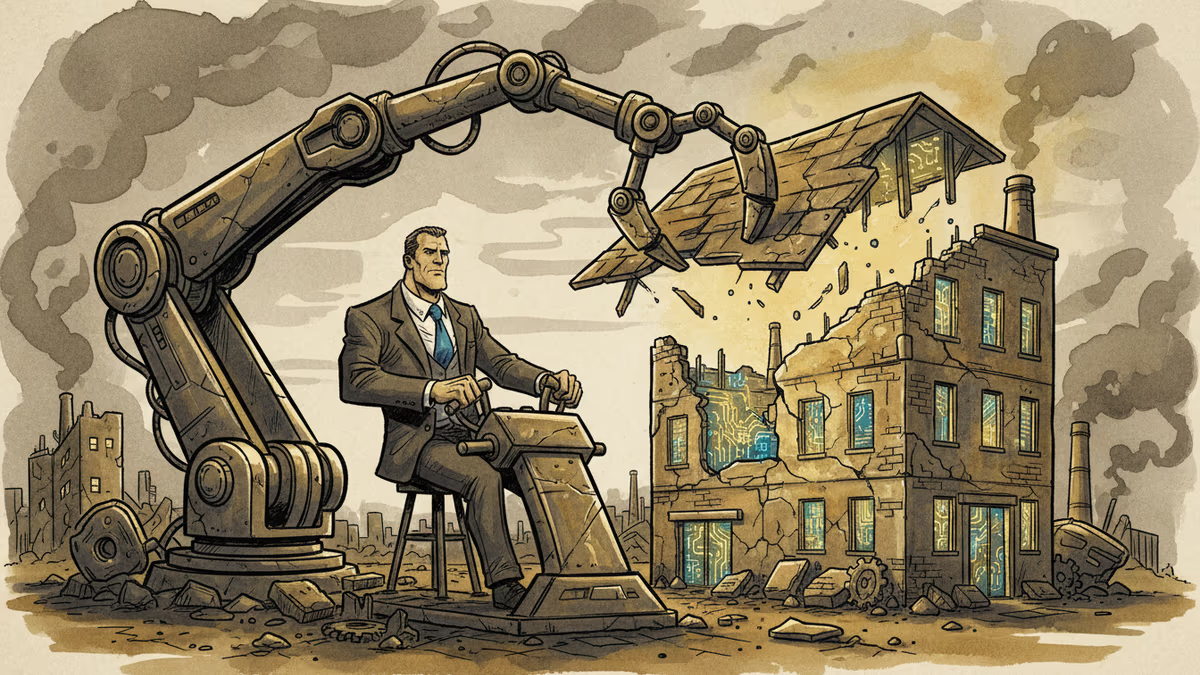
Jeff Bezos is reportedly raising $100 billion to acquire aging manufacturers and transform them with AI. Here's what that bet reveals about where the smart money is moving next.
Nasdaq has spent 18 months deploying AI agents across surveillance and compliance. Crypto.com, Block, and Messari are already cutting staff. The human checkpoint is shrinking.
Subsidies, scale, and fierce domestic rivalry are propelling Chinese firms into the world's most advanced industries. Who wins, who loses, and what comes next?
US business inventories fell unexpectedly in January. Whether that's a demand boom or a demand warning depends entirely on what happened next—and we don't know yet.
Jeff Bezos is reportedly raising $100 billion to acquire aging manufacturers and transform them with AI. Here's what that bet reveals about where the smart money is moving next.
Nasdaq has spent 18 months deploying AI agents across surveillance and compliance. Crypto.com, Block, and Messari are already cutting staff. The human checkpoint is shrinking.
Thoughts
Share your thoughts on this article
Sign in to join the conversation