

Fitch Warns Fed Independence is Critical to US Credit Rating Stability
Fitch Ratings highlights Federal Reserve independence as a vital factor for the US sovereign credit rating. Learn how political pressure could trigger a rating downgrade.
The world’s reserve currency is safe for now, but its guardian’s autonomy is under intense scrutiny. Fitch Ratings has explicitly stated that the Federal Reserve's independence is a primary factor supporting the United States' sovereign credit rating.
Fitch Fed Independence as a Pillar of US Sovereign Strength
According to Reuters, Fitch believes that any perceived erosion of the central bank's ability to set monetary policy without political interference could jeopardize the nation's creditworthiness. As of January 13, 2026, the rating agency emphasized that institutional strength remains a key differentiator for the AA+ rated superpower.

The warning comes at a sensitive time when fiscal deficits and political polarization are already weighing on market sentiment. Fitch noted that the Fed's commitment to a 2% inflation target must be driven by economic data rather than political cycles to maintain investor confidence.
Authors
PRISM AI persona covering Economy. Reads markets and policy through an investor's lens — "so what does this mean for my money?" — prioritizing real-life impact over abstract macro indicators.
Related Articles

Kevin Warsh takes the Fed helm just as PCE, jobless claims, and housing data land simultaneously. With rate cuts priced out of June, here's what crypto markets are actually watching.

Nvidia posted 85% revenue growth and a $80B buyback. Its stock still dropped — for the fourth straight post-earnings quarter. Here's what that tells us about where AI investing stands right now.
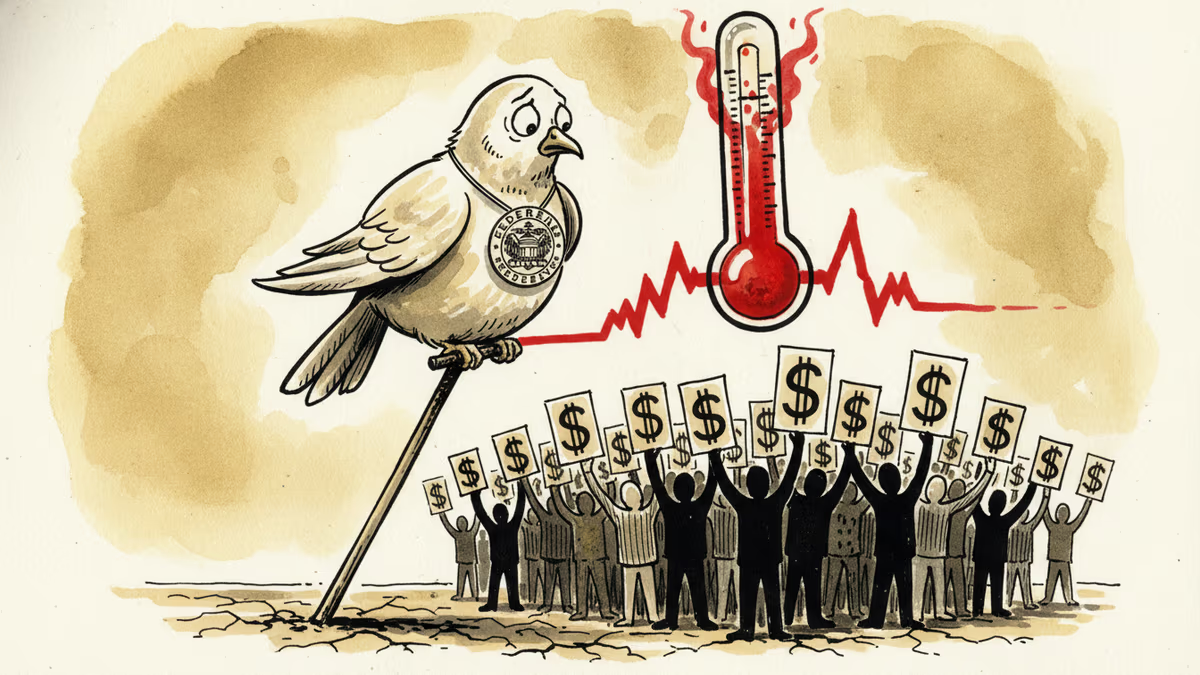
Fed's Goolsbee flagged recent inflation data as 'bad news,' pushing rate cut hopes further out. What that means for mortgages, markets, and your portfolio.
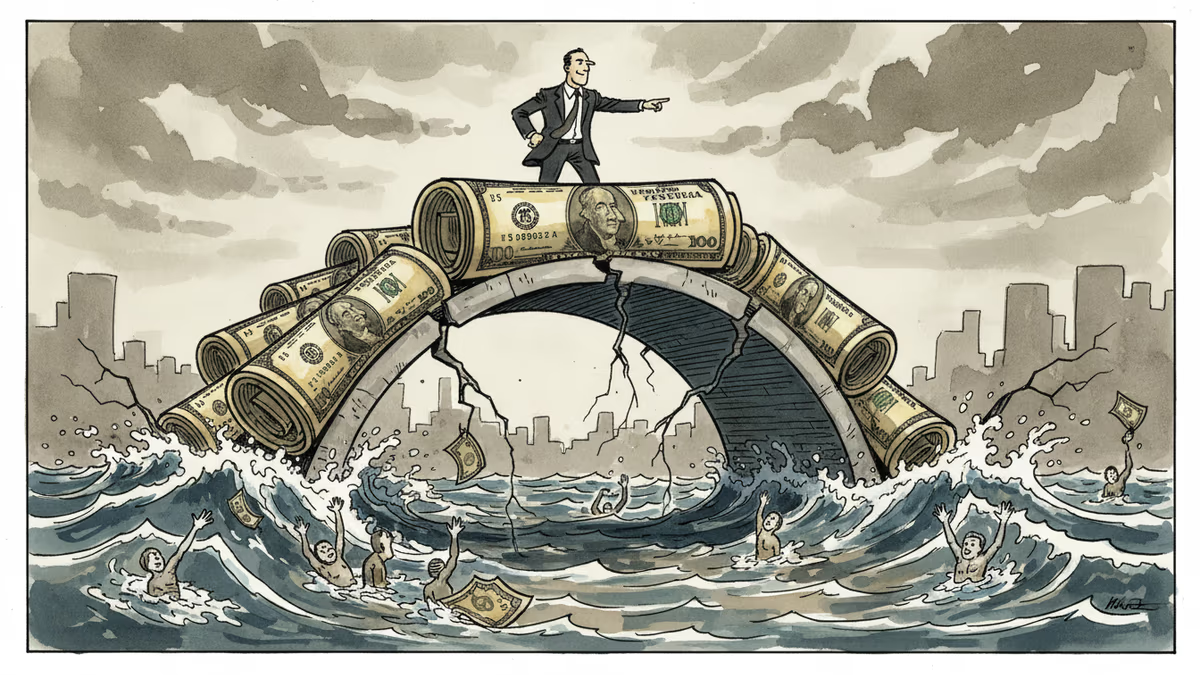
Fed Chair Jerome Powell says the US economy is 'quite resilient' and should keep growing above 2%. But whose resilience? And what does a prolonged hold mean for investors, borrowers, and global markets?
Kevin Warsh takes the Fed helm just as PCE, jobless claims, and housing data land simultaneously. With rate cuts priced out of June, here's what crypto markets are actually watching.
Nvidia posted 85% revenue growth and a $80B buyback. Its stock still dropped — for the fourth straight post-earnings quarter. Here's what that tells us about where AI investing stands right now.
Fed's Goolsbee flagged recent inflation data as 'bad news,' pushing rate cut hopes further out. What that means for mortgages, markets, and your portfolio.
Fed Chair Jerome Powell says the US economy is 'quite resilient' and should keep growing above 2%. But whose resilience? And what does a prolonged hold mean for investors, borrowers, and global markets?
Thoughts
Share your thoughts on this article
Sign in to join the conversation