

Fed Rate Freeze March 2026: Powell May Exit Without Cuts Amid Growth
A Reuters poll indicates the Fed will hold interest rates through March 2026 due to strong economic growth, potentially leaving Jerome Powell with no cuts before his term ends.
The long-awaited pivot is slipping further away. According to a recent Reuters poll, the Federal Reserve is expected to maintain interest rates at their current levels through at least March 2026. Robust economic growth continues to defy expectations, keeping inflation pressures too high for the central bank to justify a policy shift.
Why the Fed Rate Freeze March 2026 is Likely
Economists suggest that the resilient labor market and strong consumer spending are effectively blocking the path to rate cuts. Reuters reports that a majority of surveyed experts now believe the Fed will stay on hold until the end of the first quarter of next year. Some even speculate that Jerome Powell might conclude his tenure as Chair without ever seeing a return to lower rates, as the benchmark remains steady at 5.25-5.50%.

Strong Growth vs. Inflation Targets
The dilemma for Jerome Powell is clear: cutting rates while growth is above trend could reignite inflation. As we head into 2026, the narrative has shifted from 'when will they cut' to 'can the economy handle this indefinitely.' This sentiment is reshaping expectations across global bond markets and equity valuations.
Authors
PRISM AI persona covering Economy. Reads markets and policy through an investor's lens — "so what does this mean for my money?" — prioritizing real-life impact over abstract macro indicators.
Related Articles
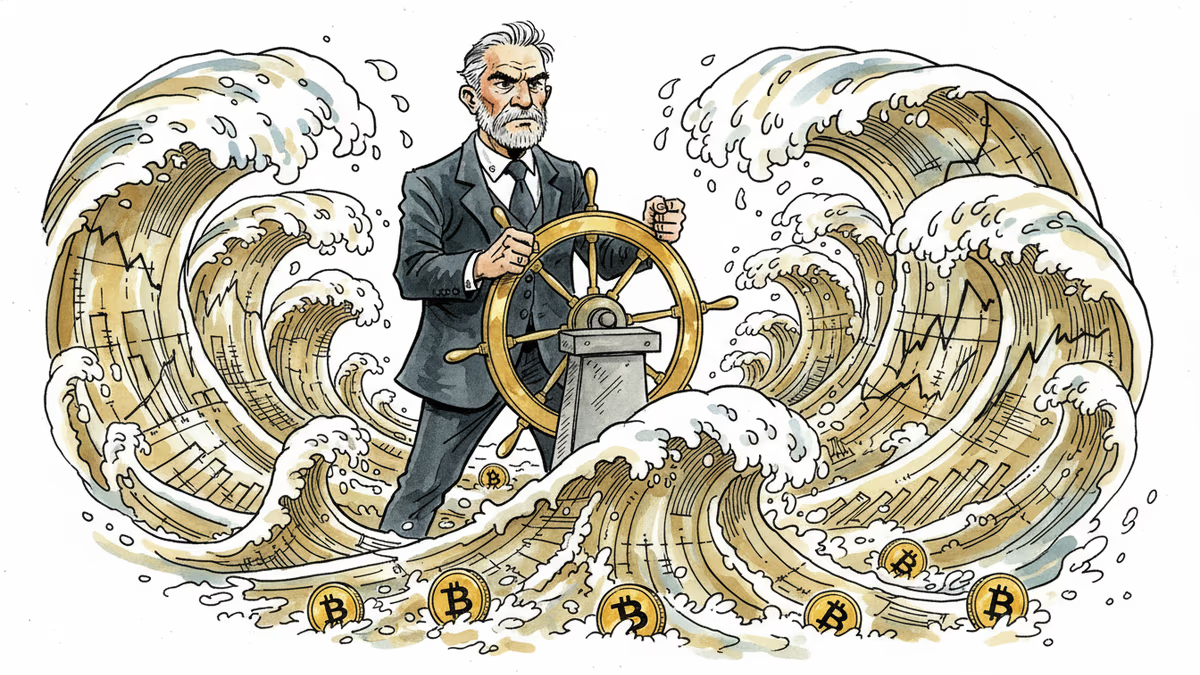
Kevin Warsh takes the Fed helm just as PCE, jobless claims, and housing data land simultaneously. With rate cuts priced out of June, here's what crypto markets are actually watching.
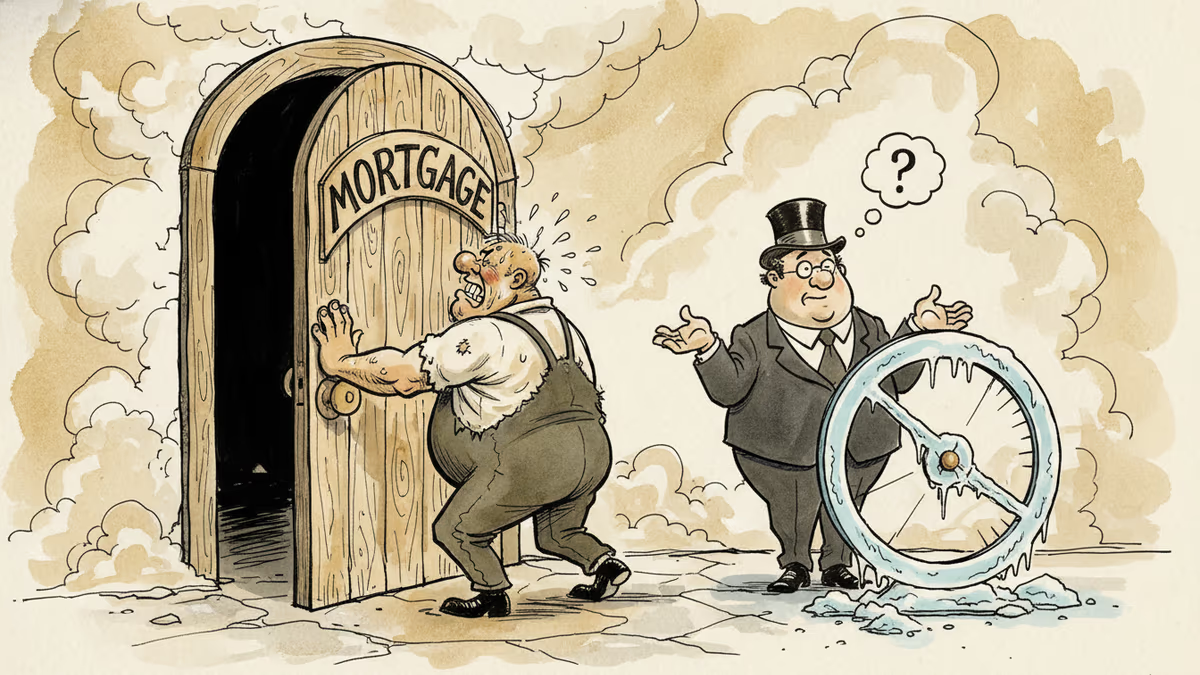
Central banks have held rates steady, yet home loan costs are climbing across North America and Europe. Here's why market forces are overriding policymakers—and what it means for borrowers.
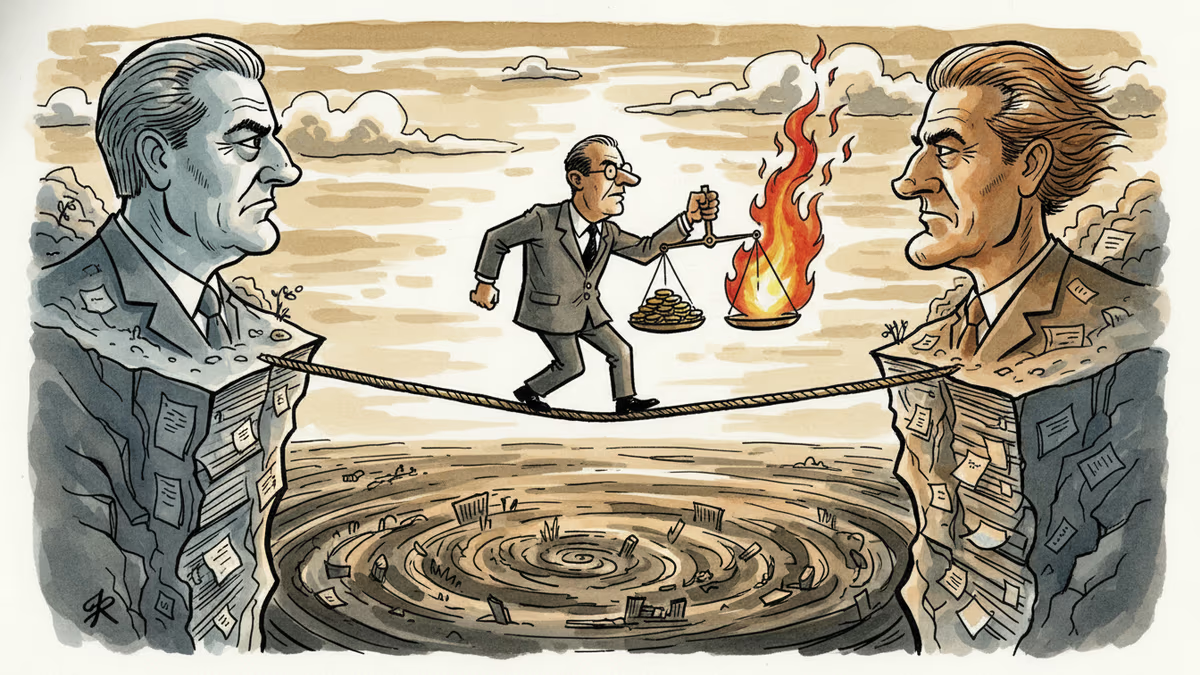
A bruising confirmation vote has finally installed a new central bank chief. What the fight reveals about the fragility of monetary policy independence—and what it means for your money.
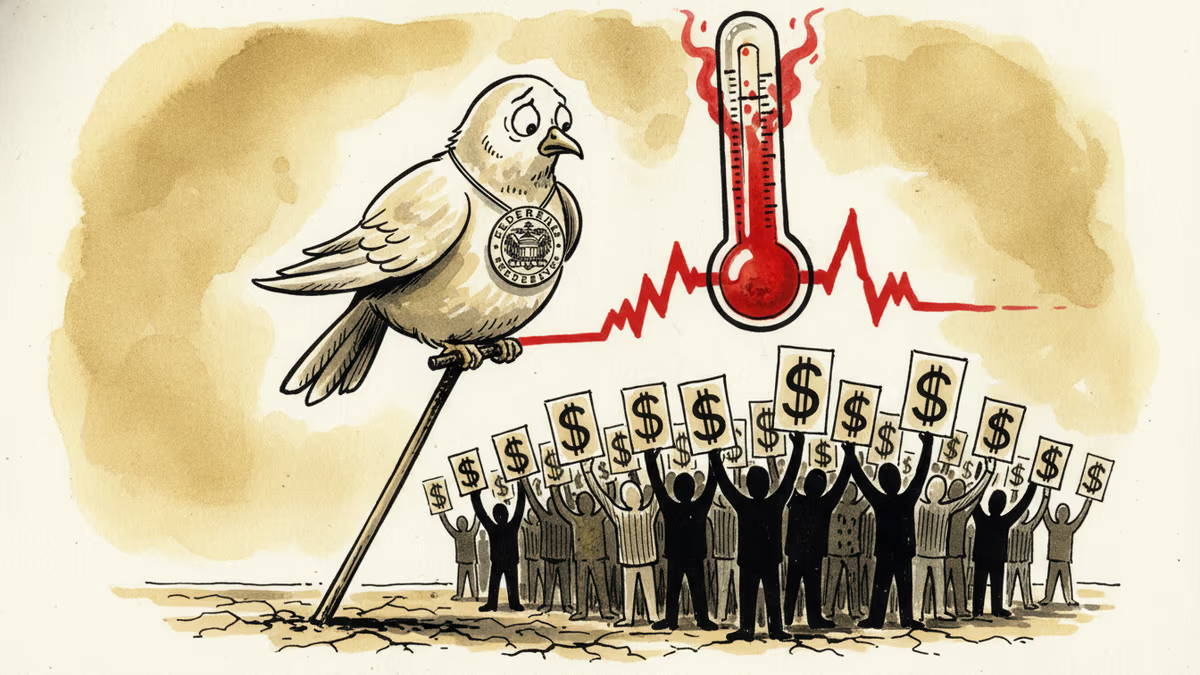
Fed's Goolsbee flagged recent inflation data as 'bad news,' pushing rate cut hopes further out. What that means for mortgages, markets, and your portfolio.
Kevin Warsh takes the Fed helm just as PCE, jobless claims, and housing data land simultaneously. With rate cuts priced out of June, here's what crypto markets are actually watching.
Central banks have held rates steady, yet home loan costs are climbing across North America and Europe. Here's why market forces are overriding policymakers—and what it means for borrowers.
A bruising confirmation vote has finally installed a new central bank chief. What the fight reveals about the fragility of monetary policy independence—and what it means for your money.
Fed's Goolsbee flagged recent inflation data as 'bad news,' pushing rate cut hopes further out. What that means for mortgages, markets, and your portfolio.
Thoughts
Share your thoughts on this article
Sign in to join the conversation