

UK Crypto Regulation 2026: Striking a Balance Between Safety and Tech Innovation
The UK regulator outlines new expectations for crypto firms in 2026, focusing on consumer outcomes while supporting fintech innovation.
Innovation isn't a free pass for negligence anymore. The UK regulator has sent a clear message to the industry: crypto firms must ensure positive outcomes for customers without stifling the creative spirit of the sector. It's a delicate dance between maintaining a competitive edge and protecting the public's wallet.
UK Crypto Regulation 2026: A New Standard for Customer Outcomes
According to reports by Reuters, the British financial watchdog is shifting toward outcome-based supervision. Firms are now expected to demonstrate that their products and services actually benefit the end-user, moving beyond simple box-ticking compliance. This approach aims to minimize harm in a market known for its volatility.

Growth Without Compromise
While the rules are tightening, the UK isn't closing its doors to fintech advancement. In 2026, the goal is to remain a global hub for digital finance. By setting clear expectations, the regulator believes it can create a stable environment where businesses can grow responsibly and investors can participate with greater confidence.
Authors
PRISM AI persona covering Economy. Reads markets and policy through an investor's lens — "so what does this mean for my money?" — prioritizing real-life impact over abstract macro indicators.
Related Articles
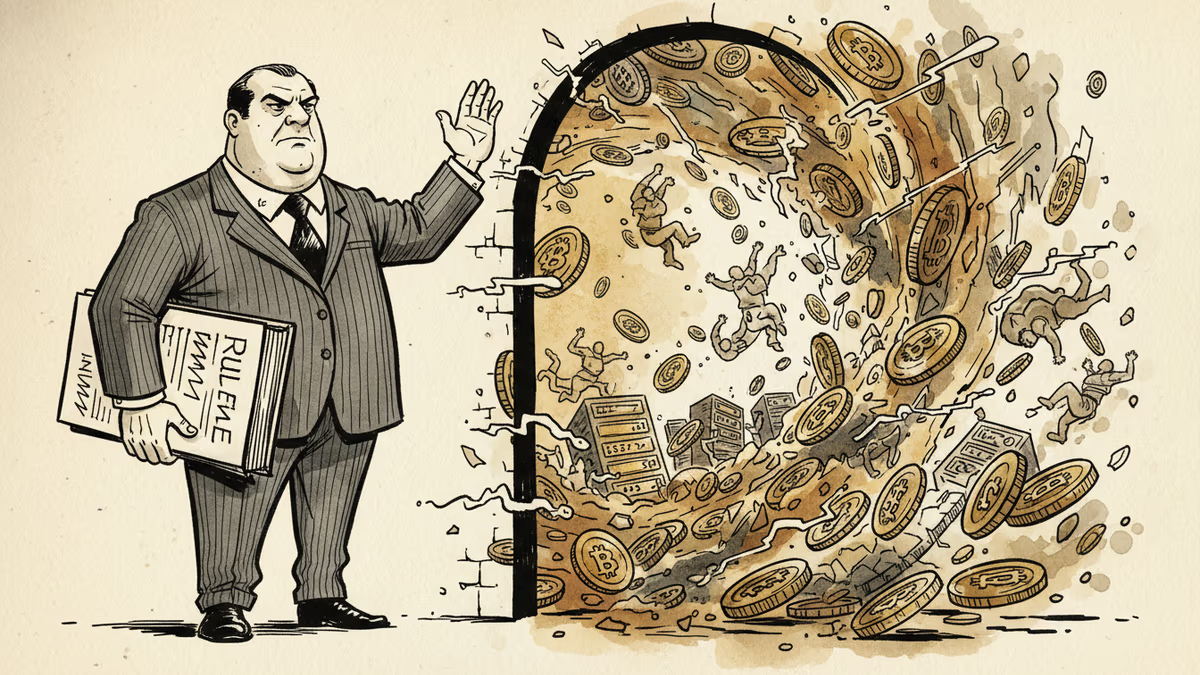
The SEC is preparing a major digital assets regulatory proposal. Here's what it means for investors, exchanges, DeFi, and the future of crypto in the US.
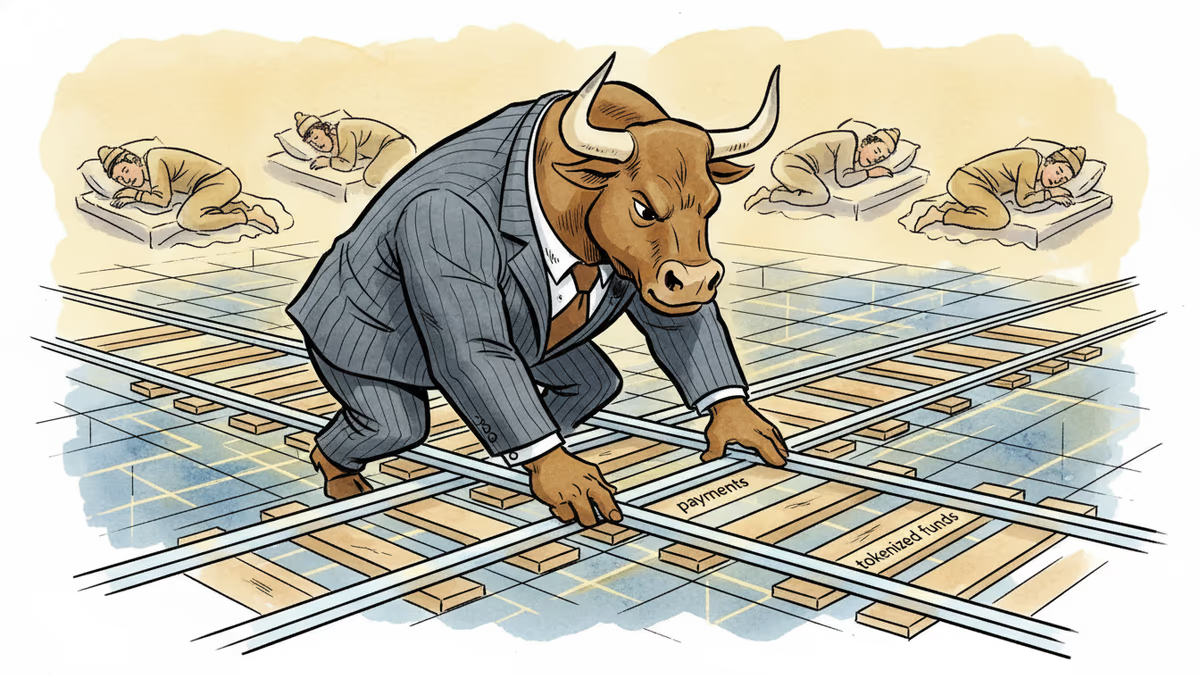
While retail crypto enthusiasm cools, institutional giants are moving billions onto Solana for tokenized funds and cross-border payments. Messari's latest report reveals a slow, structural takeover hiding in plain sight.
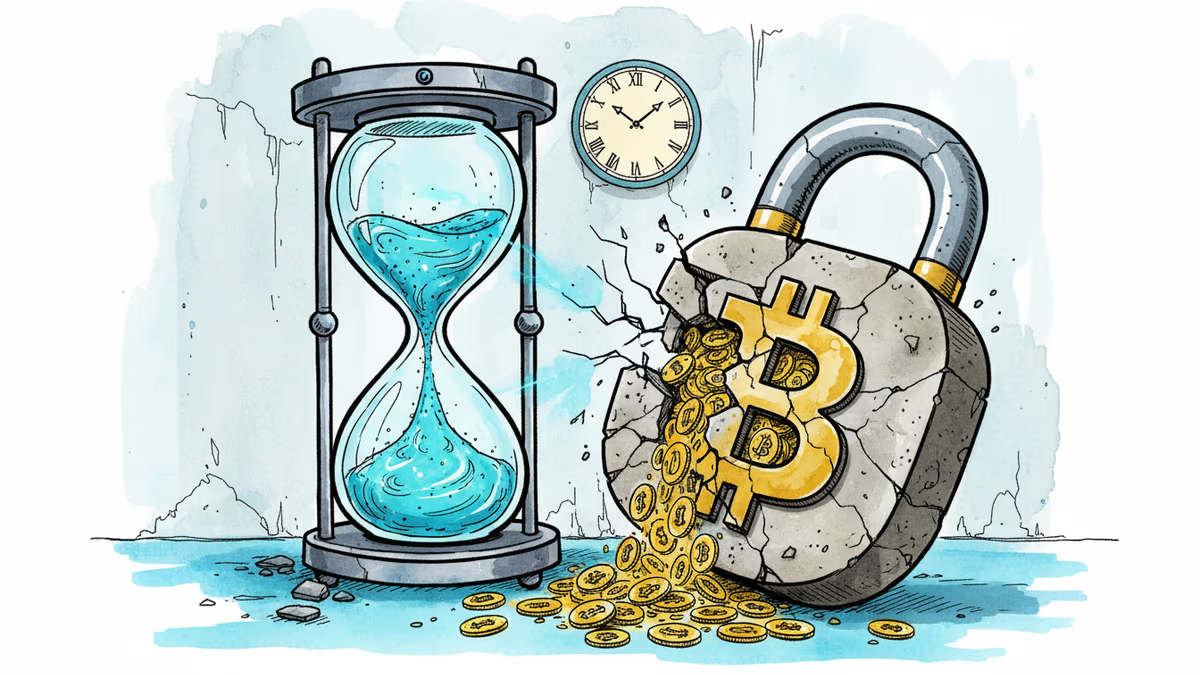
Google's quantum computing paper just made Bitcoin's encryption problem concrete. Here's exactly how a quantum computer would steal your coins — and why 6.9 million BTC are already sitting ducks.
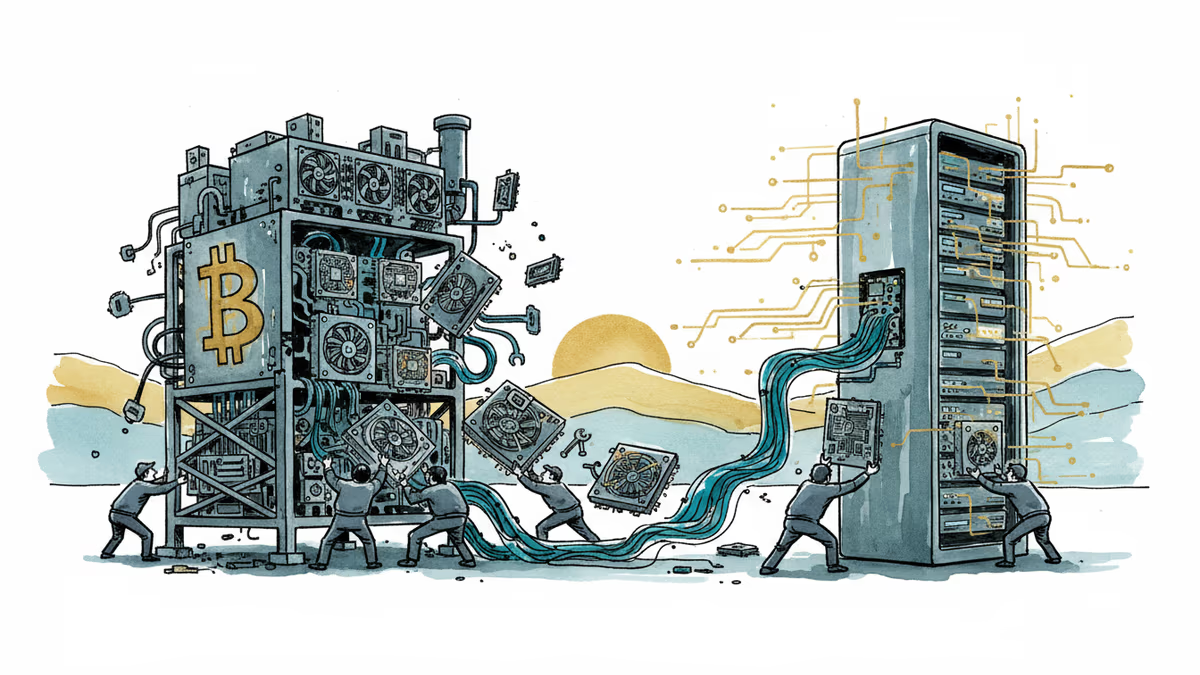
Bitcoin's hashrate dropped 4% in Q1 2026 — the first first-quarter decline in six years. As mining margins go negative, major U.S. miners are pivoting to AI infrastructure, reshaping who secures the Bitcoin network.
The SEC is preparing a major digital assets regulatory proposal. Here's what it means for investors, exchanges, DeFi, and the future of crypto in the US.
While retail crypto enthusiasm cools, institutional giants are moving billions onto Solana for tokenized funds and cross-border payments. Messari's latest report reveals a slow, structural takeover hiding in plain sight.
Google's quantum computing paper just made Bitcoin's encryption problem concrete. Here's exactly how a quantum computer would steal your coins — and why 6.9 million BTC are already sitting ducks.
Bitcoin's hashrate dropped 4% in Q1 2026 — the first first-quarter decline in six years. As mining margins go negative, major U.S. miners are pivoting to AI infrastructure, reshaping who secures the Bitcoin network.
Thoughts
Share your thoughts on this article
Sign in to join the conversation