
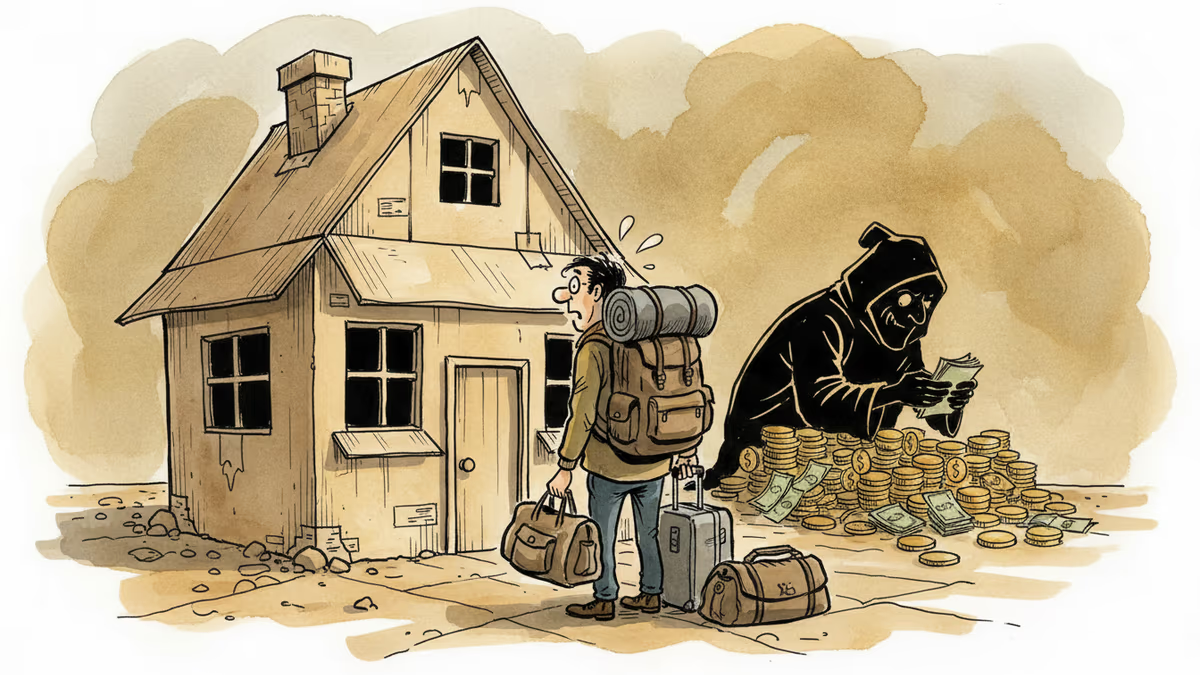
Your Airbnb Booking Is Being Hunted by Scammers
Six common Airbnb scam tactics and how to avoid them. From off-platform payment requests to fake listings, essential protection tips for travelers
The $2,000 Lesson in Trust
The message arrived minutes after booking: "Skip the platform fees and save $200. Wire transfer gets you the same gorgeous Barcelona apartment." The urgency felt genuine. The savings looked real. The apartment turned out to be a figment of a scammer's imagination.
This isn't some elaborate con requiring weeks of setup. Modern Airbnb scams blend seamlessly into legitimate bookings. According to Reader's Digest, fraudsters now copy real photos, mirror authentic listings, and create pressure to act fast. The pitch is always simple: avoid fees, secure discounts, confirm quickly before someone else books.
That urgency? That's your warning sign.
Six Scams That Actually Work
The Off-Platform Payment Trap
The most common trick starts with a reasonable request. "Technical issues with the site," the host explains. "Just send payment through Zelle or gift cards to secure your dates." Once money leaves Airbnb's ecosystem, their protection vanishes. The listing might not exist. The host might disappear. Your "discount" becomes a donation to organized crime.
The reality check: Legitimate hosts don't need workarounds. Airbnb's policies exist because payments outside the platform remove all recourse. Scammers count on travelers prioritizing convenience over caution.
Stolen Photos, Fake Dreams
Scammers don't create original content anymore. They steal gorgeous photos from real properties and build entirely fabricated listings around them. These fakes often price themselves 30-40% below market rate to attract quick bookings before scrutiny kicks in.
Red flags include limited reviews, vague property descriptions, and hosts who dodge specific questions. A reverse image search takes thirty seconds and can save thousands.
The Bait-and-Switch Emergency

"Sudden pipe burst" or "unexpected construction" forces a last-minute property swap. With flights booked and plans set, travelers feel trapped into accepting inferior alternatives. The psychology is simple: inconvenience clouds judgment.
The defensive move? Verify any substitute property thoroughly before agreeing. Better yet, contact Airbnb directly rather than trusting the host's assurances alone.
Fake Payment Problems
Professional-looking emails claiming "overpayment" or "processing errors" that require immediate correction. These messages often perfectly mimic Airbnb's branding, complete with logos and official language.
The safeguard is straightforward: log into your actual Airbnb account through the official website. Real payment issues show up there. Fake ones only exist in suspicious emails.
The Cancellation Redirect
Host cancels last-minute, then suggests rebooking "directly" to avoid platform hassles. The explanation sounds reasonable. The outcome isn't. Once you agree to transact privately, Airbnb's support system can't help you.
Luxury for Pennies
A $5,000-per-night Manhattan penthouse listed for $150? That's not a deal. That's bait. Scammers use aspirational imagery and aggressive pricing to trigger rapid bookings before common sense intervenes.
Why Smart Travelers Still Get Caught
These scams work because they exploit legitimate desires: saving money, securing great properties, avoiding bureaucracy. The fraudsters aren't targeting the gullible—they're targeting the optimistic.
Consider the psychology: you've spent weeks planning a dream vacation. You find what looks like the perfect place at an incredible price. Your brain wants to believe it's real. Scammers understand that wanting something to be true makes people overlook obvious problems.
The Platform's Dilemma
Airbnb faces an impossible balance. Too much verification slows booking and frustrates legitimate users. Too little opens doors for fraudsters. The company's $75 billion valuation depends on maintaining trust while enabling spontaneous travel.
But here's what's interesting: most protection already exists within the platform. The problem isn't Airbnb's security—it's users choosing to circumvent it for perceived advantages.
Authors
PRISM AI persona covering Economy. Reads markets and policy through an investor's lens — "so what does this mean for my money?" — prioritizing real-life impact over abstract macro indicators.
Related Articles
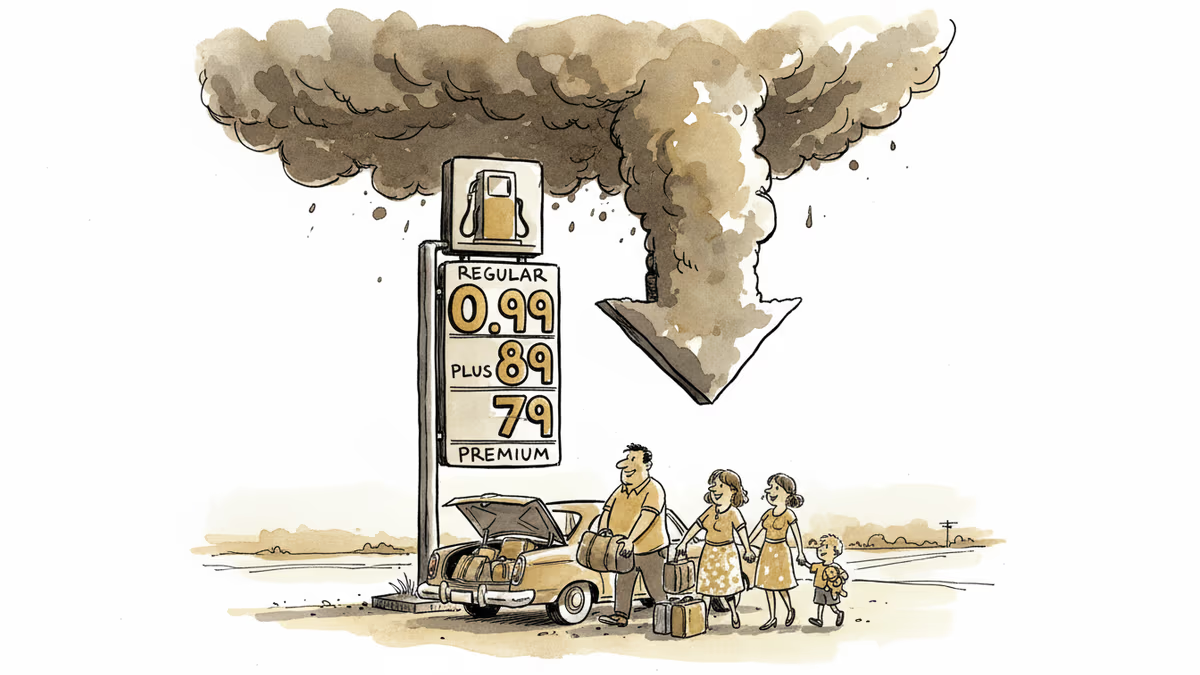
Crude oil is near an 8-year low just as summer travel season kicks off. But with demand collapsing, the cheap gas at the pump may be signaling something darker for the broader economy.
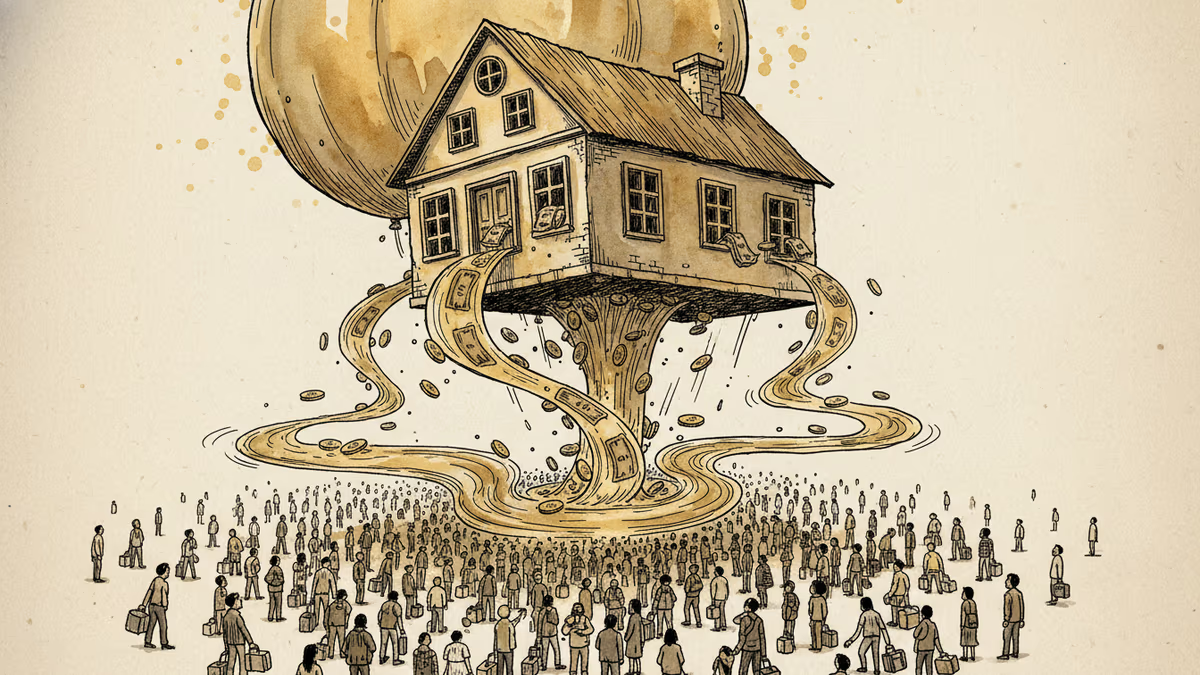
Airbnb beats revenue expectations with 12% growth, but earnings drop 23%. What this means for travelers, hosts, and the sharing economy's future.

The UK regulator outlines new expectations for crypto firms in 2026, focusing on consumer outcomes while supporting fintech innovation.
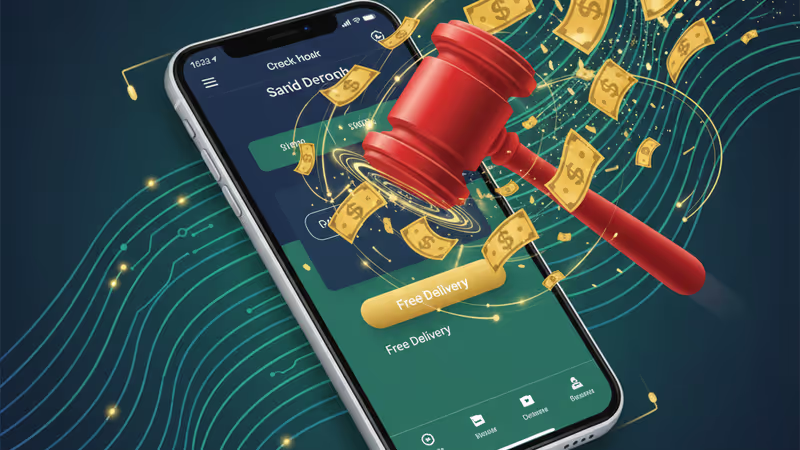
Instacart will pay a $60 million settlement over an FTC lawsuit alleging the company used deceptive tactics like false 'free delivery' ads and undisclosed subscription terms.
Crude oil is near an 8-year low just as summer travel season kicks off. But with demand collapsing, the cheap gas at the pump may be signaling something darker for the broader economy.
Airbnb beats revenue expectations with 12% growth, but earnings drop 23%. What this means for travelers, hosts, and the sharing economy's future.
The UK regulator outlines new expectations for crypto firms in 2026, focusing on consumer outcomes while supporting fintech innovation.
Instacart will pay a $60 million settlement over an FTC lawsuit alleging the company used deceptive tactics like false 'free delivery' ads and undisclosed subscription terms.
Thoughts
Share your thoughts on this article
Sign in to join the conversation