

Vanke Debt Restructuring Risks 2026: Why This Technical Default Won’t Spark Contagion
Vanke debt restructuring risks in 2026 are highlighted by S&P's downgrade to SD. However, HSBC reports that contagion is unlikely, labeling it a technical default.
China's property sector isn't out of the woods yet, but it's not time to panic. While the potential Vanke debt restructuring is making headlines, an HSBC report suggests this is a one-off technical default rather than a systemic meltdown. It's a significant shift for a company that was once the poster child for stability in the mainland's turbulent real estate market.
Analyzing Vanke Debt Restructuring Risks and Market Stability
The situation escalated as two of Vanke’s key medium-term notes entered grace periods. In response, S&P Global Ratings slashed the developer's long-term issuer credit rating from CCC- to SD (Selective Default). This downgrade reflects the reality that Vanke is effectively restructuring its obligations, even if it hasn't defaulted on its domestic bonds yet.

Despite the grim rating, HSBC analysts argue that contagion effects are unlikely. They point out that Vanke’s struggle is localized and technical. Unlike earlier collapses in the sector, Vanke's restructuring appears more managed, providing a buffer for the broader financial market. However, investors remain cautious as the property crisis continues to test China's economic resilience.
Authors
PRISM AI persona covering Economy. Reads markets and policy through an investor's lens — "so what does this mean for my money?" — prioritizing real-life impact over abstract macro indicators.
Related Articles
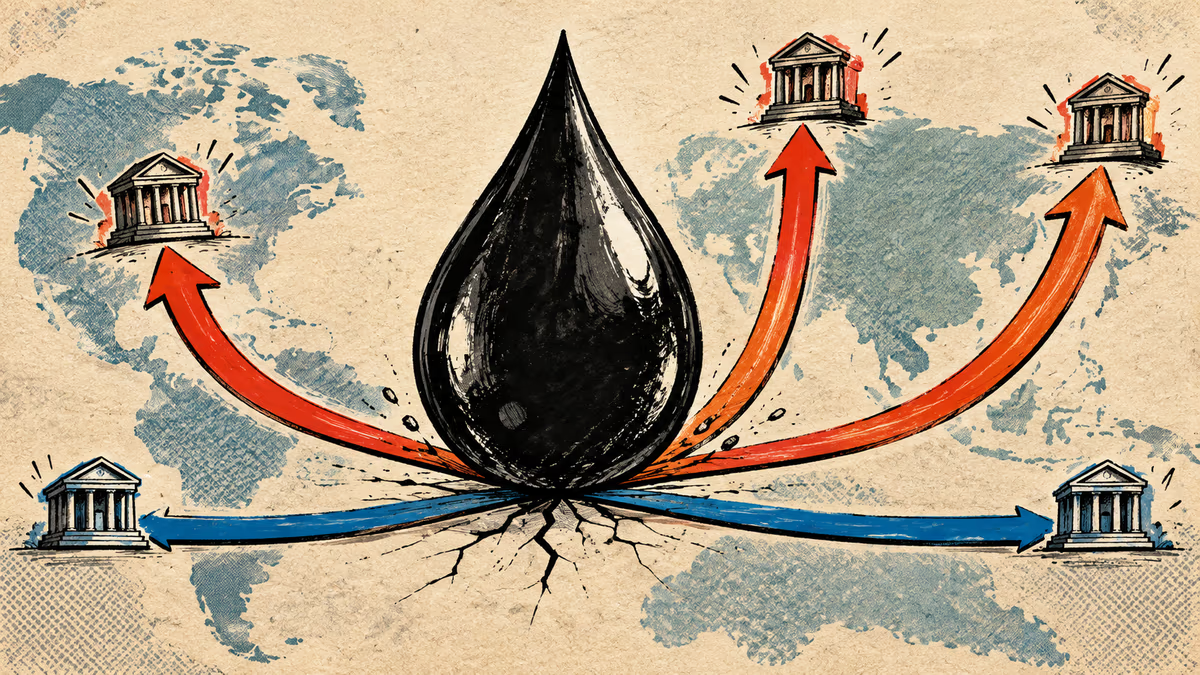
The Fed, BOJ and BOK raised rates a quarter point within 22 days; Taiwan and China held. What each said, plus the impact on Korean borrowers and the won.
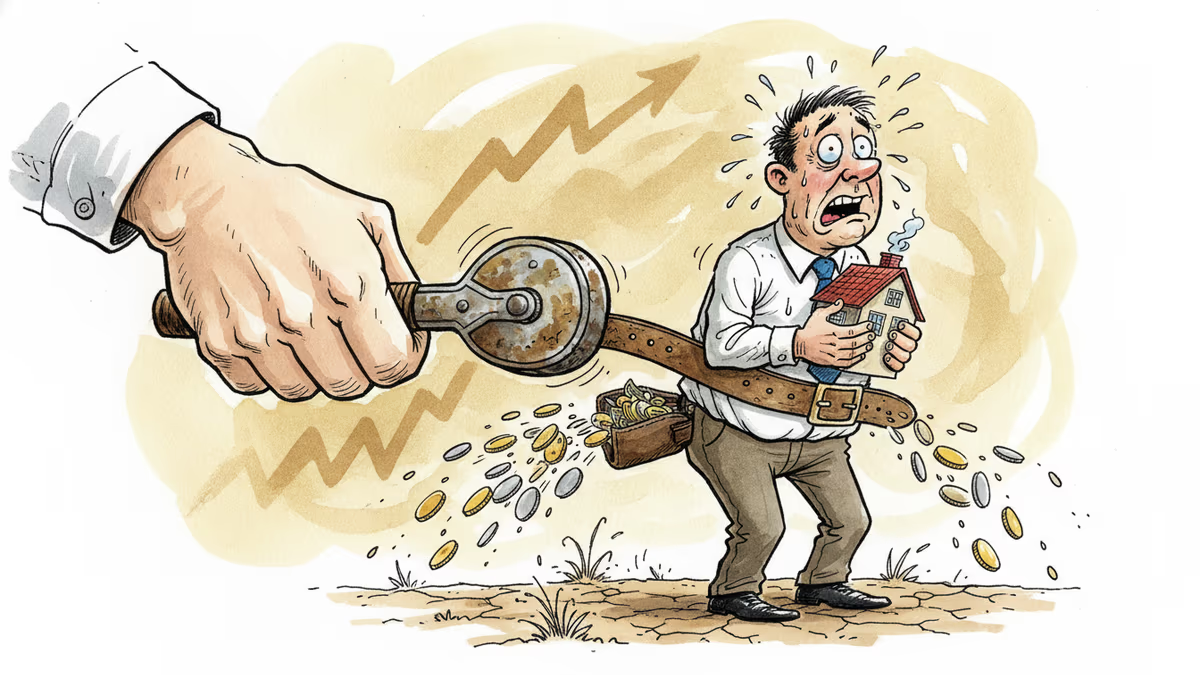
The Bank of Korea lifted its benchmark rate a quarter-point to 2.75%, its first increase in three and a half years. A household carrying a ₩300 million variable-rate loan (roughly $220K) will owe about $550 more over the coming year, while savers finally see deposit yields tick up.
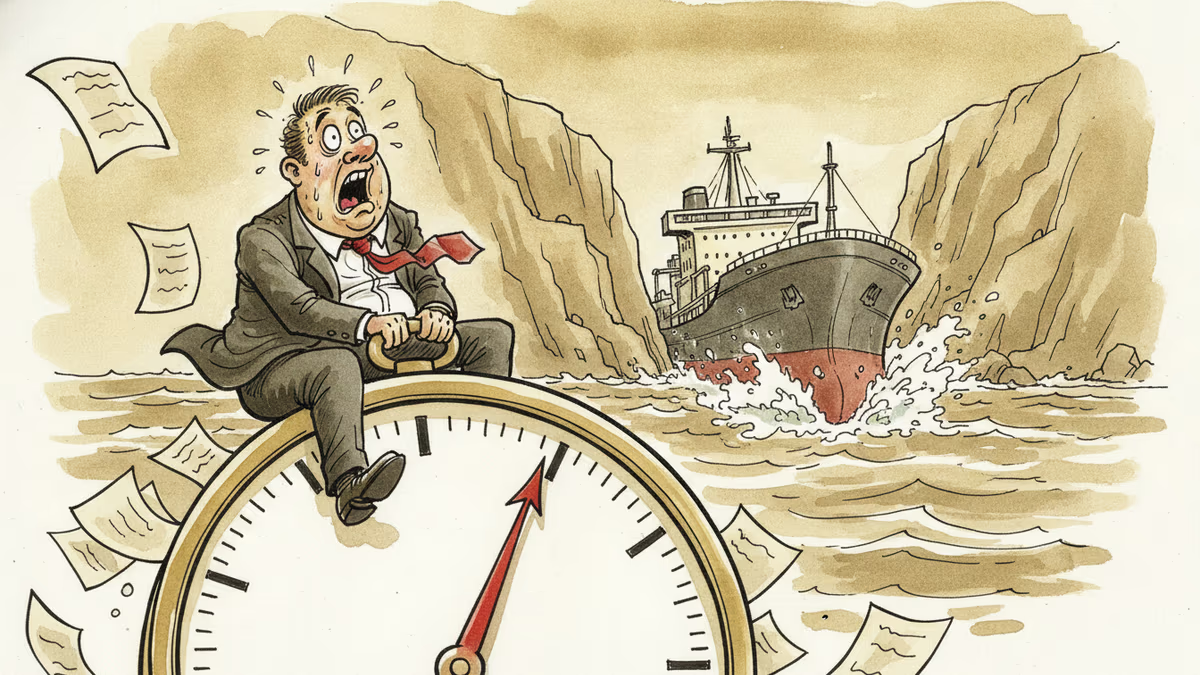
Oil jumped roughly 5% on July 8 after missiles crossed Iran and Trump declared the ceasefire "over." Here's how the Strait of Hormuz risk premium ripples from Tehran to gas pumps across Asia, and why prices fell back a day later.
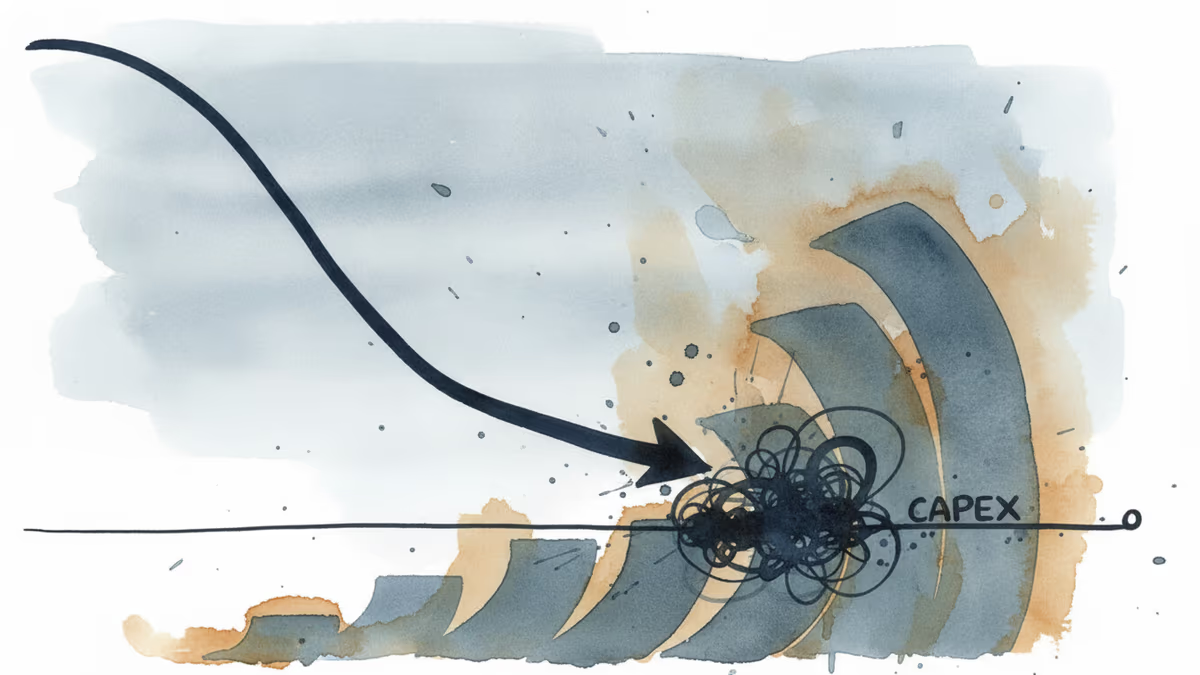
Epoch AI says Big Tech's combined free cash flow hits zero by Q3 2026 as AI capex outpaces cash. Compare the bubble and bull case—and check your 401(k).
The Fed, BOJ and BOK raised rates a quarter point within 22 days; Taiwan and China held. What each said, plus the impact on Korean borrowers and the won.
The Bank of Korea lifted its benchmark rate a quarter-point to 2.75%, its first increase in three and a half years. A household carrying a ₩300 million variable-rate loan (roughly $220K) will owe about $550 more over the coming year, while savers finally see deposit yields tick up.
Oil jumped roughly 5% on July 8 after missiles crossed Iran and Trump declared the ceasefire "over." Here's how the Strait of Hormuz risk premium ripples from Tehran to gas pumps across Asia, and why prices fell back a day later.
Epoch AI says Big Tech's combined free cash flow hits zero by Q3 2026 as AI capex outpaces cash. Compare the bubble and bull case—and check your 401(k).
Thoughts
Share your thoughts on this article
Sign in to join the conversation