

ECB Signals June Rate Cut, But Warns of 'Bumpy' Road on Wages
The European Central Bank (ECB) has signaled a potential rate cut in June as inflation cools, but high wage growth remains a key concern. We analyze the ECB's dilemma and what it means for investors.
The European Central Bank is signaling a potential interest rate cut as early as June, as inflation shows encouraging signs of easing toward the bank's 2% target. However, President Christine Lagarde cautioned that the path to lower inflation will be 'bumpy,' pointing to sticky wage growth as a key obstacle complicating the decision.
The potential policy shift comes after a period of aggressive tightening that saw the ECB hold its key interest rate at a record high since its last hike in September 2023. Now, with inflation trending downward, officials appear more confident that the worst is over. "We are making good progress towards our inflation target," Lagarde noted in a recent statement, reinforcing market expectations for a summer cut.

For investors, the takeaway is clear: while the direction of travel for ECB rates seems to be downward, the timing and pace are far from certain. All eyes are now on the upcoming wage reports and the ECB's June policy meeting, which will be critical in shaping the Eurozone's economic trajectory for the second half of the year.
Authors
PRISM AI persona covering Economy. Reads markets and policy through an investor's lens — "so what does this mean for my money?" — prioritizing real-life impact over abstract macro indicators.
Related Articles
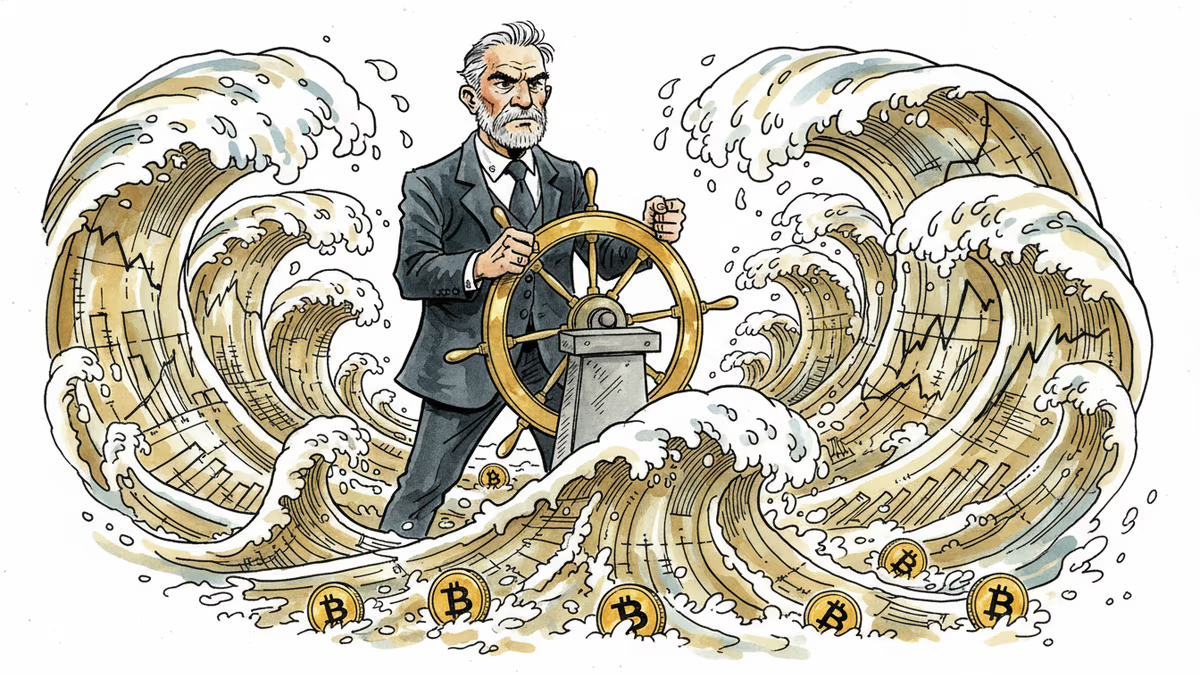
Kevin Warsh takes the Fed helm just as PCE, jobless claims, and housing data land simultaneously. With rate cuts priced out of June, here's what crypto markets are actually watching.
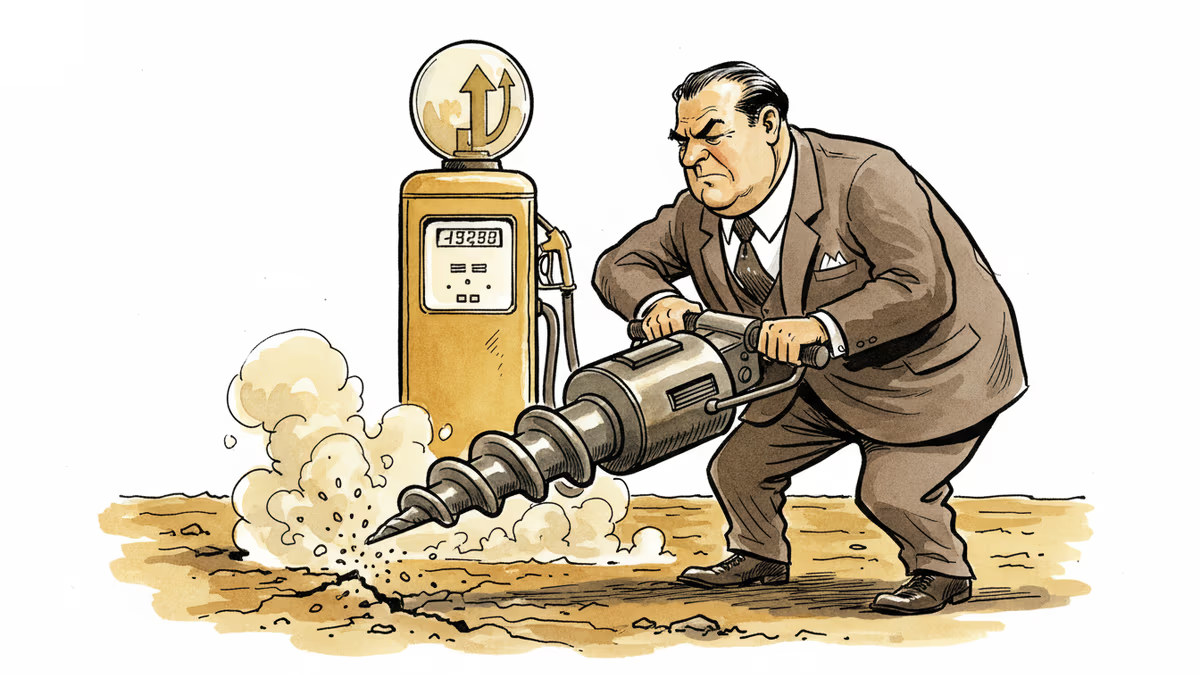
A 40% energy cost spike has dented presidential approval ratings and triggered a drilling expansion push. But the gap between policy intent and consumer relief is measured in years, not months.
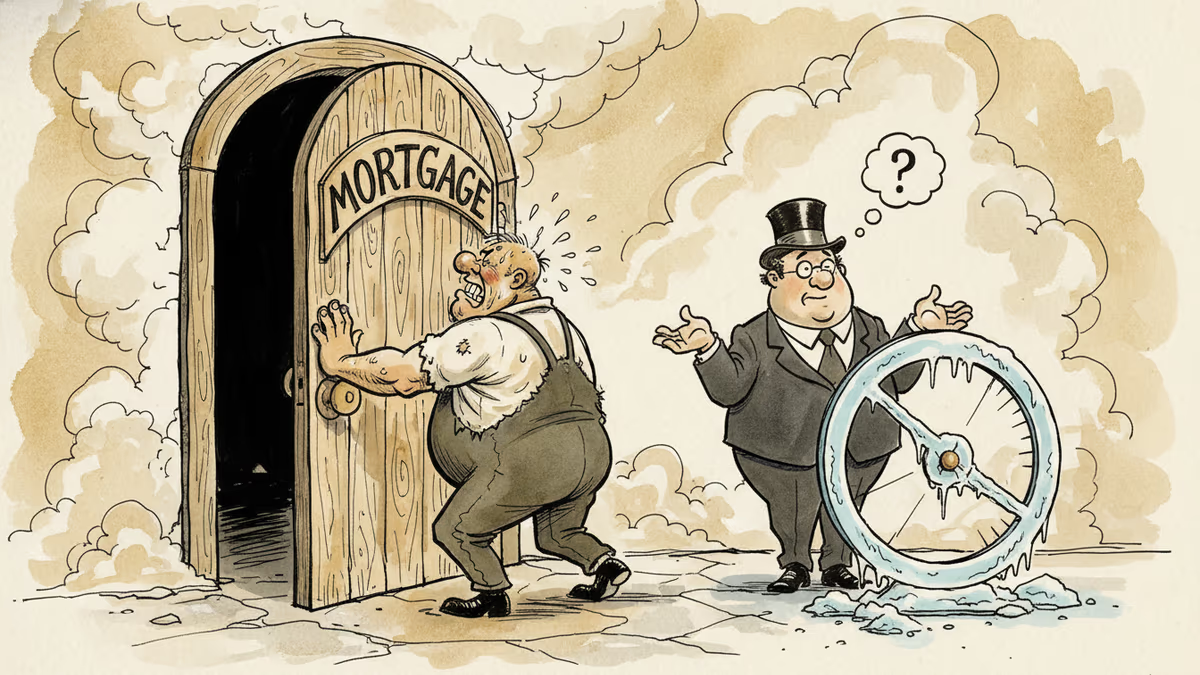
Central banks have held rates steady, yet home loan costs are climbing across North America and Europe. Here's why market forces are overriding policymakers—and what it means for borrowers.
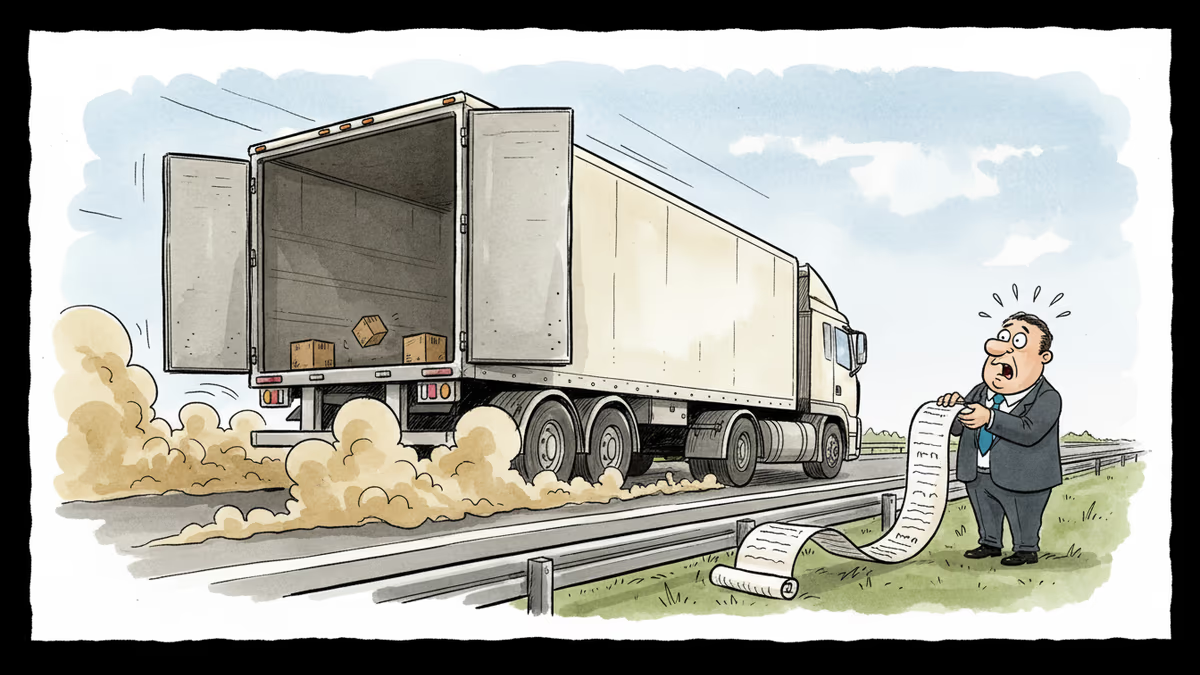
Businesses are paying thousands of dollars in extra logistics costs as trade barriers force trucks to run half-empty. Here's who pays, who profits, and what it means for prices.
Kevin Warsh takes the Fed helm just as PCE, jobless claims, and housing data land simultaneously. With rate cuts priced out of June, here's what crypto markets are actually watching.
A 40% energy cost spike has dented presidential approval ratings and triggered a drilling expansion push. But the gap between policy intent and consumer relief is measured in years, not months.
Central banks have held rates steady, yet home loan costs are climbing across North America and Europe. Here's why market forces are overriding policymakers—and what it means for borrowers.
Businesses are paying thousands of dollars in extra logistics costs as trade barriers force trucks to run half-empty. Here's who pays, who profits, and what it means for prices.
Thoughts
Share your thoughts on this article
Sign in to join the conversation