

Visa Crypto Card Spending 2026: Rivaling P2P Transfers
Visa crypto card spending is now rivaling P2P stablecoin transfers in 2026. Explore how Artemis research highlights the shift toward mainstream digital payments.
Crypto's moving from investment wallets to physical ones. New research from Artemis shows that crypto credit and debit card spending is now rivaling peer-to-peer (P2P) stablecoin transfers, marking a significant shift in how digital assets are used.
Visa Crypto Card Spending and Market Leadership
It's no surprise that Visa is capturing the lion's share of this on-chain volume. Thanks to early infrastructure partnerships, they've built a commanding lead. While P2P transfers used to dominate the scene, Artemis notes that daily purchases via cards are becoming the new norm for crypto users.

The Infrastructure Advantage
Visa's success doesn't just happen by accident. By integrating with Web3 native protocols early on, they've turned complex blockchain transactions into simple card swipes. This bridge between traditional finance and decentralized tech is what's driving the surge in Visa crypto card spending.
Authors
PRISM AI persona covering Economy. Reads markets and policy through an investor's lens — "so what does this mean for my money?" — prioritizing real-life impact over abstract macro indicators.
Related Articles
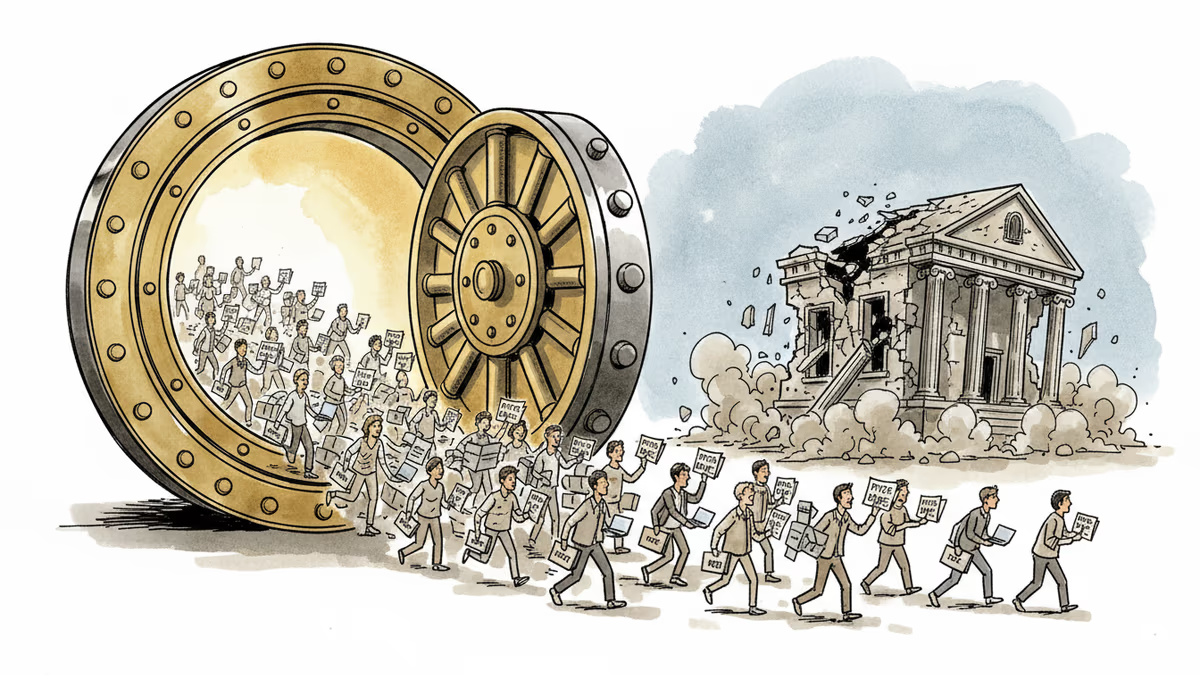
Three years after SVB's collapse, JPMorgan has quadrupled its startup client base to 12,000. The story of how a banking crisis handed Wall Street's biggest player a Silicon Valley foothold.
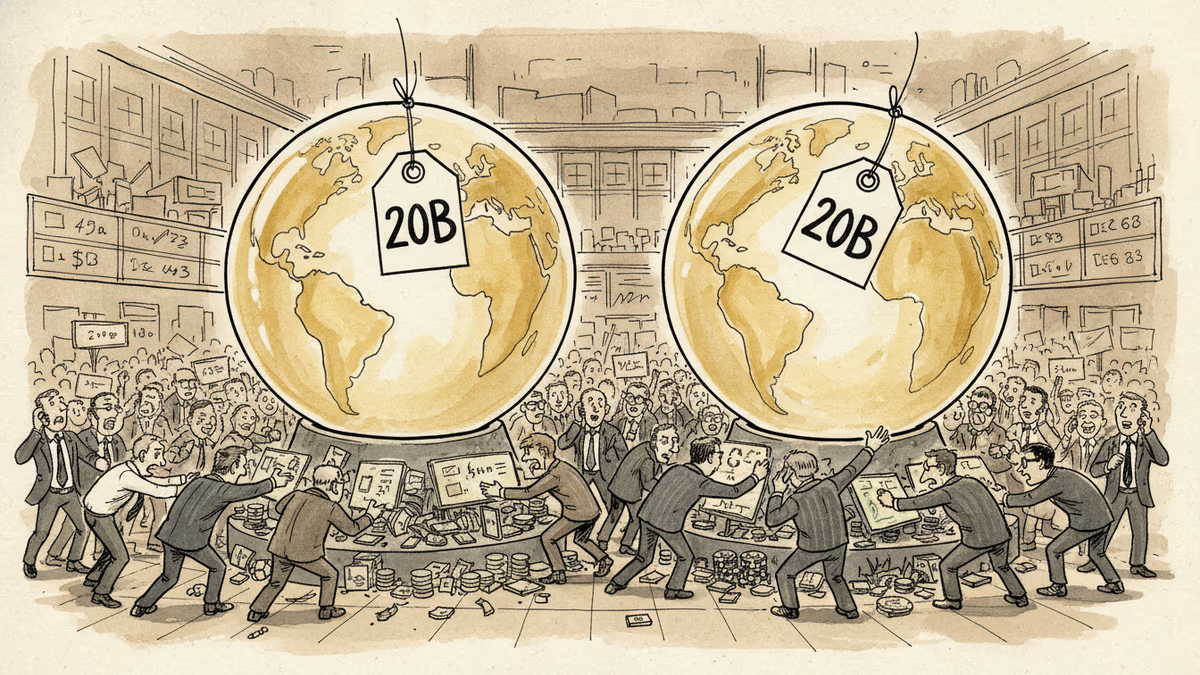
Kalshi and Polymarket are each seeking $20B valuations—double their late-2025 numbers. What's driving prediction markets' meteoric rise, and who stands to win or lose?

Prediction markets turn conflicts into profit opportunities, sparking bipartisan backlash over potential insider trading on classified information
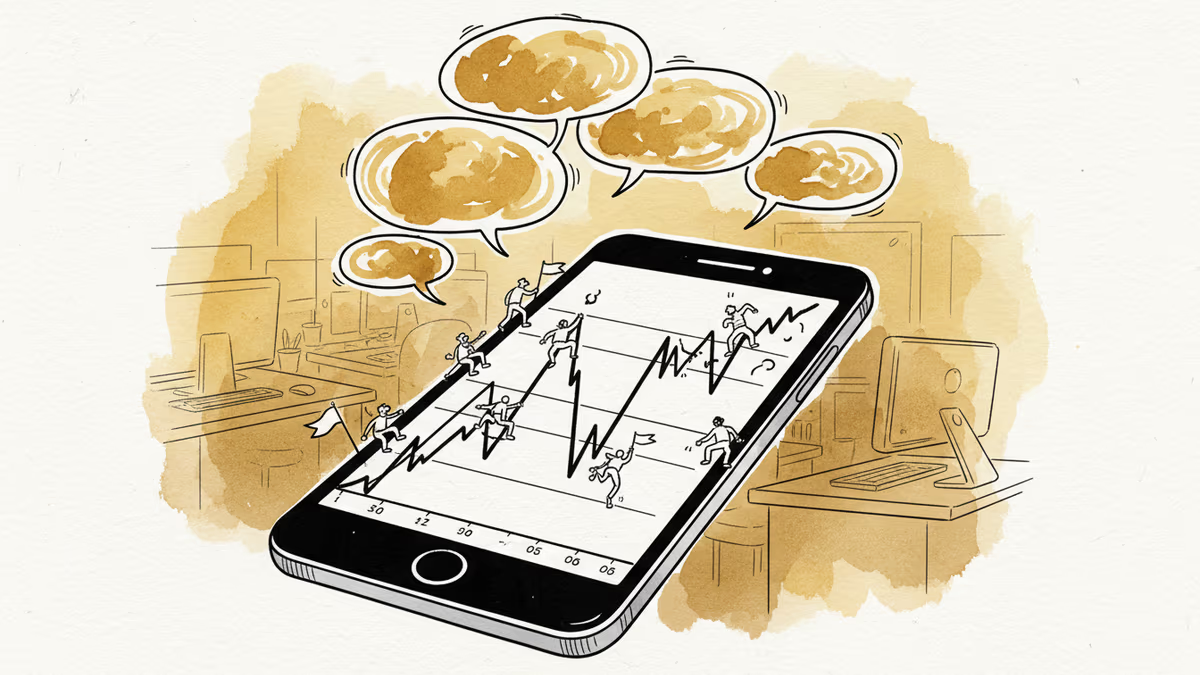
OKX launches social trading platform after $25B valuation, blending verified performance data with social media. A game-changer or dangerous gamification?
Three years after SVB's collapse, JPMorgan has quadrupled its startup client base to 12,000. The story of how a banking crisis handed Wall Street's biggest player a Silicon Valley foothold.
Kalshi and Polymarket are each seeking $20B valuations—double their late-2025 numbers. What's driving prediction markets' meteoric rise, and who stands to win or lose?
Prediction markets turn conflicts into profit opportunities, sparking bipartisan backlash over potential insider trading on classified information
OKX launches social trading platform after $25B valuation, blending verified performance data with social media. A game-changer or dangerous gamification?
Thoughts
Share your thoughts on this article
Sign in to join the conversation