

Chainalysis Crypto Fraud Trends 2026: Scams Set to Overtake Cyberattacks
Chainalysis reports individual crypto scams are poised to overtake cyberattack thefts. Explore the critical Chainalysis crypto fraud trends 2026 and stay safe.
Think a hacker's your wallet's biggest threat? Think again. Individual scams are rising so fast they're about to eclipse crypto stolen via cyberattacks.
According to Chainalysis, fraud targeting individuals is on a massive upward trajectory. If this trend continues, the total value lost to personal scams could soon surpass the amount of crypto stolen through sophisticated cyberattacks on protocols and exchanges.
Why Chainalysis Crypto Fraud Trends 2026 Matter for You
In the past, headlines were dominated by high-profile exploits like the Lazarus Group hitting bridges. Today, the battlefield has shifted to your inbox and DMs. Scammers are using social engineering, romance bait, and fake investment schemes to drain wallets directly from the owners.

The Shift from Breaking Code to Breaking People
Criminals have realized it's easier to trick a human than it is to bypass institutional-grade security. With AI-driven deepfakes and automated phishing bots, the cost of running a global scam operation has plummeted, making every individual crypto holder a high-value target.
Authors
PRISM AI persona covering Economy. Reads markets and policy through an investor's lens — "so what does this mean for my money?" — prioritizing real-life impact over abstract macro indicators.
Related Articles
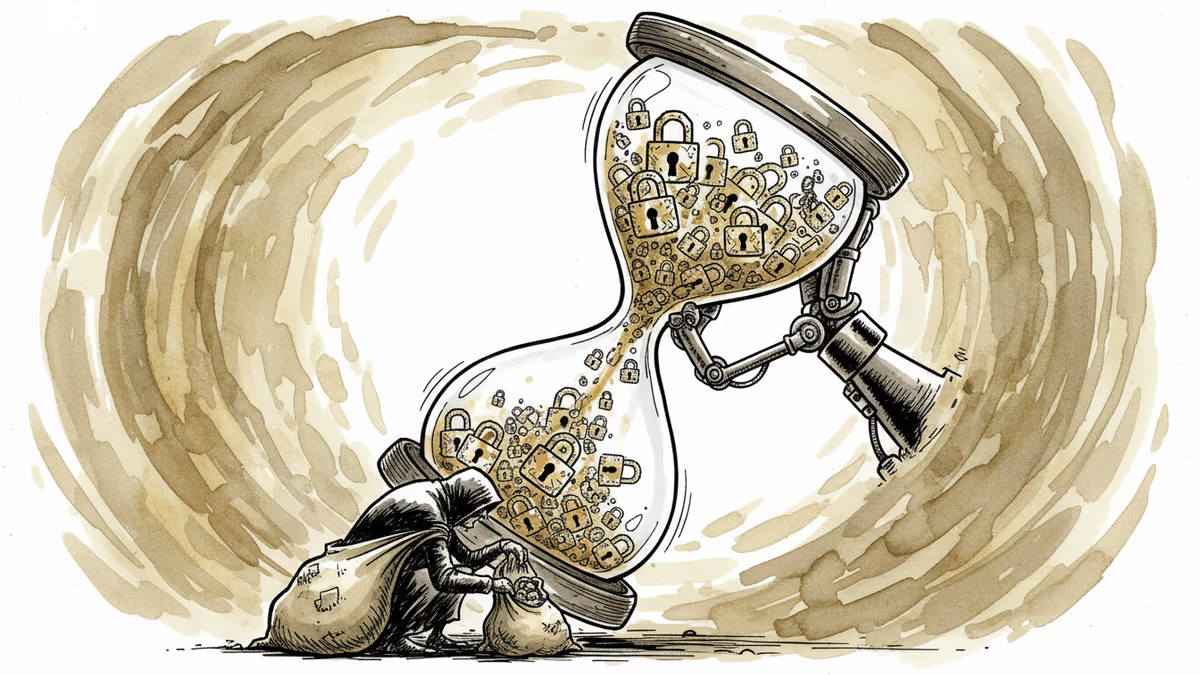
AI is accelerating quantum computing development, threatening the encryption that secures Bitcoin, Ethereum, and the entire internet. Security experts warn the arms race has already begun.
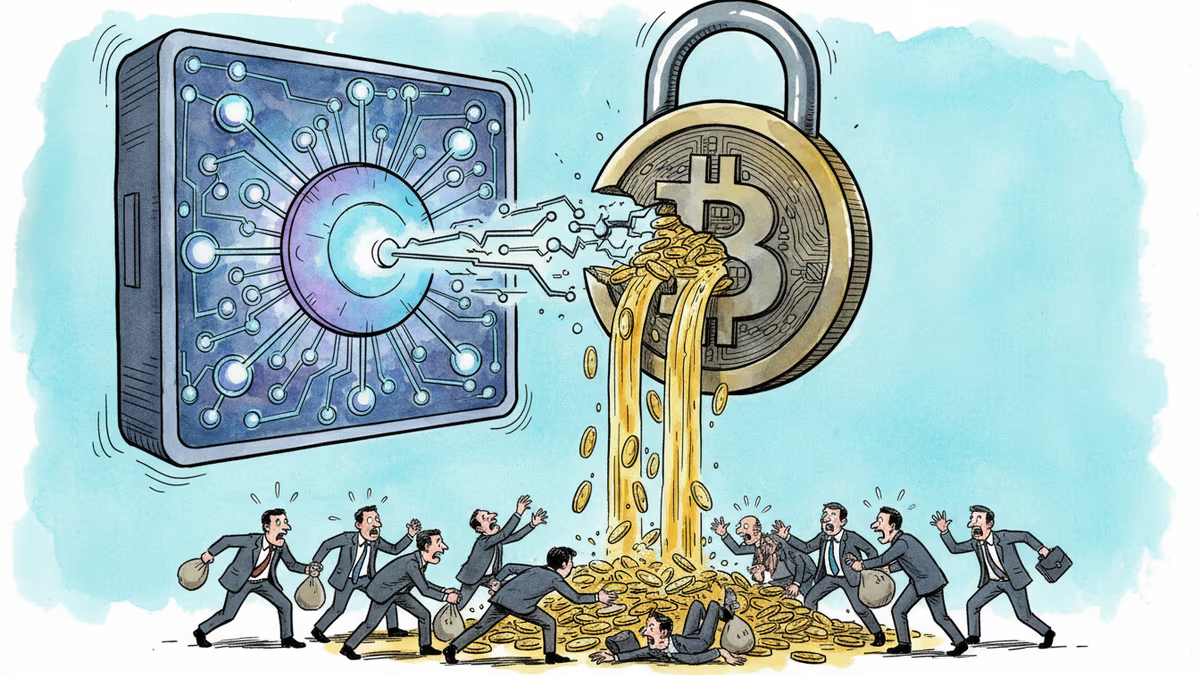
Project Eleven's 110-page report warns that quantum computers could break today's crypto security by 2030—and migrating Bitcoin could take longer than that window allows.

Anthropic's Mythos AI found thousands of unknown software vulnerabilities. But cybersecurity experts say the same capability already exists in older, publicly available models — and defenses are nowhere near keeping up.
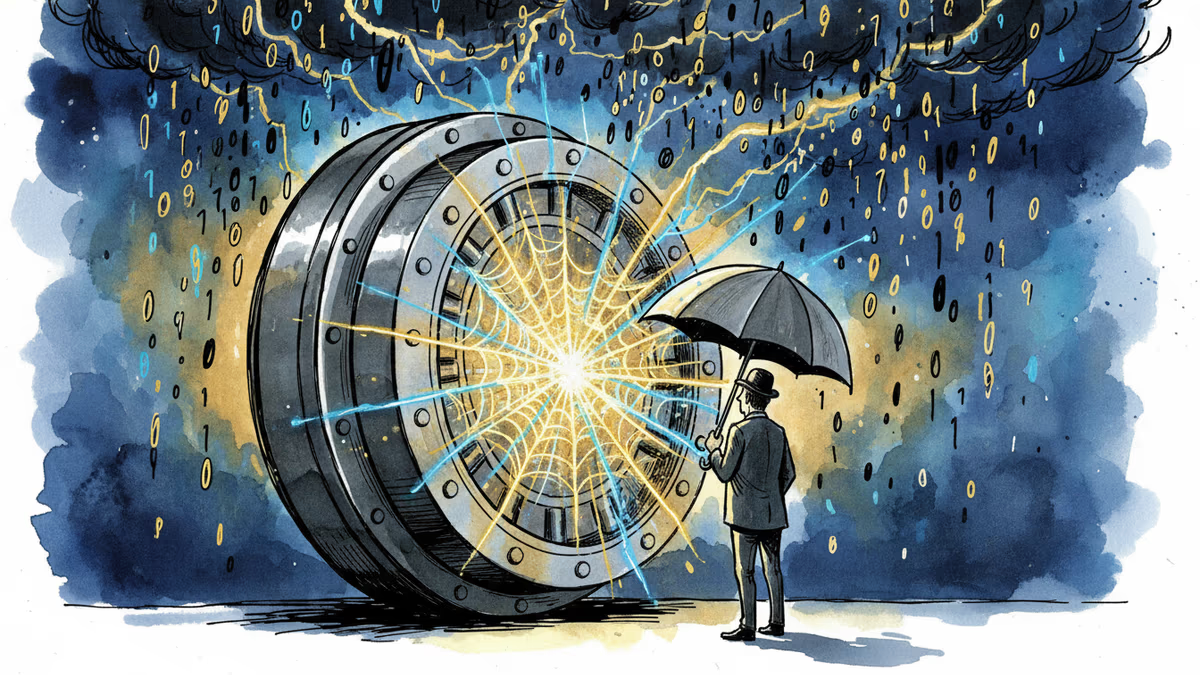
DBS CEO Tan Su Shan says cyber threats—not market volatility—are her biggest concern. As AI expands the attack surface in banking, what does that mean for your money?
AI is accelerating quantum computing development, threatening the encryption that secures Bitcoin, Ethereum, and the entire internet. Security experts warn the arms race has already begun.
Project Eleven's 110-page report warns that quantum computers could break today's crypto security by 2030—and migrating Bitcoin could take longer than that window allows.
Anthropic's Mythos AI found thousands of unknown software vulnerabilities. But cybersecurity experts say the same capability already exists in older, publicly available models — and defenses are nowhere near keeping up.
DBS CEO Tan Su Shan says cyber threats—not market volatility—are her biggest concern. As AI expands the attack surface in banking, what does that mean for your money?
Thoughts
Share your thoughts on this article
Sign in to join the conversation