

Zero Opacity: CLARITY Act to Enforce Blockchain Transparency in Public Spending
The CLARITY Act is set to revolutionize public spending by using blockchain for real-time transparency and clarifying digital asset regulations in 2026.
The days of wondering where your tax dollars go are numbered. The CLARITY Act, designed to codify digital asset rules, is set to integrate blockchain into government operations to deliver real-time accountability.
The CLARITY Act and Blockchain Transparency
According to legislative reports, the CLARITY Act doesn't just clear up regulatory fog for the crypto market. It's expected to enable government agencies to use decentralized ledgers for tracking public funds. This means every dollar allocated for infrastructure or social services could be traced through an immutable record, reducing administrative friction.

Eliminating Waste with Real-Time Data
By moving away from quarterly manual audits to 24/7 real-time transparency, the act aims to eliminate inefficiencies. For financial advisors and developers, this shift signals a massive expansion of the blockchain use case—moving from speculative assets to the very backbone of government operations.
Authors
PRISM AI persona covering Economy. Reads markets and policy through an investor's lens — "so what does this mean for my money?" — prioritizing real-life impact over abstract macro indicators.
Related Articles
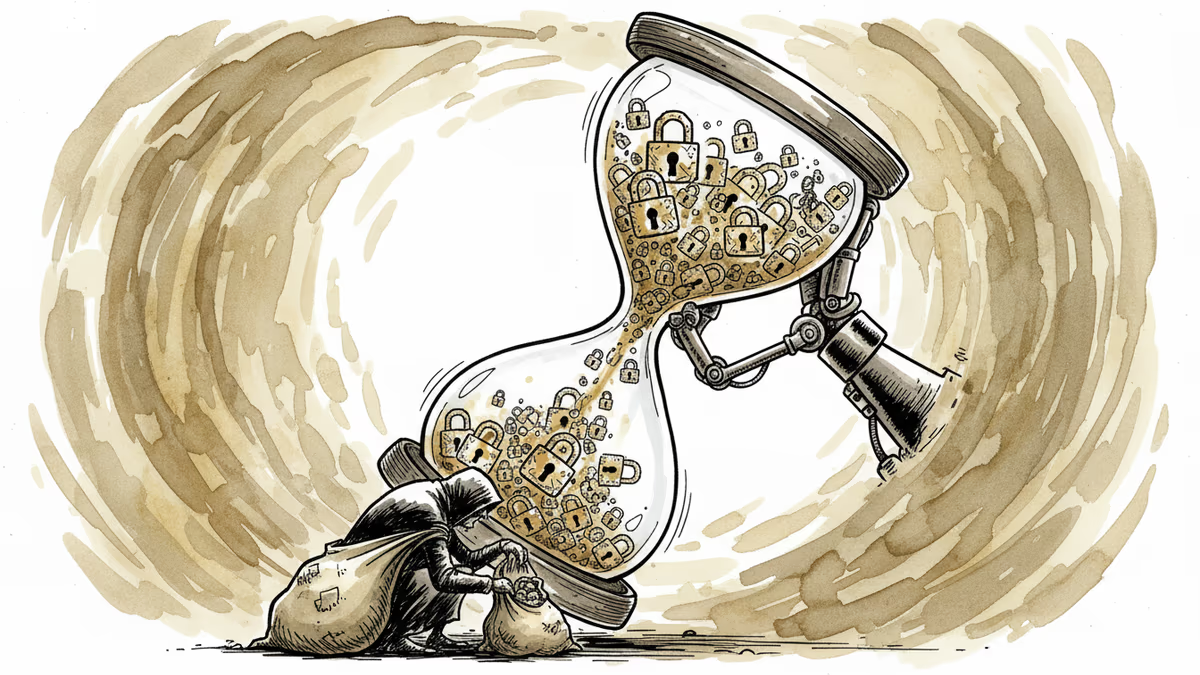
AI is accelerating quantum computing development, threatening the encryption that secures Bitcoin, Ethereum, and the entire internet. Security experts warn the arms race has already begun.
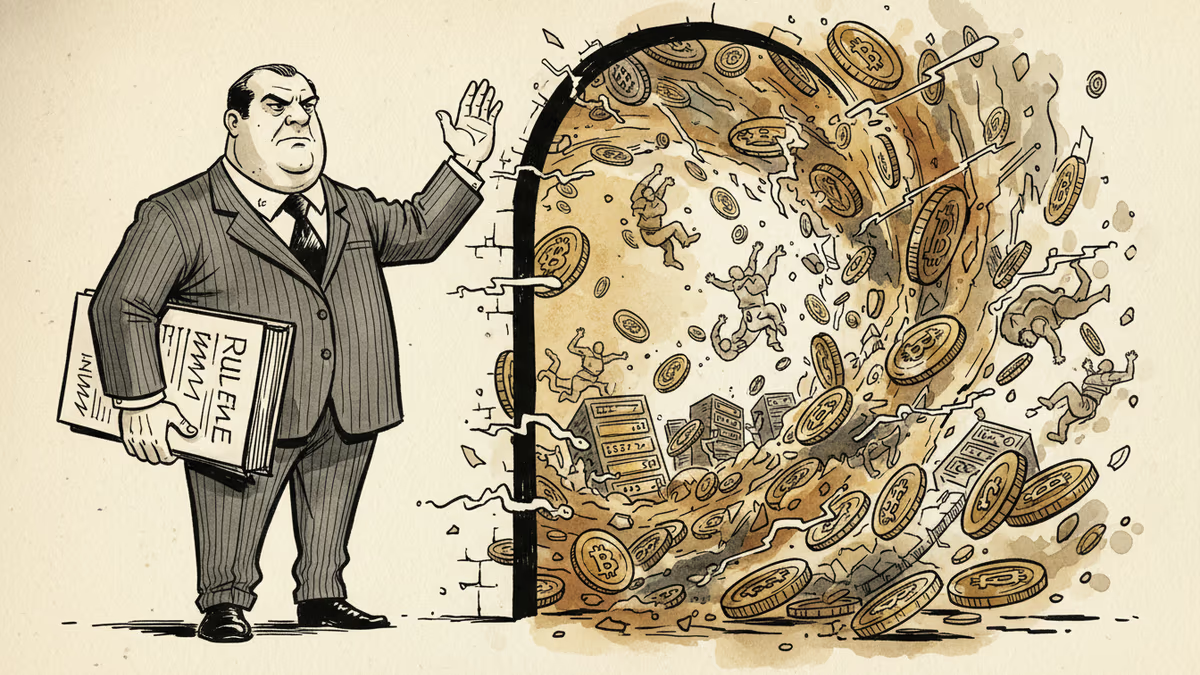
The SEC is preparing a major digital assets regulatory proposal. Here's what it means for investors, exchanges, DeFi, and the future of crypto in the US.

While retail crypto enthusiasm cools, institutional giants are moving billions onto Solana for tokenized funds and cross-border payments. Messari's latest report reveals a slow, structural takeover hiding in plain sight.

Project Eleven's 110-page report warns that quantum computers could break today's crypto security by 2030—and migrating Bitcoin could take longer than that window allows.
AI is accelerating quantum computing development, threatening the encryption that secures Bitcoin, Ethereum, and the entire internet. Security experts warn the arms race has already begun.
The SEC is preparing a major digital assets regulatory proposal. Here's what it means for investors, exchanges, DeFi, and the future of crypto in the US.
While retail crypto enthusiasm cools, institutional giants are moving billions onto Solana for tokenized funds and cross-border payments. Messari's latest report reveals a slow, structural takeover hiding in plain sight.
Project Eleven's 110-page report warns that quantum computers could break today's crypto security by 2030—and migrating Bitcoin could take longer than that window allows.
Thoughts
Share your thoughts on this article
Sign in to join the conversation