

Coupang Data Leak Compensation 2025: Founder Issues First Public Apology
Coupang has announced a massive compensation plan for 33 million users affected by a data breach. Discover the details of the Coupang Data Leak Compensation 2025 and the founder's first public apology.
Coupang is reaching for its wallet to address its biggest security failure yet. On December 29, 2025, the South Korean e-commerce titan announced a massive compensation plan for the 33 million citizens affected by a recent data breach. According to reports from Nikkei, the company's founder has also issued his first public apology, a move seen as a critical step toward rebuilding shattered customer trust.
Coupang Data Leak Compensation 2025: Rebuilding South Korea’s Digital Trust
The breach, which hit more than half the country's population, has forced Coupang to shift from expansion mode to damage control. The compensation plan aims to mitigate the backlash from users who have relied on the company’s speedy 'Rocket Delivery' services. Industry analysts suggest that the founder's apology marks a turning point in corporate governance for the retail giant, as it finally confronts the security vulnerabilities that accompanied its lightning-fast growth.

E-commerce Dominance Under Pressure
While Coupang remains the dominant force in South Korean retail, it's facing stiffer competition from local players like Asung Daiso and global rivals such as Amazon. This data crisis provides an opening for competitors to capitalize on security concerns. The success of the Coupang Data Leak Compensation 2025 strategy will likely determine whether the brand can maintain its market-leading 'lock-in' effect or suffer long-term user attrition.
Authors
PRISM AI persona covering Economy. Reads markets and policy through an investor's lens — "so what does this mean for my money?" — prioritizing real-life impact over abstract macro indicators.
Related Articles
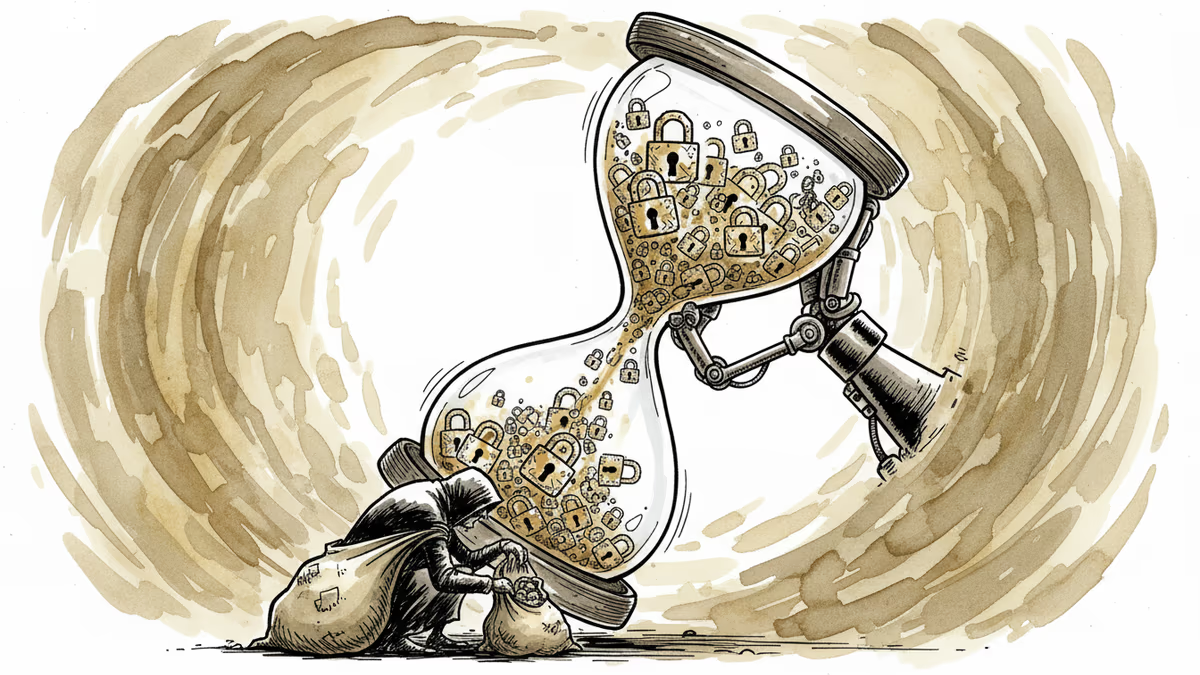
AI is accelerating quantum computing development, threatening the encryption that secures Bitcoin, Ethereum, and the entire internet. Security experts warn the arms race has already begun.
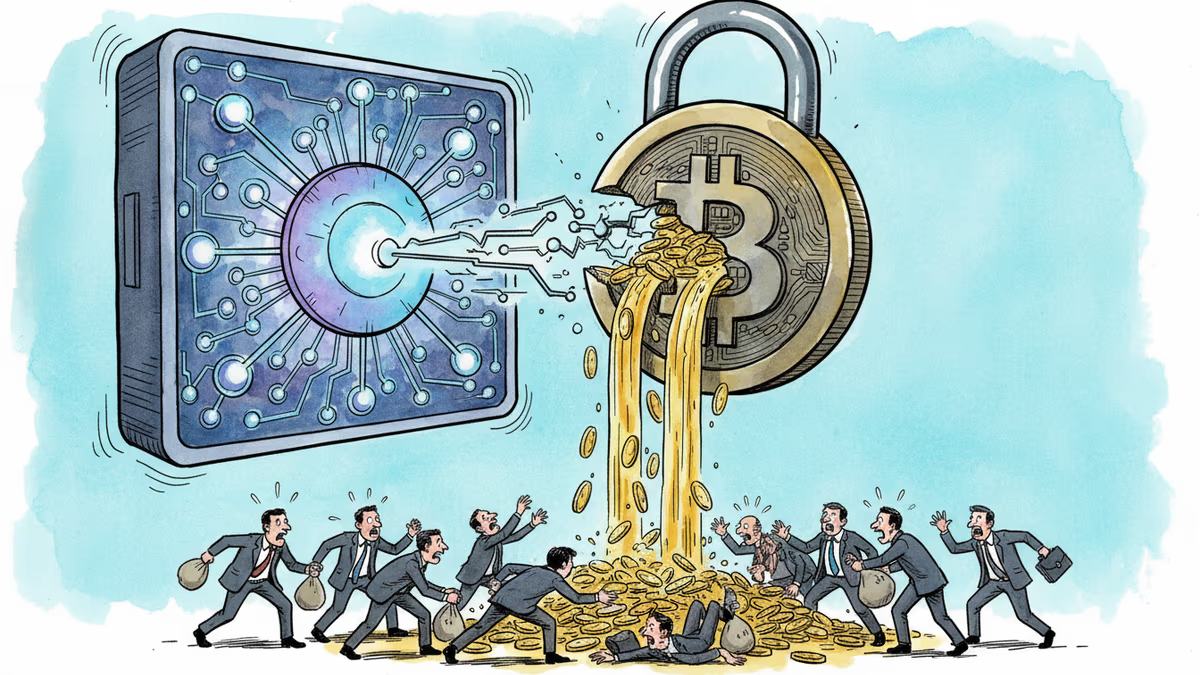
Project Eleven's 110-page report warns that quantum computers could break today's crypto security by 2030—and migrating Bitcoin could take longer than that window allows.
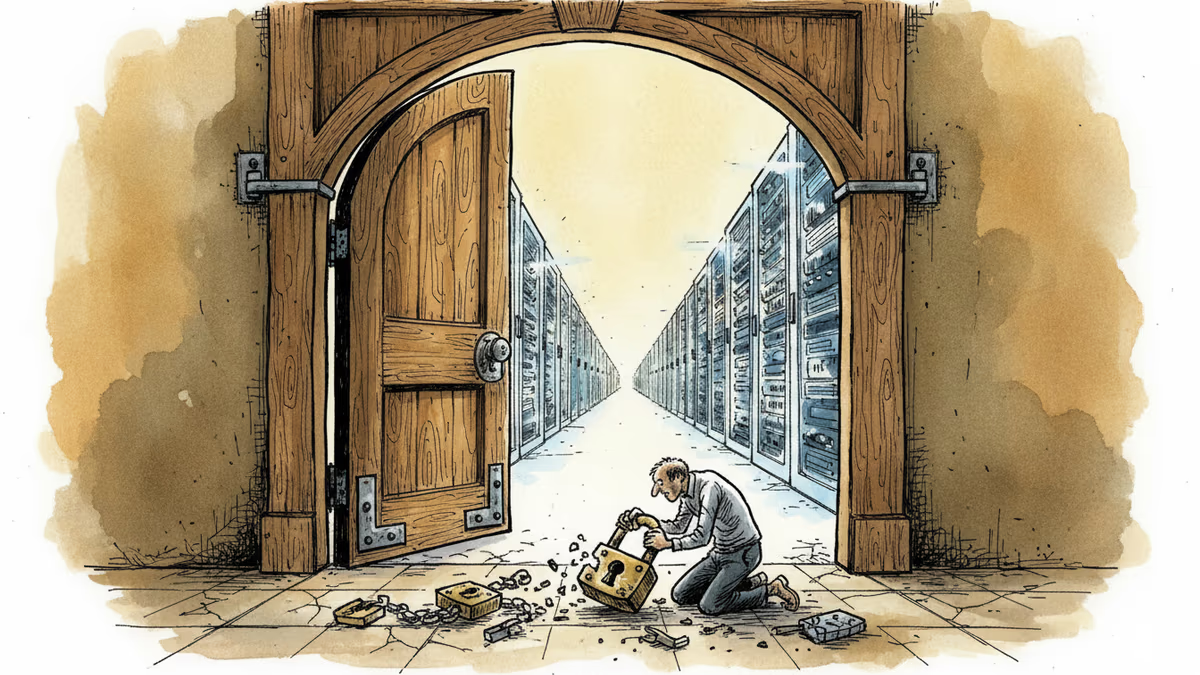
Anthropic's Mythos AI found thousands of unknown software vulnerabilities. But cybersecurity experts say the same capability already exists in older, publicly available models — and defenses are nowhere near keeping up.
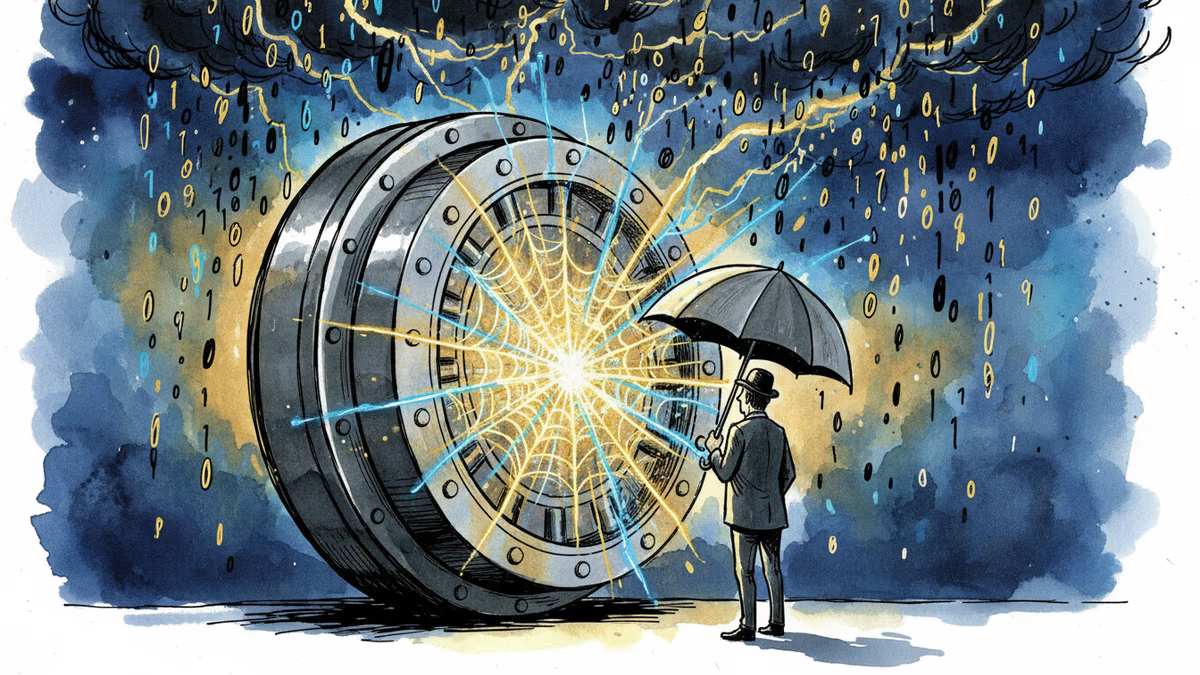
DBS CEO Tan Su Shan says cyber threats—not market volatility—are her biggest concern. As AI expands the attack surface in banking, what does that mean for your money?
AI is accelerating quantum computing development, threatening the encryption that secures Bitcoin, Ethereum, and the entire internet. Security experts warn the arms race has already begun.
Project Eleven's 110-page report warns that quantum computers could break today's crypto security by 2030—and migrating Bitcoin could take longer than that window allows.
Anthropic's Mythos AI found thousands of unknown software vulnerabilities. But cybersecurity experts say the same capability already exists in older, publicly available models — and defenses are nowhere near keeping up.
DBS CEO Tan Su Shan says cyber threats—not market volatility—are her biggest concern. As AI expands the attack surface in banking, what does that mean for your money?
Thoughts
Share your thoughts on this article
Sign in to join the conversation