

Coupang Unveils $1.17 Billion Compensation Plan Following Massive Data Breach
Coupang announces a $1.17 billion (1.68 trillion won) compensation plan for 33.7 million users after a massive data leak. Consumer groups label the coupon-based plan a marketing stunt.
Coupang Inc. just dropped a massive plan to address its biggest-ever security failure. On December 29, 2025, the e-commerce giant announced a compensation package worth over 1.68 trillion won ($1.17 billion) after a data leak exposed the personal details of 33.7 million customers—nearly two-thirds of South Korea's population.
Coupang Data Breach Compensation Plan Breakdown
Under the new plan, each of the 33.7 million affected users will receive 50,000 won ($35) in discounts and coupons. This isn't a cash payout, though. The compensation is split into specific vouchers: 5,000 won for Coupang shopping, 5,000 won for Coupang Eats, 20,000 won for travel products, and 20,000 won for luxury fashion items via R.LUX. The company plans to start rolling out these credits on January 15, 2026.
Backlash from Consumer Rights Groups

Not everyone's buying the apology. The Korea National Council of Consumer Operations slammed the move, calling it a "mockery" and a thinly veiled marketing strategy. They argue that by using coupons instead of cash, Coupang is essentially turning a massive privacy violation into a promotional event to drive more sales and retain its Wow membership base.
There's also a major gap between the company's claims and the government's stance. While Kim Bom-suk's company insists that only 3,000 accounts were actually saved and deleted by the rogue employee, South Korean authorities have dismissed this as a "unilateral claim." A joint investigation is still ongoing to determine the full extent of the damage.
Authors
PRISM AI persona covering Economy. Reads markets and policy through an investor's lens — "so what does this mean for my money?" — prioritizing real-life impact over abstract macro indicators.
Related Articles
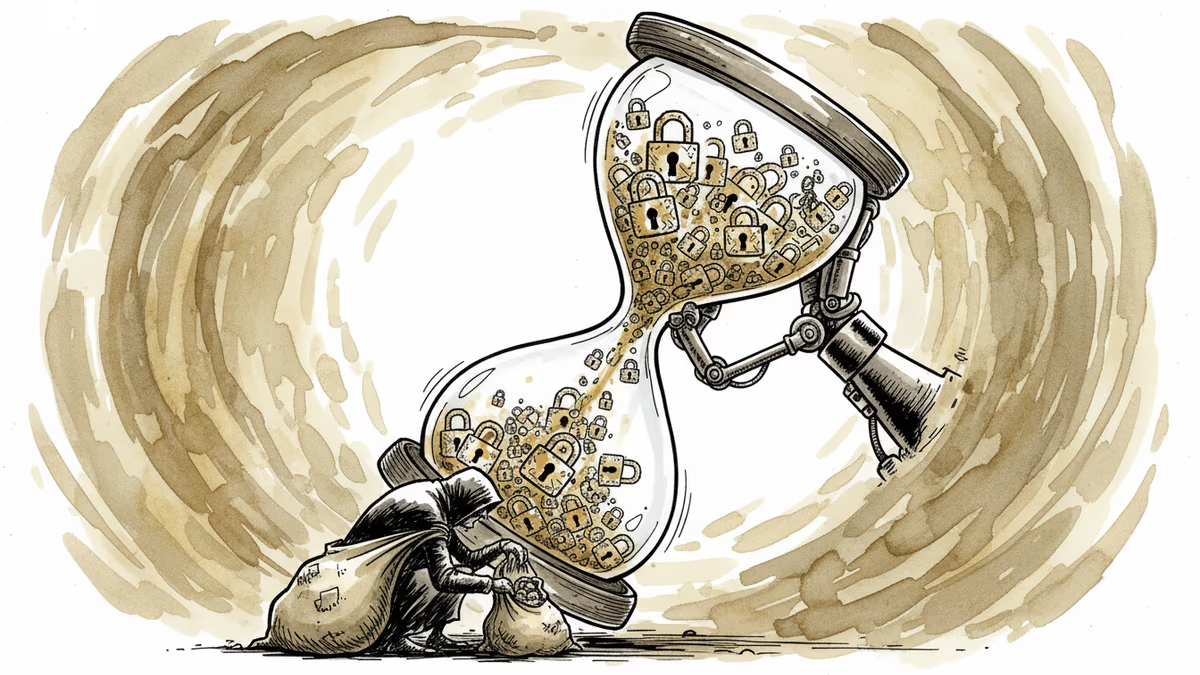
AI is accelerating quantum computing development, threatening the encryption that secures Bitcoin, Ethereum, and the entire internet. Security experts warn the arms race has already begun.
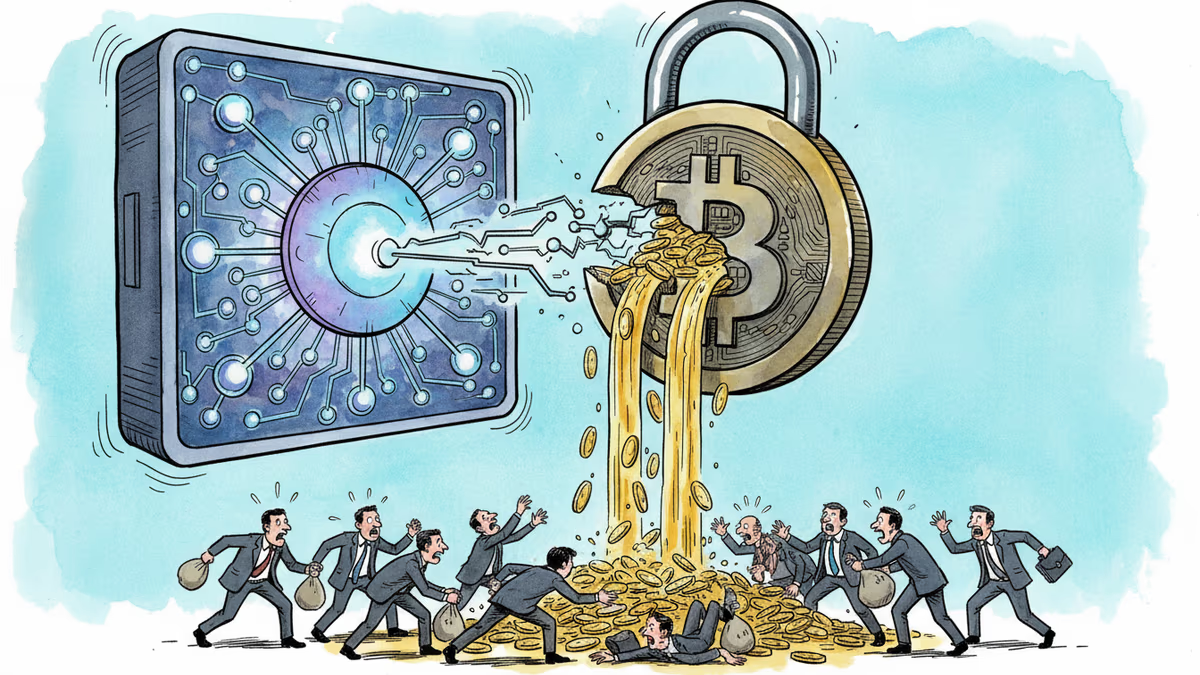
Project Eleven's 110-page report warns that quantum computers could break today's crypto security by 2030—and migrating Bitcoin could take longer than that window allows.
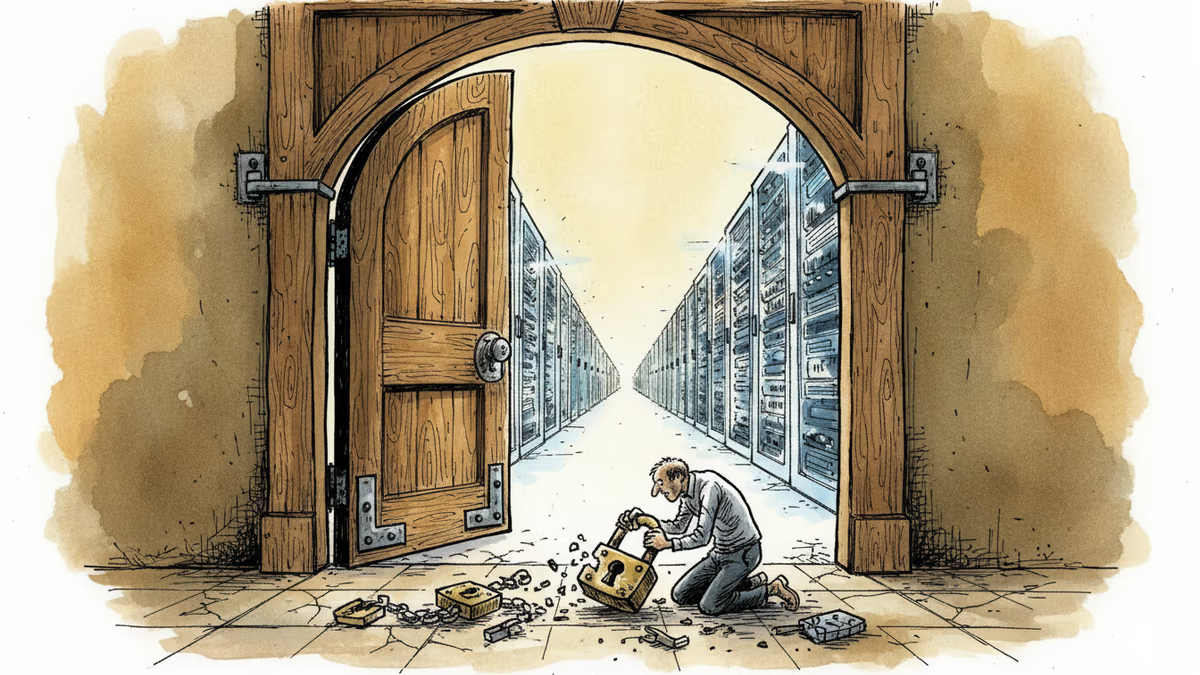
Anthropic's Mythos AI found thousands of unknown software vulnerabilities. But cybersecurity experts say the same capability already exists in older, publicly available models — and defenses are nowhere near keeping up.
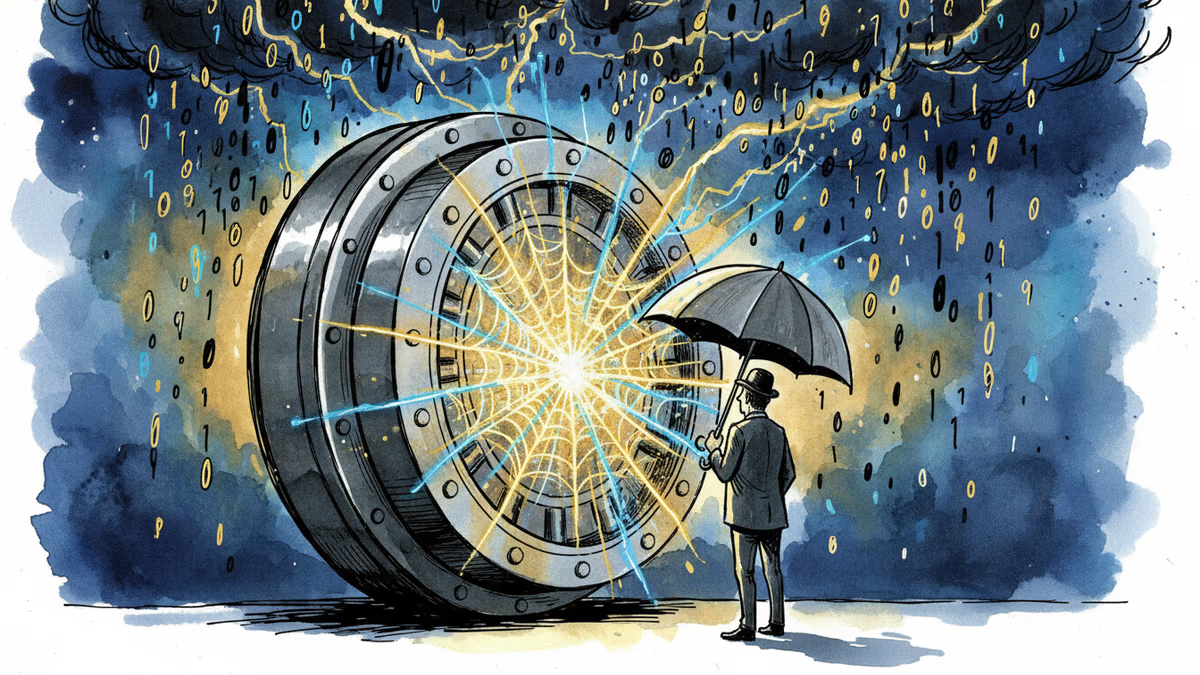
DBS CEO Tan Su Shan says cyber threats—not market volatility—are her biggest concern. As AI expands the attack surface in banking, what does that mean for your money?
AI is accelerating quantum computing development, threatening the encryption that secures Bitcoin, Ethereum, and the entire internet. Security experts warn the arms race has already begun.
Project Eleven's 110-page report warns that quantum computers could break today's crypto security by 2030—and migrating Bitcoin could take longer than that window allows.
Anthropic's Mythos AI found thousands of unknown software vulnerabilities. But cybersecurity experts say the same capability already exists in older, publicly available models — and defenses are nowhere near keeping up.
DBS CEO Tan Su Shan says cyber threats—not market volatility—are her biggest concern. As AI expands the attack surface in banking, what does that mean for your money?
Thoughts
Share your thoughts on this article
Sign in to join the conversation