
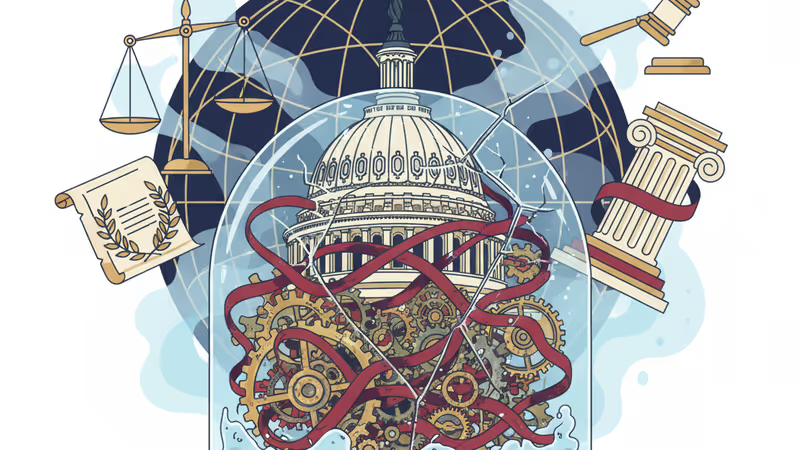
'Congress is in a Coma': Former Lawmakers Sound Alarm Over Deepening Gridlock
As 2025 ends, the U.S. Congress faces criticism for a lack of legislative achievements and a rise in retirements. Former lawmakers warn the institution is 'in a coma,' citing long-term systemic issues.
The U.S. Congress is closing out 2025 with a remarkably thin list of legislative accomplishments and a growing wave of retirements, prompting stark warnings from former members that the institution is critically dysfunctional. Describing the situation on Capitol Hill as a 'coma,' these former lawmakers argue the paralysis plaguing the House is the result of problems that have been years in the making.
By any measure, it's been a year of legislative inertia. Key policy debates on everything from technology regulation to federal budgets have stalled amid fierce partisan divides. This gridlock appears to be fueling a sense of disillusionment among current members, evidenced by an increasing number of them choosing to leave office rather than seek reelection. This trend not only signals frustration but also drains Congress of valuable institutional knowledge and experience.
This content is AI-generated based on source articles. While we strive for accuracy, errors may occur. We recommend verifying with the original source.
Related Articles
A U.S. federal court has ruled that the Trump administration's use of the 1798 Alien Enemies Act to deport Venezuelan men to a prison in El Salvador violated their due process rights.
The U.S. Department of Justice is facing a bipartisan backlash and threats of contempt of Congress over its delayed release of Jeffrey Epstein files. Former President Bill Clinton has also demanded the release of all related documents.
Gaza's ancient Great Omari Mosque, a site with a 2,000-year history, has been destroyed in the conflict. This article analyzes the significance of its loss and the broader implications for cultural heritage in war.
Several state attorneys general claim the Trump administration is refusing to accept funding for the Consumer Financial Protection Bureau (CFPB), a move they warn could leave consumers vulnerable.