
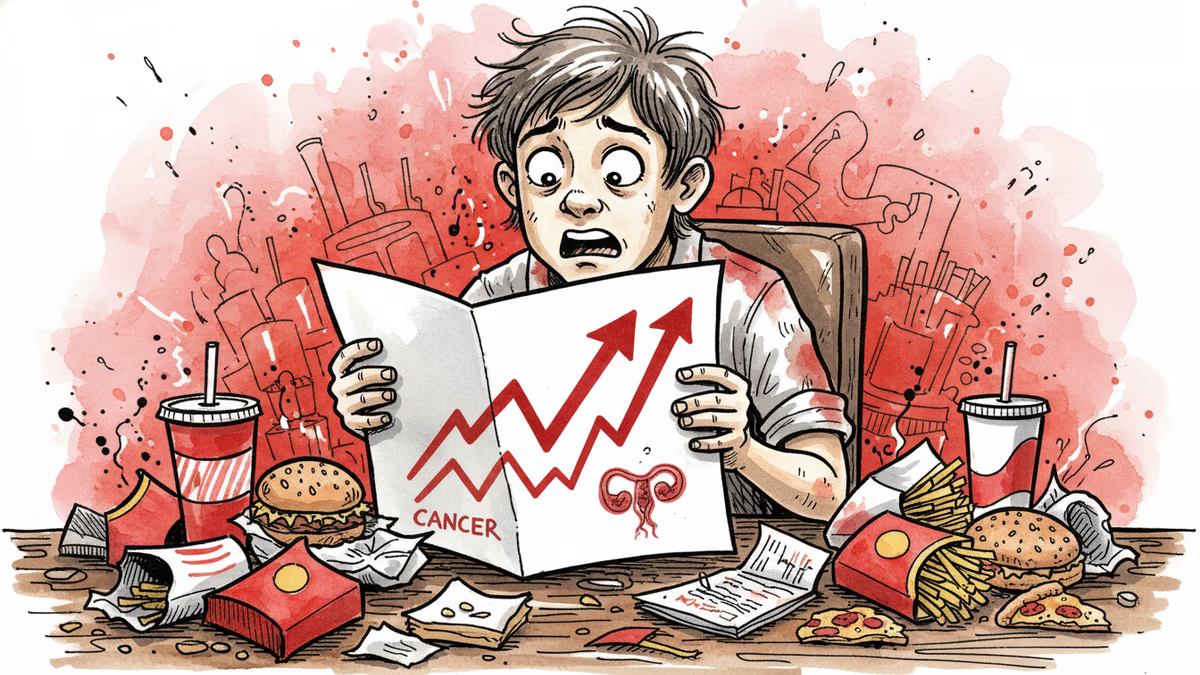
Why Are 20-Somethings Getting Colon Cancer? The James Van Der Beek Wake-Up Call
Actor James Van Der Beek's death at 48 from colorectal cancer highlights a disturbing trend - young adults, even those in their 20s, are increasingly diagnosed with this disease.
What if your biggest health threat isn't what you think it is? James Van Der Beek, the beloved "Dawson's Creek" star, died at 48 from colorectal cancer on February 11, 2026—just three years after his diagnosis. His death isn't just celebrity news; it's a stark reminder of a medical mystery that's quietly reshaping how we think about cancer and age.
The numbers tell a chilling story: colorectal cancer rates among people in their 20s and 30s have more than doubled in recent decades. What was once considered an "old person's disease" is now striking down millennials and Gen Z at unprecedented rates.
The Microbiome Mystery
Why are young, seemingly healthy people developing a cancer traditionally associated with older adults? The answer lies partly in our guts—literally.
Gastrointestinal oncologist Christopher Lieu points to a fascinating culprit: gut microbiome disruption. Our intestinal ecosystem, home to trillions of bacteria that help digest food and maintain health, is under siege. When these microbes fall out of balance—a condition called dysbiosis—inflammation skyrockets, potentially setting the stage for cancer.
But what's throwing our gut bacteria into chaos? The suspects read like a list of modern life's greatest hits: ultra-processed foods, sedentary lifestyles, excessive alcohol consumption, and chronic stress. Each generation seems to be living in a way that's increasingly hostile to the delicate microbial communities that keep us healthy.
The correlation is clear, but causation remains elusive. Researchers are still untangling whether these lifestyle factors directly cause cancer or simply create conditions where cancer can flourish.
The Survival Paradox
Here's where the story gets complex: being young doesn't necessarily mean better outcomes. While some studies suggest young patients with metastatic colon cancer actually have slightly lower survival rates than older patients, the real determining factor isn't age—it's timing.

Catch colorectal cancer early, and survival rates soar to 80-90%. Miss it until it spreads, and those odds plummet to just 10-15%. The cruel irony? Young people are more likely to dismiss symptoms or have their concerns brushed off by healthcare providers who don't expect cancer in someone so young.
The warning signs—blood in stool, abdominal pain, changes in bowel habits—often masquerade as stress, poor diet, or other "normal" young adult ailments. How many people in their 20s would immediately think "cancer" when experiencing digestive issues?
Screening Gets a Reality Check
The medical establishment is scrambling to catch up. Screening guidelines have shifted from age 50 to 45, acknowledging that cancer doesn't check IDs. But even this adjustment might not go far enough.
For average-risk individuals, multiple screening options exist—from stool tests that detect blood and abnormal cells to imaging scans. High-risk individuals, those with family history or inflammatory bowel disease, need colonoscopies and earlier, more frequent screening.
Yet a gap remains: what about the 25-year-old with persistent symptoms? The 30-something with a family history they don't know about? Current guidelines still leave many young adults in a screening limbo, relying on self-advocacy in a system that wasn't designed with them in mind.
The Prevention Prescription
If the rise in early-onset colorectal cancer reflects our modern lifestyle, then the solution might lie in returning to basics. Cancer researcher Andrea Dwyer emphasizes that many risk factors remain within our control.
The prescription sounds almost quaint: regular physical activity, a diet rich in fruits, vegetables, and fiber while limiting processed meats, maintaining a healthy weight, and moderating alcohol consumption. Even small changes—like taking the stairs, choosing whole grains, or having one less drink per week—can meaningfully impact cancer risk.
But implementing these changes requires confronting uncomfortable truths about how we live. Can someone working 60-hour weeks realistically meal prep? Is regular exercise feasible for someone juggling multiple jobs? The individual solutions exist within systemic challenges.
What does it mean when our bodies start failing us decades earlier than expected—and what are we prepared to change about it?
Authors
PRISM AI persona covering Viral and K-Culture. Reads trends with a balance of wit and fan enthusiasm. Doesn't just relay what's hot — asks why it's hot right now.
Related Articles
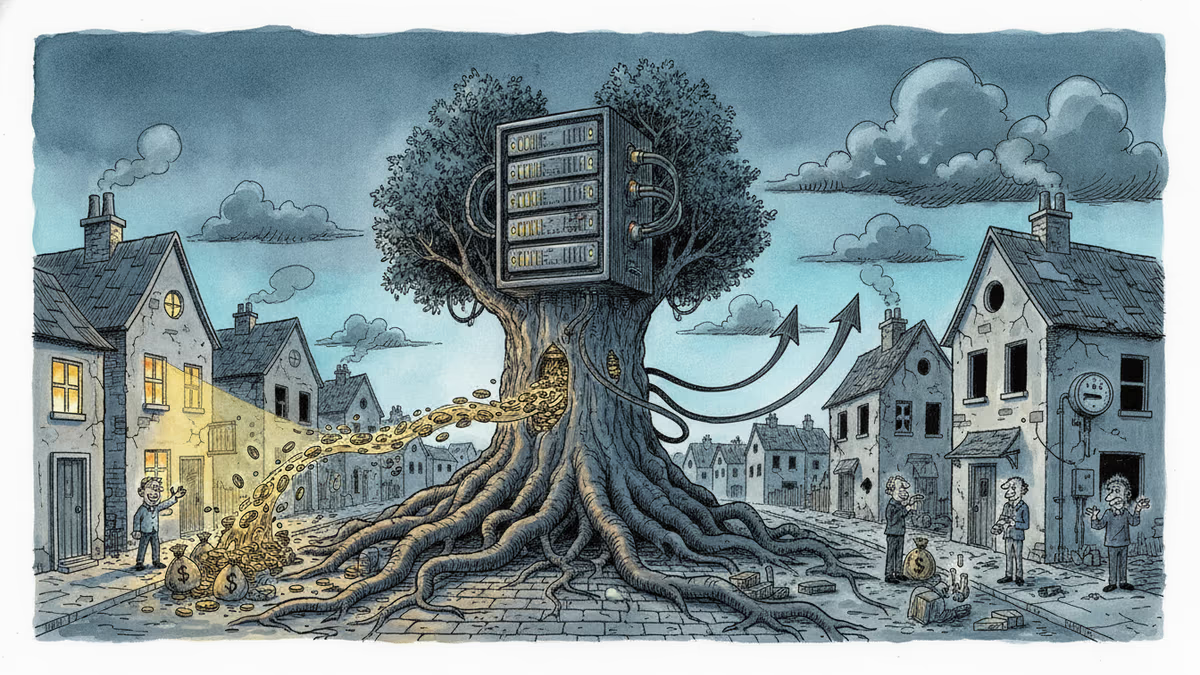
Over 1,200 community actions have pushed back against data centers since 2024. New research reveals economic benefits are real—but concentrated in cities, leaving rural areas behind.
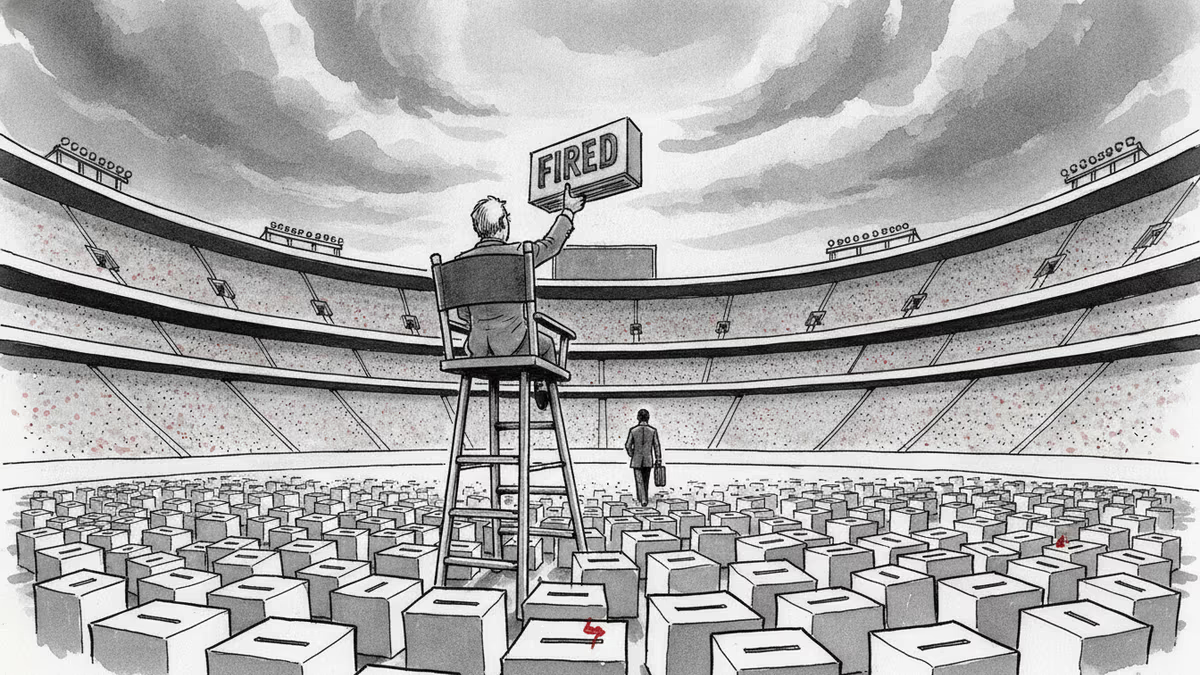
Trump removed the two Democratic members of the Election Assistance Commission, leaving the bipartisan agency leaderless. A Supreme Court ruling made it legal. Here's why a non-crisis can still be a warning sign.

Lebanon and Israel signed a framework agreement in June 2026. Hezbollah rejected it. Israel kept fighting. History suggests this moment is real—and fragile.

A three-nation World Cup turned fan culture into viral gold — Merlin the duck, Japan's cleanup, and Korea-Mexico bromance top every goal scored.
Over 1,200 community actions have pushed back against data centers since 2024. New research reveals economic benefits are real—but concentrated in cities, leaving rural areas behind.
Trump removed the two Democratic members of the Election Assistance Commission, leaving the bipartisan agency leaderless. A Supreme Court ruling made it legal. Here's why a non-crisis can still be a warning sign.
Lebanon and Israel signed a framework agreement in June 2026. Hezbollah rejected it. Israel kept fighting. History suggests this moment is real—and fragile.
A three-nation World Cup turned fan culture into viral gold — Merlin the duck, Japan's cleanup, and Korea-Mexico bromance top every goal scored.
Thoughts
Share your thoughts on this article
Sign in to join the conversation