
習近平下達新指令:國企須成「國家基石」,力保關鍵技術主導權
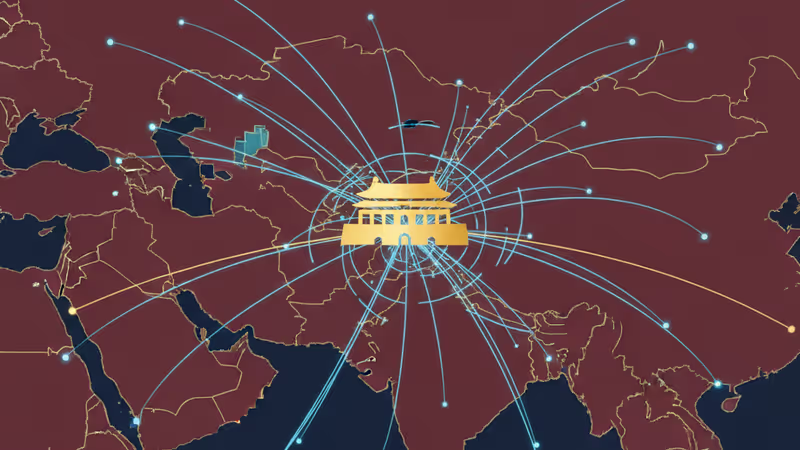
中國國家主席習近平對中央國有企業下達最新指示,要求其在國家發展中扮演「基石」角色,主導產業升級並確保關鍵技術安全。此舉凸顯北京在美中科技戰背景下,強化國家力量主導經濟與科技自立的決心。
創新引擎正在換檔?中國國家主席習近平近日對中央國有企業(SOEs)下達最新指示,要求它們成為國家發展的「基石」,在下一階段的增長中,主導產業升級並確保關鍵技術安全。這項舉措,明確地將國家發展的重擔,從民營企業的肩上轉移到了國有企業。
「服務黨和國家大局」的核心使命
據報導,這番談話是在週一與週二於北京舉行的中央國企領導人會議上傳達的。習近平強調:「中央國企必須充分認識到自己肩負的責任與使命,更好地服務黨和國家大局。」此言論表明,北京對國有企業的要求,已不僅僅是創造利潤,更是要成為貫徹國家戰略意志的關鍵力量。
產業升級與技術自主的雙重挑戰
所謂「確保關鍵技術」,其背後是日益白熱化的中美科技戰。在半導體、人工智慧(AI)等舉足輕重的領域,中國正竭力擺脫對外國技術的依賴,建立自主可控的供應鏈。國有企業擁有國家雄厚的資本支持和長遠的戰略佈局,使其被視為推動高風險、長週期尖端技術研發的最佳載體。
「國進民退」的疑慮與國際觀察
然而,強化國企角色的政策方向,也引發了外界對「國進民退」的擔憂,認為這可能壓縮民營企業的發展空間,削弱過去數十年來推動中國經濟奇蹟的市場活力。國際社會方面,美國與歐洲長期指控中國利用國家補貼支持國企,造成不公平競爭。此番指令,或將為未來的國際貿易爭端埋下新的伏筆。
This content is AI-generated based on source articles. While we strive for accuracy, errors may occur. We recommend verifying with the original source.
Related Articles
Bangladesh's main opposition party, the BNP, is preparing to welcome back its leader Tarique Rahman from a 17-year exile with a rally of up to 5 million supporters, a key event ahead of the February general election.

Three-time Prime Minister K.P. Sharma Oli has been re-elected as chair of Nepal's CPN-UML party, despite ongoing investigations into his role in suppressing the Gen Z protests.
A Malaysian agency is prosecuting Australian journalist Murray Hunter in a Thai court. An analysis of the growing threat of transnational 'SLAPP' lawsuits on press freedom.
President Lee Jae-myung's backing of the Unification Ministry's role in North Korea policy is fueling a conflict between 'self-reliance' and 'pro-alliance' factions within Seoul, with major implications for the U.S. alliance amid growing U.S.-China tensions.
Bangladesh's main opposition party, the BNP, is preparing to welcome back its leader Tarique Rahman from a 17-year exile with a rally of up to 5 million supporters, a key event ahead of the February general election.
Three-time Prime Minister K.P. Sharma Oli has been re-elected as chair of Nepal's CPN-UML party, despite ongoing investigations into his role in suppressing the Gen Z protests.
A Malaysian agency is prosecuting Australian journalist Murray Hunter in a Thai court. An analysis of the growing threat of transnational 'SLAPP' lawsuits on press freedom.
President Lee Jae-myung's backing of the Unification Ministry's role in North Korea policy is fueling a conflict between 'self-reliance' and 'pro-alliance' factions within Seoul, with major implications for the U.S. alliance amid growing U.S.-China tensions.