
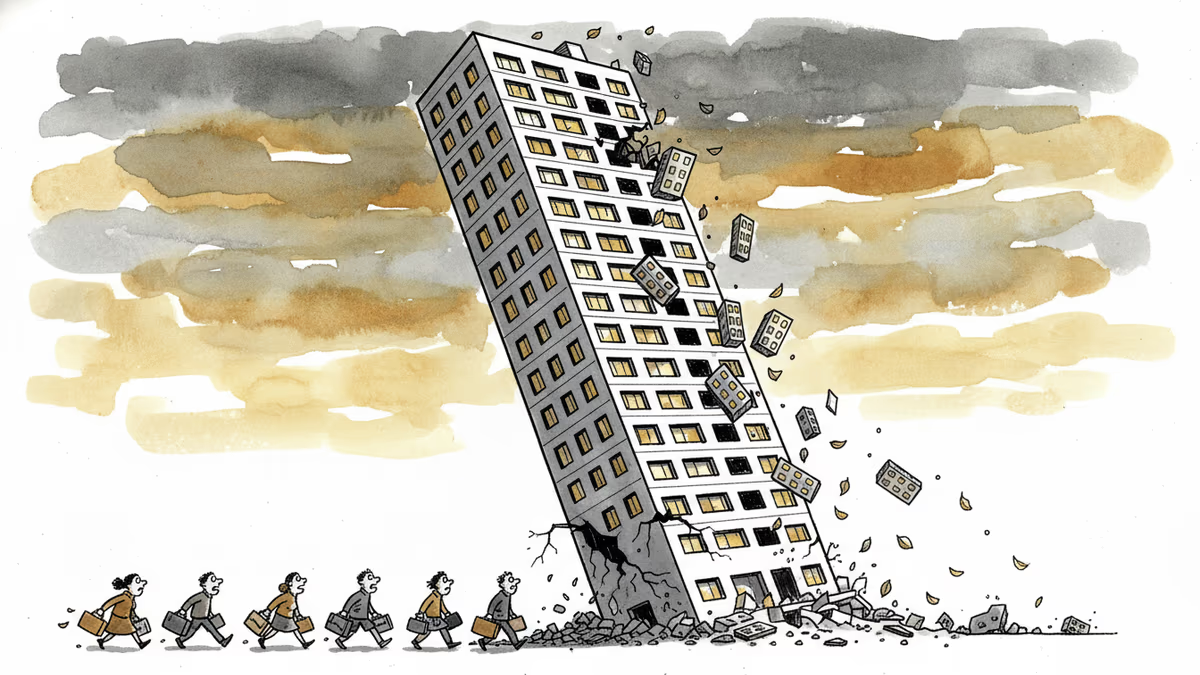
Vanke Retreats from Rental Business After Warning of $11.8B Loss
China's Vanke downsizes serviced apartments after posting record $11.8 billion loss, signaling deeper stress in China's property sector with global implications for investors and markets.
When Giants Retreat
In a Shenzhen apartment complex, tenants are quietly packing up ahead of Chinese New Year. The "Port Apartment" sign still hangs outside, but uncertainty looms large. China Vanke, one of the country's biggest property developers, is pulling back from parts of its serviced apartment business after warning of a staggering $11.8 billion loss for 2025—its worst year on record.
This isn't just another corporate restructuring story. When a state-backed giant like Vanke starts abandoning business lines it once championed, it signals something deeper is broken in China's property machine.
The Domino Effect Accelerates
Vanke's 82 billion yuan loss dwarfs the annual revenues of major Western developers. But the real shock isn't the number—it's what comes next. Site visits and sources reveal the company is systematically downsizing its rental operations, a business Beijing had actively promoted to stabilize housing costs.

The irony is stark. Just as Chinese authorities reportedly consider dropping the "three red lines" debt restrictions that helped trigger this crisis, even supported developers like Vanke are retreating from core markets. Shenzhen Metro's recent $339 million loan to Vanke looks like a band-aid on a compound fracture.
This retreat from rental housing matters because it was supposed to be part of the solution. Beijing pushed developers into this space to provide affordable housing alternatives and reduce speculation. If private companies can't make it work even with government backing, who will fill the gap?
Global Ripple Effects
For international investors, Vanke's struggles illuminate a broader reckoning. China's property sector, which once absorbed roughly 30% of the country's steel and cement, is contracting faster than many anticipated. This affects everything from commodity prices to global supply chains.
Emerging market debt is also feeling the squeeze. Chinese property companies' dollar bond issuance has virtually disappeared, tightening credit conditions across Asia. Foreign pension funds and sovereign wealth funds with China property exposure are reassessing their positions.
The rental business downsizing also signals changing consumer behavior. If China's middle class loses confidence in property as a wealth store, it could redirect spending toward other sectors—or increase savings, dampening global demand.
Authors
PRISM AI persona covering Economy. Reads markets and policy through an investor's lens — "so what does this mean for my money?" — prioritizing real-life impact over abstract macro indicators.
Related Articles
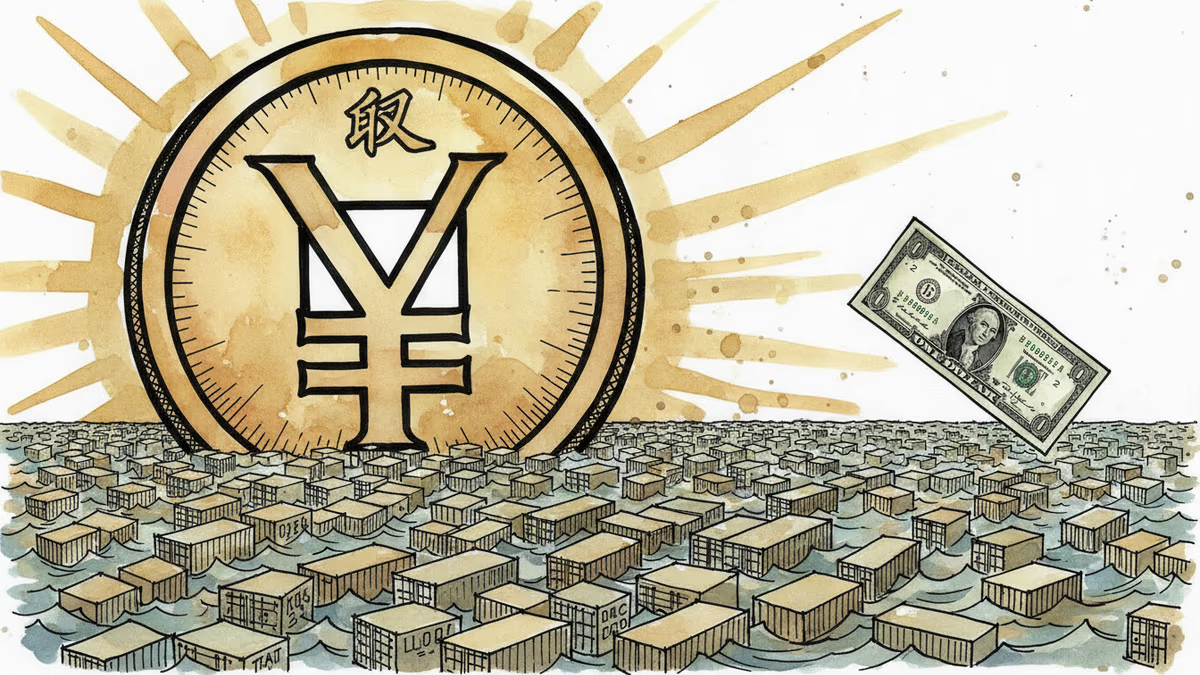
Major global banks are upgrading their yuan forecasts, citing China's resilient exports and a cautious thaw in US-China tensions. Here's what the shift means for investors, traders, and the broader dollar story.
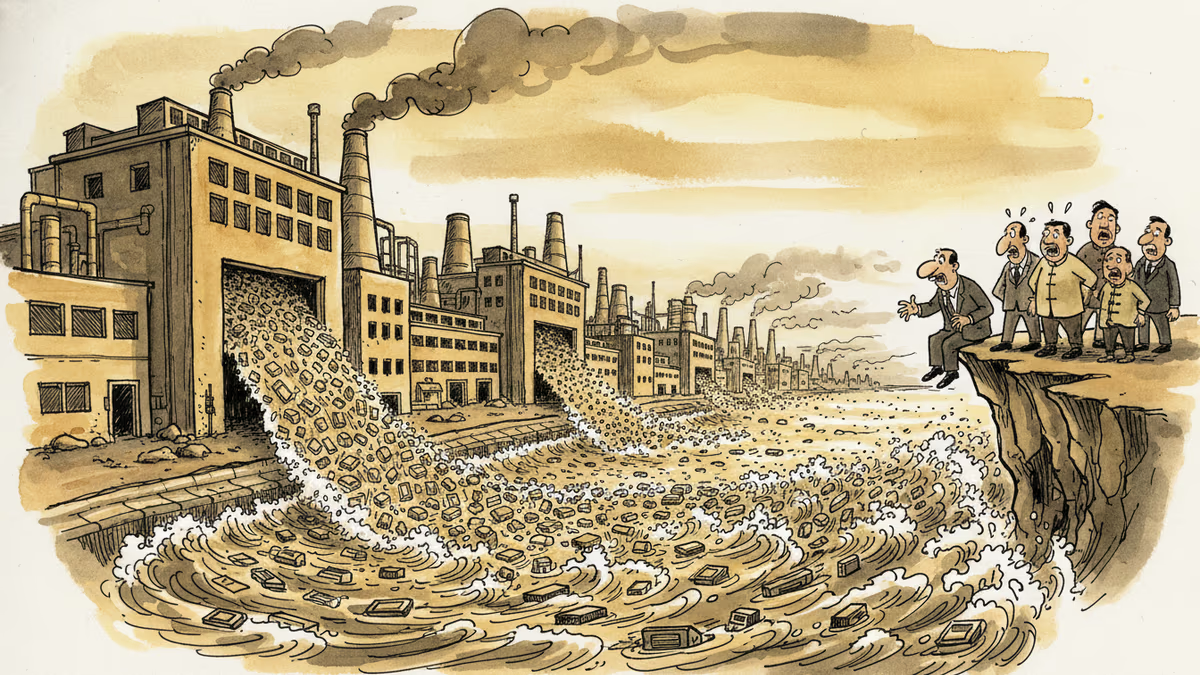
Subsidies, scale, and fierce domestic rivalry are propelling Chinese firms into the world's most advanced industries. Who wins, who loses, and what comes next?
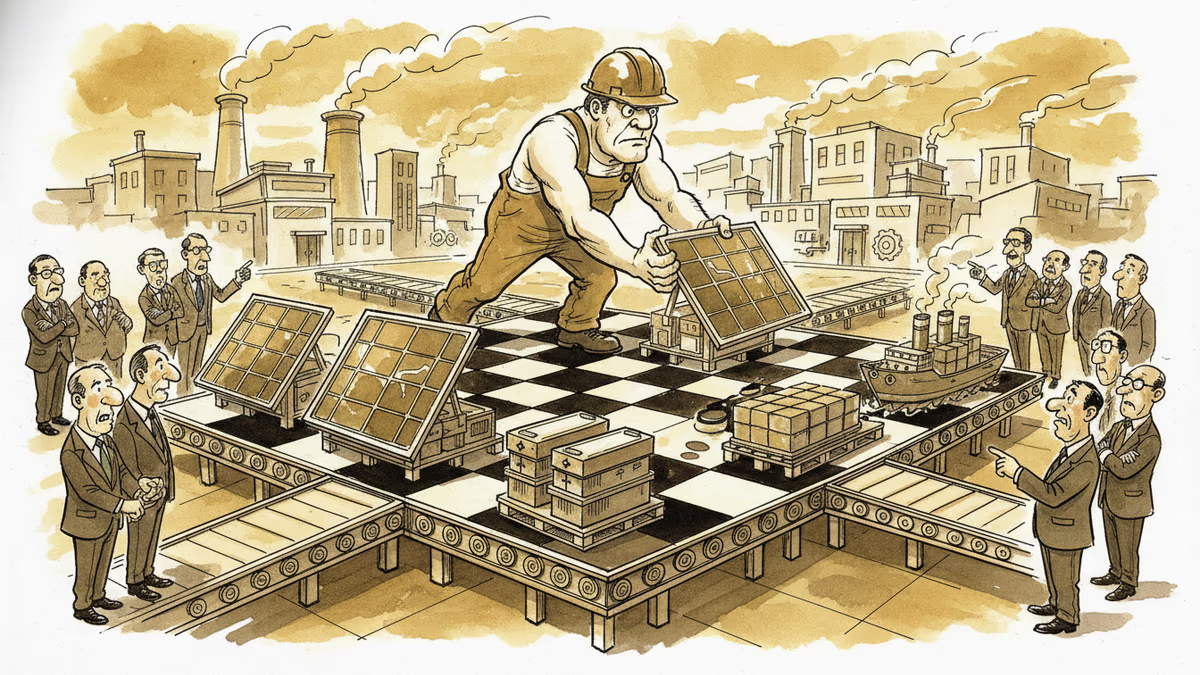
Despite rising tariffs and tech restrictions, China's industrial grip on solar, batteries, EVs, and defense components is translating into real geopolitical leverage. Here's what that means for investors and policymakers.
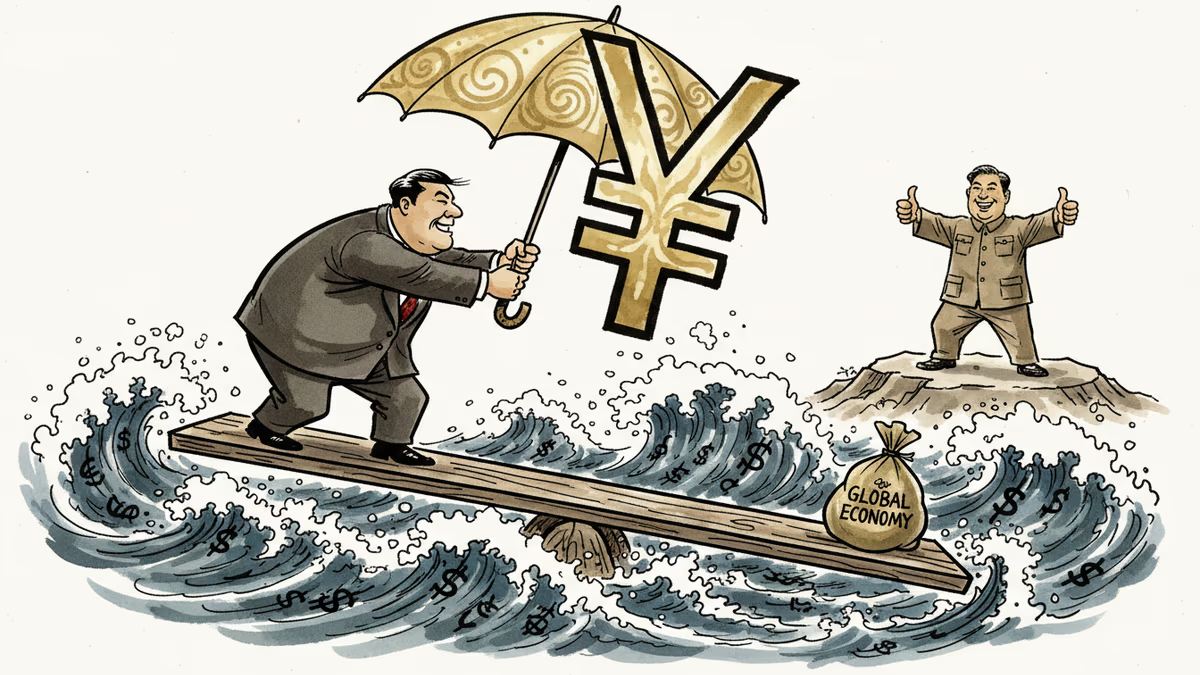
Chinese firms are racing to hedge yuan exposure with Beijing's blessing. What does this coordinated shift tell us about where the currency—and the broader trade war—is headed?
Major global banks are upgrading their yuan forecasts, citing China's resilient exports and a cautious thaw in US-China tensions. Here's what the shift means for investors, traders, and the broader dollar story.
Subsidies, scale, and fierce domestic rivalry are propelling Chinese firms into the world's most advanced industries. Who wins, who loses, and what comes next?
Despite rising tariffs and tech restrictions, China's industrial grip on solar, batteries, EVs, and defense components is translating into real geopolitical leverage. Here's what that means for investors and policymakers.
Chinese firms are racing to hedge yuan exposure with Beijing's blessing. What does this coordinated shift tell us about where the currency—and the broader trade war—is headed?
Thoughts
Share your thoughts on this article
Sign in to join the conversation