
中國「長征12A」火箭首飛成功,著陸回收卻功虧一簣
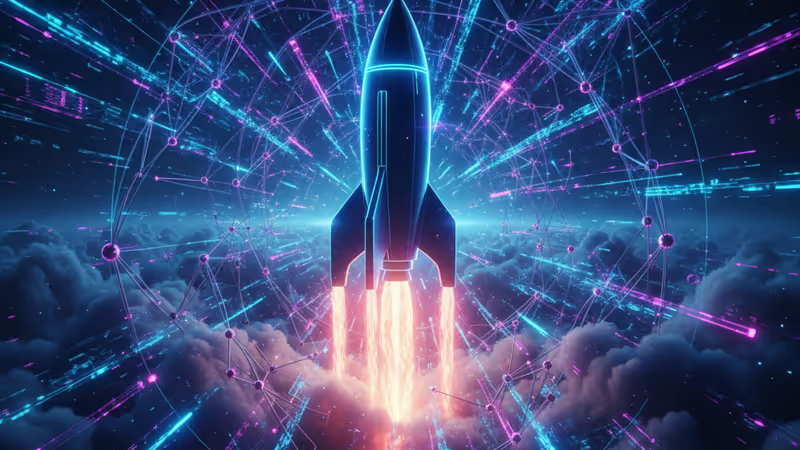
中國新型可重複使用火箭「長征12A號」首次發射成功進入軌道,但其第一節推進器未能成功著陸回收。此事件凸顯了中國在追趕SpaceX的道路上仍面臨技術挑戰。
一飛沖天,卻未能安然返回。中國專為重複使用設計的新型火箭「長征12A號」週一首次發射,成功進入近地軌道,但其第一節推進器的回收任務以失敗告終。這次成敗參半的結果,凸顯了中國在追趕SpaceX的太空競賽中,雖取得長足進步,但離掌握最關鍵的回收技術,仍有最後一哩路要走。
發射成功,回收失敗
根據報導,「長征12A號」於美東時間週一晚間9點(世界協調時間週二凌晨2點),從位於中國西北部的酒泉衛星發射中心升空。值得注意的是,這已是本月內第二枚中國設計用於重複使用的火箭,在首次飛行中便成功進入軌道,顯示其發射技術的穩定性。
這枚火箭的尺寸與SpaceX的主力「獵鷹9號」相仿。然而,在升空後不到10分鐘,其使用甲烷燃料的第一節推進器,未能完成著陸前的減速點火,最終墜毀在距發射場約200英里外的偏遠地區。這意味著雖然成功將載荷送入太空,但重複使用的核心環節——推進器回收,宣告失敗。
與SpaceX的技術鴻溝
此次任務證明中國已具備可靠的入軌發射能力,但推進器垂直降落回收這項足以顛覆發射成本的技術,目前仍是SpaceX獨占鰲頭的領域。著陸減速失敗,可能意味著中國在飛行控制軟體、引擎精準調節與導航系統的整合上,仍面臨嚴峻挑戰。
This content is AI-generated based on source articles. While we strive for accuracy, errors may occur. We recommend verifying with the original source.
Related Articles
China's new Long March 12A rocket, a competitor to SpaceX's Falcon 9, successfully reached orbit on its debut flight but failed in its primary reusability test as the booster crashed.
Tory Bruno has resigned as CEO of United Launch Alliance after a decade. The move comes amid intense competition from SpaceX and just after the successful debut of ULA's new Vulcan rocket.

An in-depth look at the critical malfunctions on Boeing's Starliner that stranded two NASA astronauts on the ISS for nine months, forcing a rescue mission by rival SpaceX.
ULA CEO Tory Bruno has resigned after 12 years, following the long-awaited debut of the Vulcan rocket. We analyze what his departure means for the SpaceX rival's future in a fiercely competitive space launch market.
China's new Long March 12A rocket, a competitor to SpaceX's Falcon 9, successfully reached orbit on its debut flight but failed in its primary reusability test as the booster crashed.
Tory Bruno has resigned as CEO of United Launch Alliance after a decade. The move comes amid intense competition from SpaceX and just after the successful debut of ULA's new Vulcan rocket.
An in-depth look at the critical malfunctions on Boeing's Starliner that stranded two NASA astronauts on the ISS for nine months, forcing a rescue mission by rival SpaceX.
ULA CEO Tory Bruno has resigned after 12 years, following the long-awaited debut of the Vulcan rocket. We analyze what his departure means for the SpaceX rival's future in a fiercely competitive space launch market.