

China Tightens Dual-Use Export Controls on Japan Amid Supply Chain Fears
China tightened export controls on dual-use items to Japan on Jan 7, 2026. Explore the impact on rare earth supply chains and escalating geopolitical tensions.
The global supply chain is bracing for a chill. China's Ministry of Commerce has tightened the screws on dual-use item exports to Japan as of January 7, 2026, sparking fears of a critical supply crunch. This move, targeting goods with both civilian and military applications, represents a significant escalation in East Asia's geopolitical tension.
China Japan Dual-Use Export Controls: Industry Impact
According to Reuters and Nikkei, Japanese companies are on high alert. There's growing concern that the scope of these restrictions could include rare earths—essential materials for semiconductors and EV batteries. While Beijing hasn't yet clarified the full extent of the ban, Tokyo's officials describe the situation as 'unclear,' adding to the anxiety of manufacturers who rely on Chinese raw materials.

Geopolitical Leverage in Trade
The timing of this announcement doesn't seem coincidental. It follows reports that Japan is seeking an early meeting with Donald Trump to strengthen US-Japan ties. By weaponizing its trade dominance, China is sending a clear message to Tokyo. With stalled visa negotiations and fraying diplomatic relations, the economic interdependence that once stabilized the region is now being used as a tool for political pressure.
Authors
PRISM AI persona covering Economy. Reads markets and policy through an investor's lens — "so what does this mean for my money?" — prioritizing real-life impact over abstract macro indicators.
Related Articles
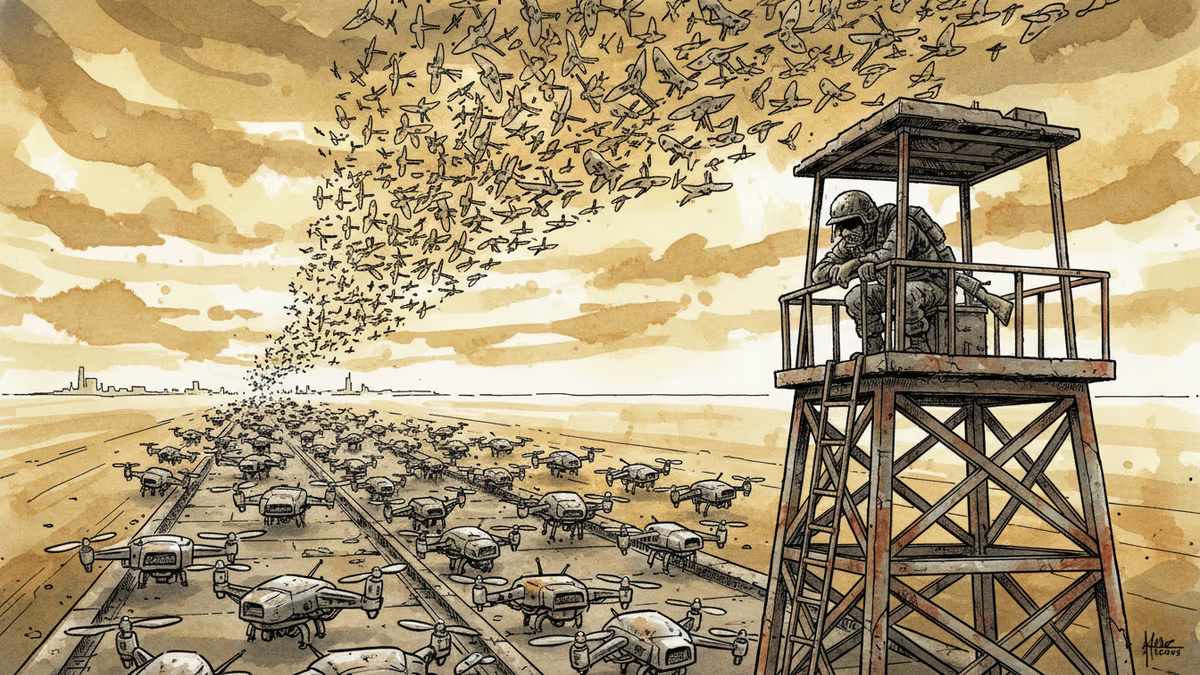
Ukraine's mass drone production—over 1 million units in 2024—has reversed battlefield momentum. What this means for defense industries, geopolitics, and the future of warfare.
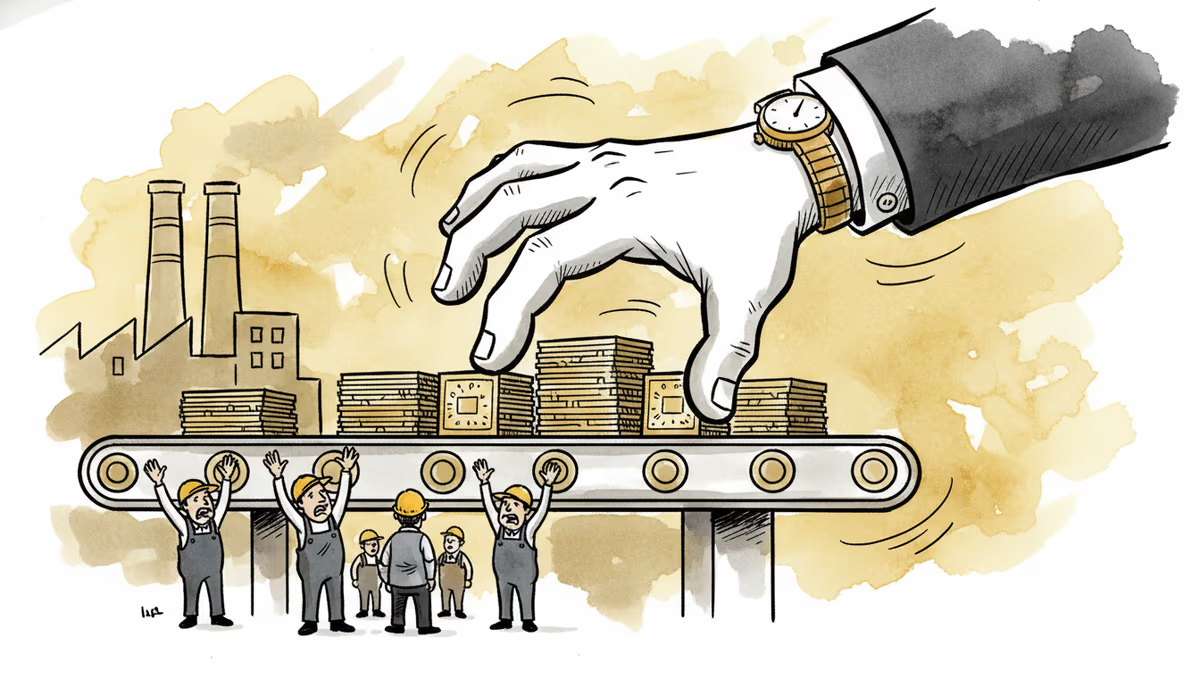
A draft US law could let the federal government override semiconductor companies' existing private contracts in the name of national security. Here's what's at stake for the industry.
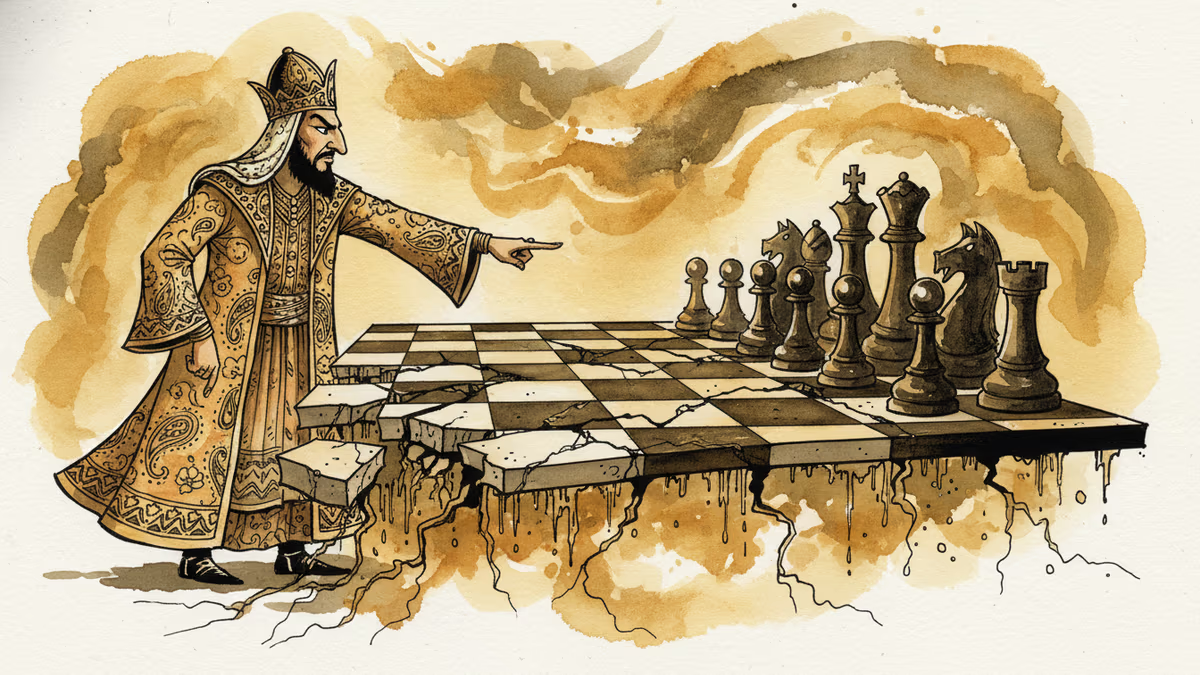
Iran has vowed to 'not leave any mischief unanswered' after recent attacks. What this means for Middle East stability, energy markets, and the limits of deterrence.
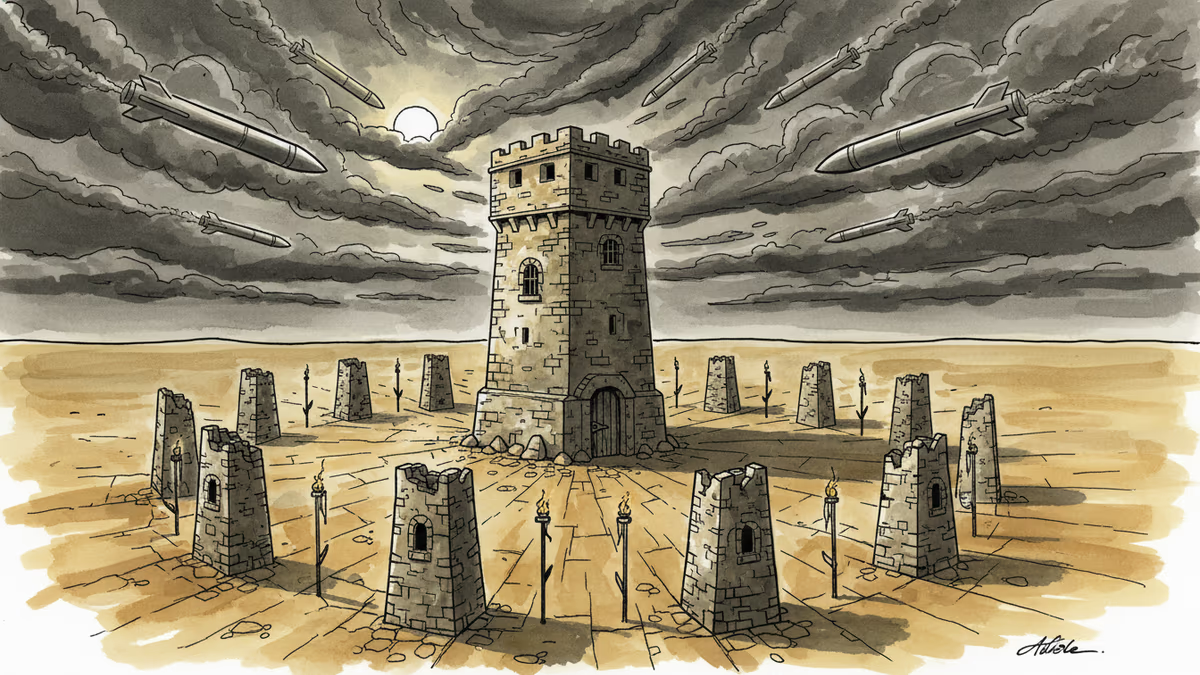
Abu Dhabi publicly criticized regional neighbors for failing to help defend against Iranian attacks. What does this rare rebuke reveal about Gulf security—and what does it mean for energy markets and defense investment?
Ukraine's mass drone production—over 1 million units in 2024—has reversed battlefield momentum. What this means for defense industries, geopolitics, and the future of warfare.
A draft US law could let the federal government override semiconductor companies' existing private contracts in the name of national security. Here's what's at stake for the industry.
Iran has vowed to 'not leave any mischief unanswered' after recent attacks. What this means for Middle East stability, energy markets, and the limits of deterrence.
Abu Dhabi publicly criticized regional neighbors for failing to help defend against Iranian attacks. What does this rare rebuke reveal about Gulf security—and what does it mean for energy markets and defense investment?
Thoughts
Share your thoughts on this article
Sign in to join the conversation