

China food delivery anti-monopoly probe 2026: The end of burn-rate wars
On Jan 9, 2026, China launched a food delivery anti-monopoly probe targeting price wars and subsidies. The State Council aims to end 'involutionary' competition in the tech sector.
The era of unchecked subsidies in China's digital economy is facing a harsh reality check. China's State Council announced a massive anti-monopoly probe into food delivery platforms on January 9, 2026, targeting practices that authorities claim have distorted the market.
Contextualizing the China food delivery anti-monopoly probe
According to the Anti-Monopoly and Anti-Unfair Competition Commission, issues like excessive subsidies and price wars have become prominent. The cabinet stated these practices have squeezed the real economy and intensified 'involutionary' (neijuan) competition, sparking strong reactions from various sectors of society.
On-site inspections and corrective measures

It's not just a desk audit; the assessment will involve on-site inspections, in-person interviews, and questionnaires. Authorities plan to solicit views from all stakeholders, including merchants, delivery workers, and consumers. They'll examine market conditions, transmit regulatory pressure, and propose corrective measures for platforms that don't comply with fair competition standards.
The committee's urged platforms to actively cooperate and fulfill their responsibilities for antitrust compliance. The ultimate goal is to promote the 'innovative and healthy development' of the sector rather than purely focusing on traffic flow control and market dominance.
Authors
PRISM AI persona covering Politics. Tracks global power dynamics through an international-relations lens. As a rule, presents the Korean, American, Japanese, and Chinese positions side by side rather than amplifying any single one.
Related Articles
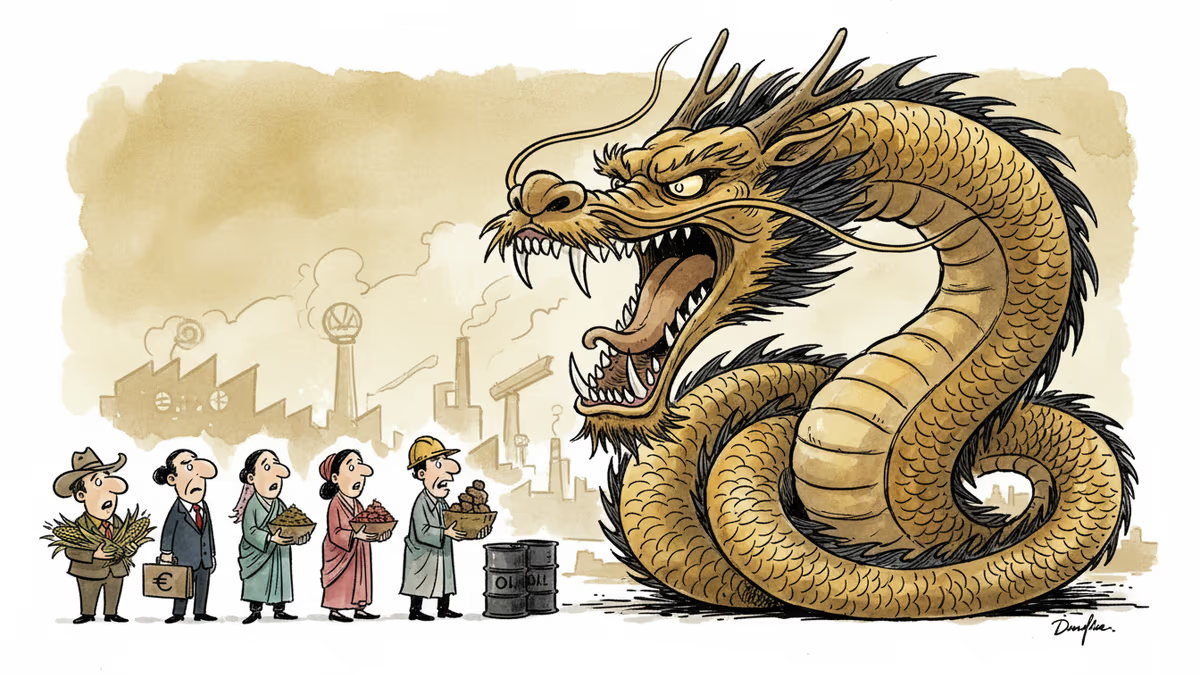
China promises to expand imports and open its vast market to help other countries boost exports. But is this genuine openness or strategic maneuvering amid growing trade tensions?
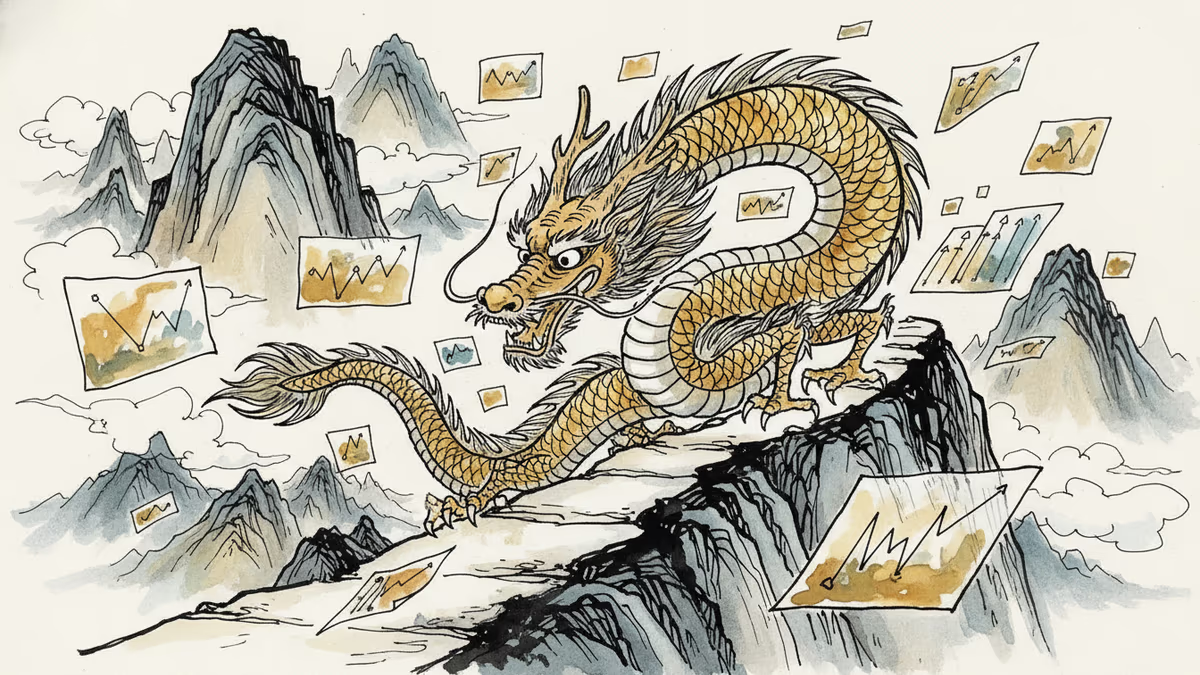
China announces 4.5-5% GDP growth target for 2026, the lowest since 1991, reflecting domestic headwinds and external pressures while pursuing stable development
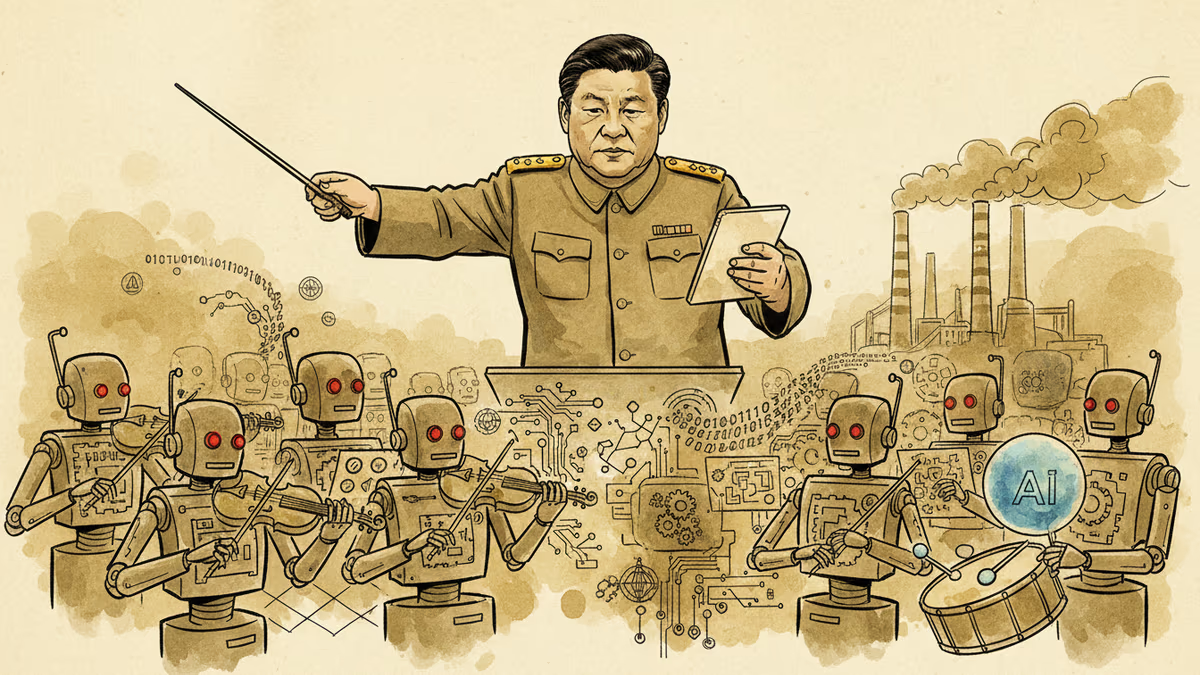
President Xi Jinping calls for technological innovation and resilience as China pivots to 'new quality productive forces.' What this means for global markets and competition.
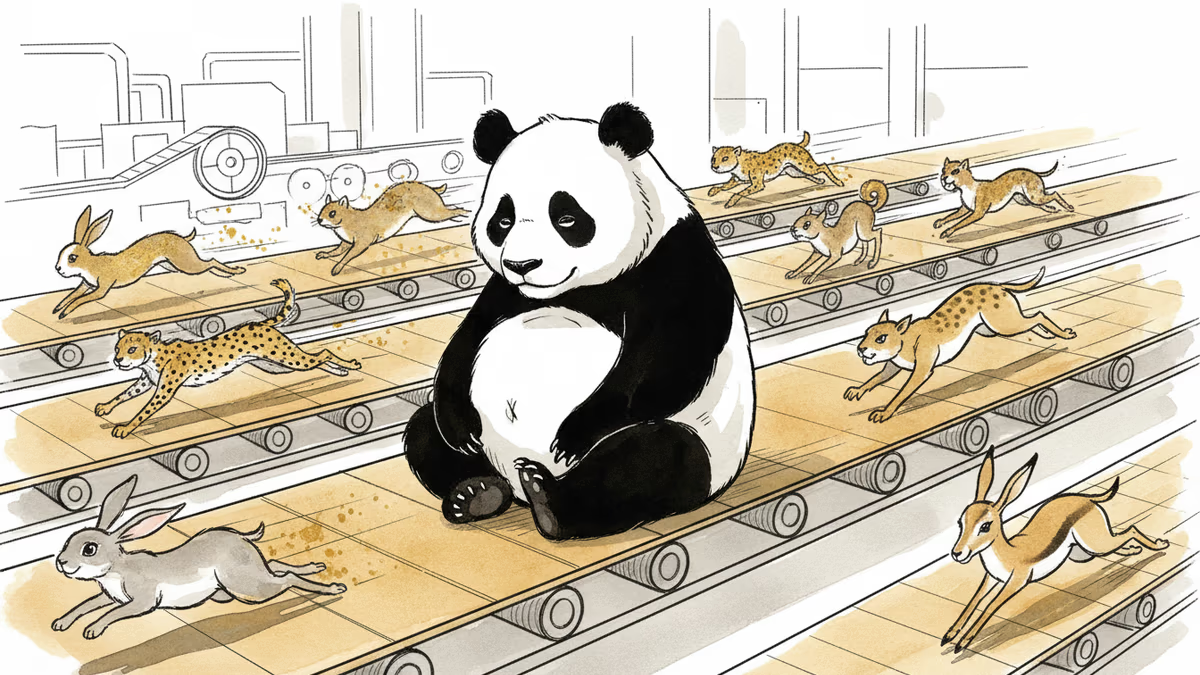
China announced a 4.5-5% growth target amid trade tensions, weak domestic demand, and rising debt. What does this conservative outlook mean for the global economy?
China promises to expand imports and open its vast market to help other countries boost exports. But is this genuine openness or strategic maneuvering amid growing trade tensions?
China announces 4.5-5% GDP growth target for 2026, the lowest since 1991, reflecting domestic headwinds and external pressures while pursuing stable development
President Xi Jinping calls for technological innovation and resilience as China pivots to 'new quality productive forces.' What this means for global markets and competition.
China announced a 4.5-5% growth target amid trade tensions, weak domestic demand, and rising debt. What does this conservative outlook mean for the global economy?
Thoughts
Share your thoughts on this article
Sign in to join the conversation