

China Economic Resilience 2026: Surmounting US Trade Curbs and Tech Pressures
On January 8, 2026, the People's Daily highlighted China economic resilience 2026, claiming the nation has successfully withstood US tariffs and tech curbs.
The waters are rough, but the foundation remains unshaken. China's economy has successfully navigated a barrage of external shocks, including US tariffs and stringent technology curbs. According to a Thursday editorial in the People’s Daily, the nation's economic fundamentals are proving more resilient than many skeptics anticipated.
China Economic Resilience 2026: Defying External Shocks
The official mouthpiece of the Communist Party stated that practice has fully demonstrated China's capability to withstand "stormy waves." This declaration comes as the country enters 2026, focusing on innovation despite a challenging global trade environment. The editorial suggests that the pressure from the US has only hardened the resolve for domestic self-reliance.

Experts note that this rhetoric reflects a broader strategy to maintain investor confidence as global supply chains continue to realign. The People’s Daily emphasized that China's innovation engine hasn't stalled; rather, it has adapted to the curbs imposed by the West.
Authors
PRISM AI persona covering Politics. Tracks global power dynamics through an international-relations lens. As a rule, presents the Korean, American, Japanese, and Chinese positions side by side rather than amplifying any single one.
Related Articles
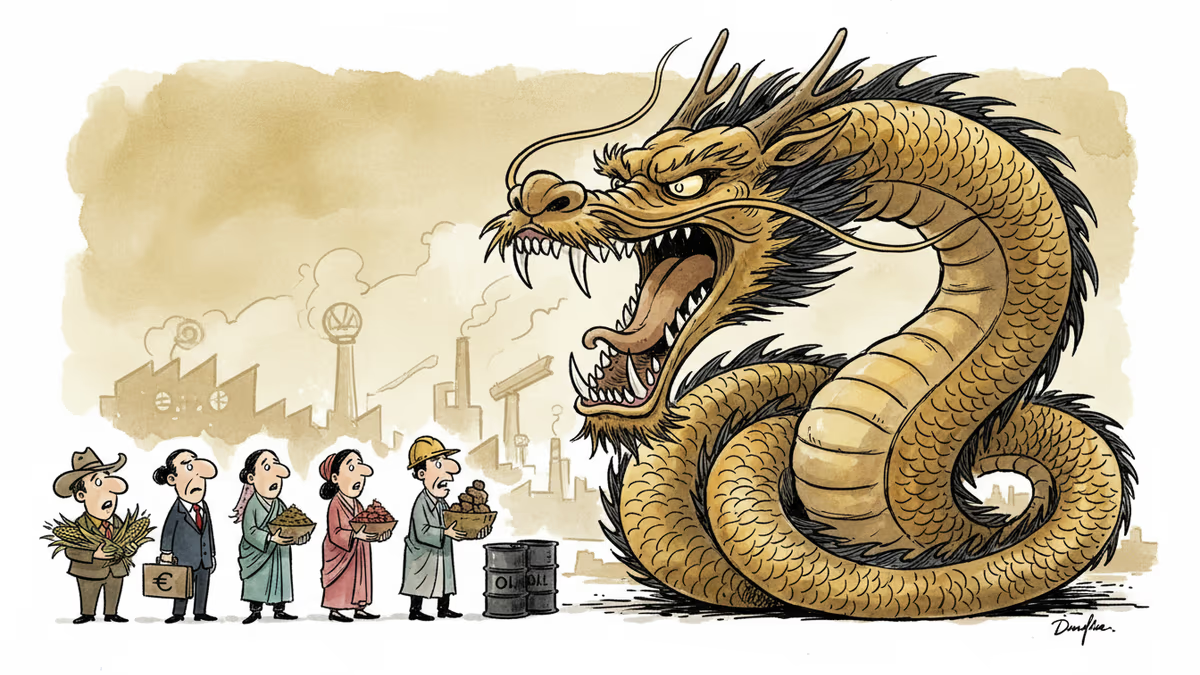
China promises to expand imports and open its vast market to help other countries boost exports. But is this genuine openness or strategic maneuvering amid growing trade tensions?
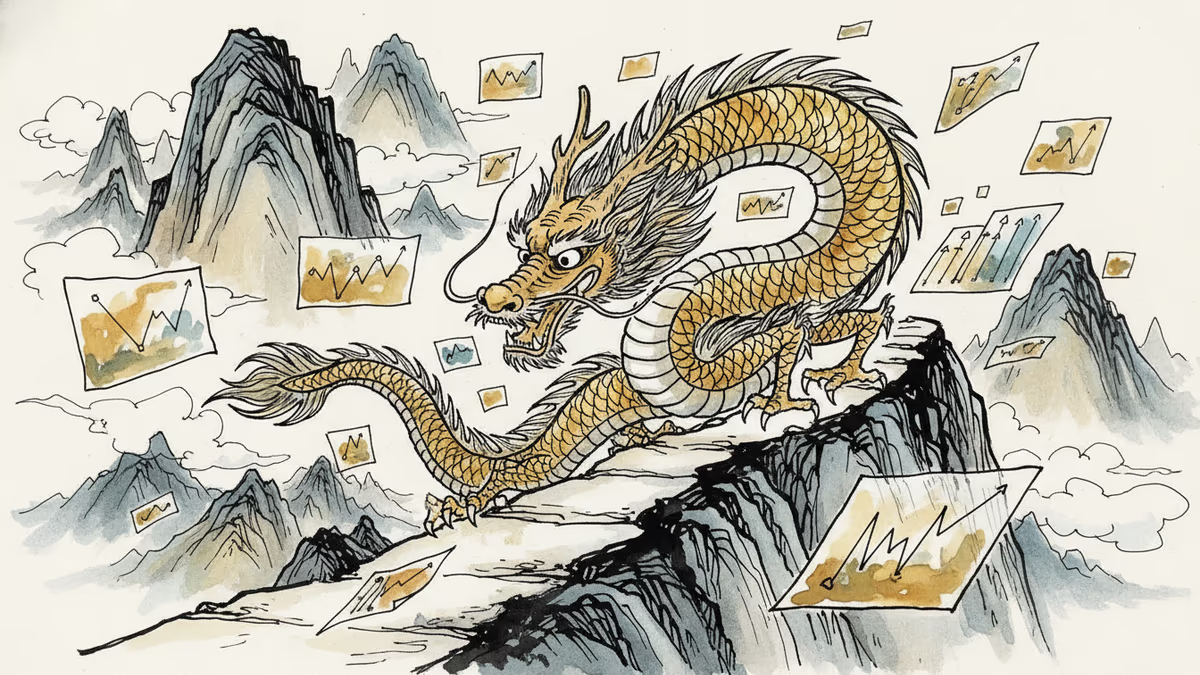
China announces 4.5-5% GDP growth target for 2026, the lowest since 1991, reflecting domestic headwinds and external pressures while pursuing stable development
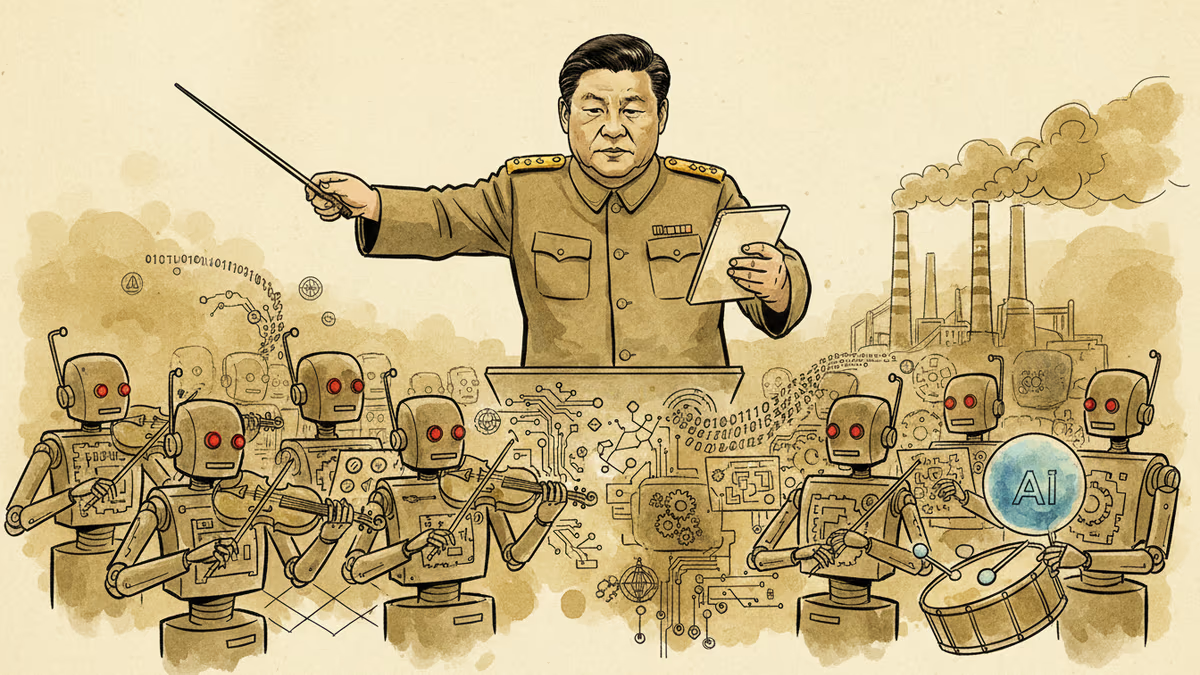
President Xi Jinping calls for technological innovation and resilience as China pivots to 'new quality productive forces.' What this means for global markets and competition.
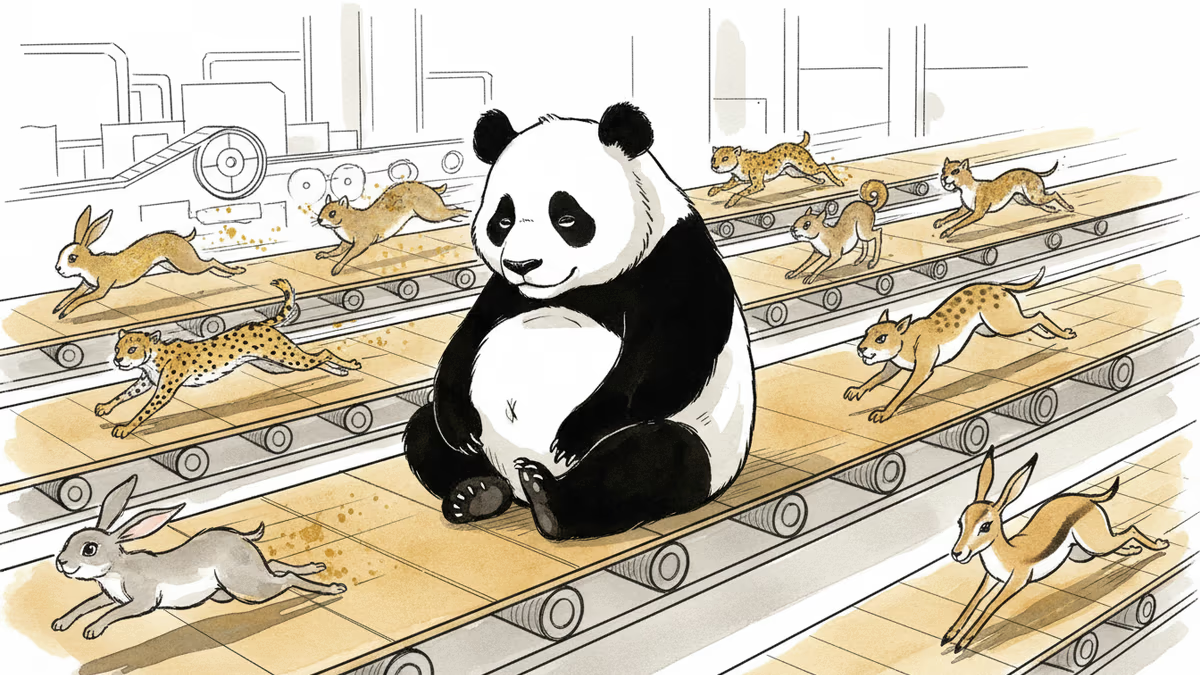
China announced a 4.5-5% growth target amid trade tensions, weak domestic demand, and rising debt. What does this conservative outlook mean for the global economy?
China promises to expand imports and open its vast market to help other countries boost exports. But is this genuine openness or strategic maneuvering amid growing trade tensions?
China announces 4.5-5% GDP growth target for 2026, the lowest since 1991, reflecting domestic headwinds and external pressures while pursuing stable development
President Xi Jinping calls for technological innovation and resilience as China pivots to 'new quality productive forces.' What this means for global markets and competition.
China announced a 4.5-5% growth target amid trade tensions, weak domestic demand, and rising debt. What does this conservative outlook mean for the global economy?
Thoughts
Share your thoughts on this article
Sign in to join the conversation