

Living Crusts in the Sand: China Desert Reclamation Using Cyanobacteria 2025
Discover how China is using cyanobacteria to stabilize desert sands in 2025. This biological approach creates a living crust, paving the way for sustainable reclamation.
Scientists are turning shifting sands into stable ecosystems by dropping massive amounts of algae from the sky. Researchers in Northwest China have successfully utilized specially selected strains of cyanobacteria to reclaim degraded desert terrain.
China Desert Reclamation Using Cyanobacteria: A Biological Shield
According to a report by China Science Daily on December 25, 2025, these specific blue-green algae strains can withstand extreme heat and prolonged drought. When moisture finally reaches the parched earth, the algae spring to life, spreading rapidly to form a tough, biomass-rich crust over the sand.

This living layer acts as a stabilizer, preventing the sand from shifting with the wind. It's a critical first step in desert reclamation, as traditional planting methods often fail when saplings are uprooted or buried by moving dunes.
The Mechanism of Sand Stabilization
The process involves aerial seeding of cyanobacteria over vast areas. Unlike mechanical barriers, this biological crust improves soil quality over time by fixing nitrogen and retaining moisture. Experts note that this method is particularly effective in the harsh conditions of Northwest China, where water resources are scarce.
Authors
Related Articles
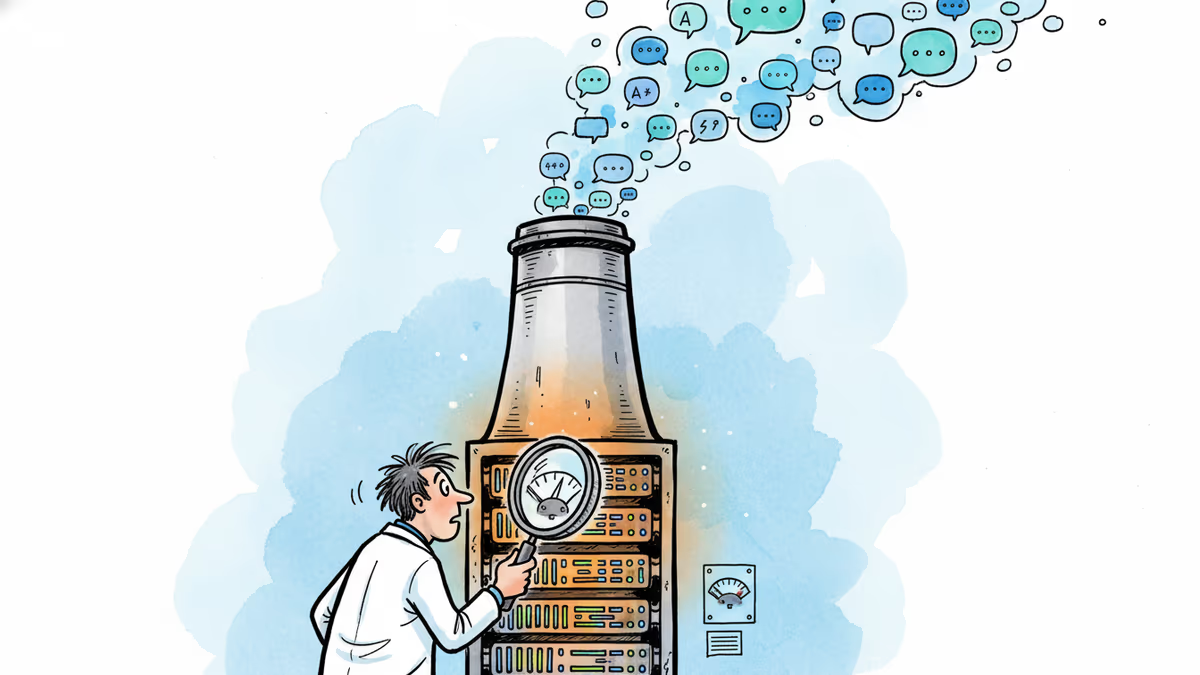
AI sustainability researcher Sasha Luccioni is launching a new venture to push for energy transparency in AI. Here's why Big Tech keeps the numbers hidden—and what's starting to change.
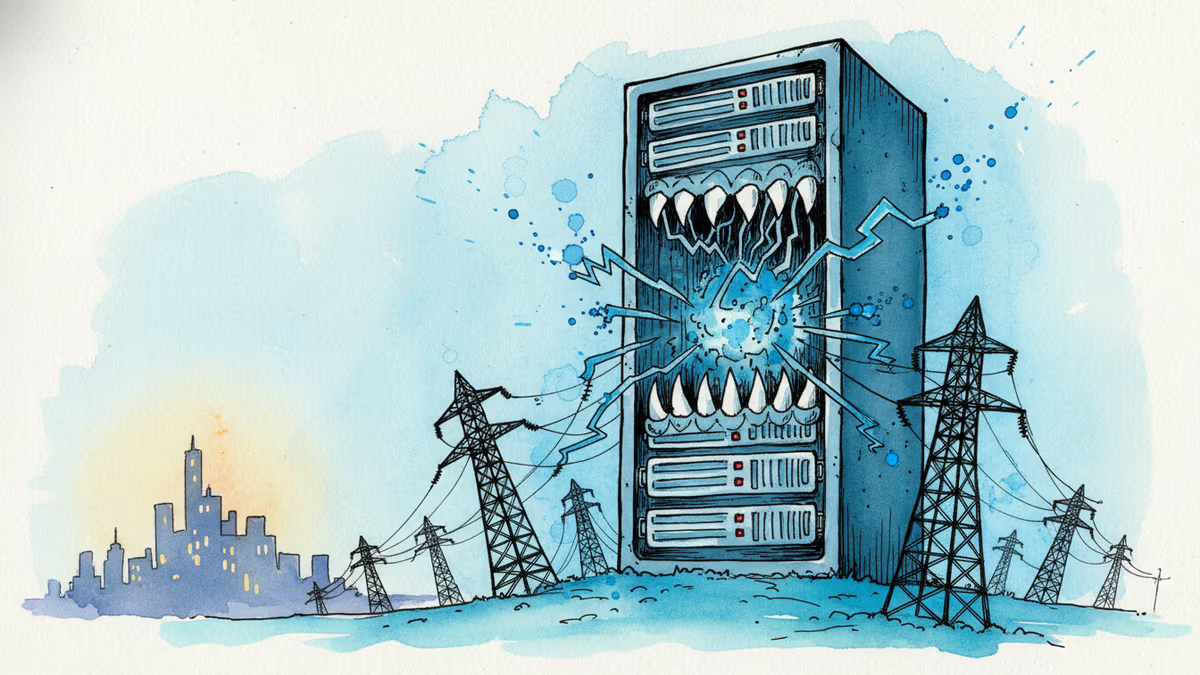
US data centers could consume 12% of national electricity by 2028. A new MIT Tech Review survey of 300 executives reveals energy costs are now the top threat to AI innovation.
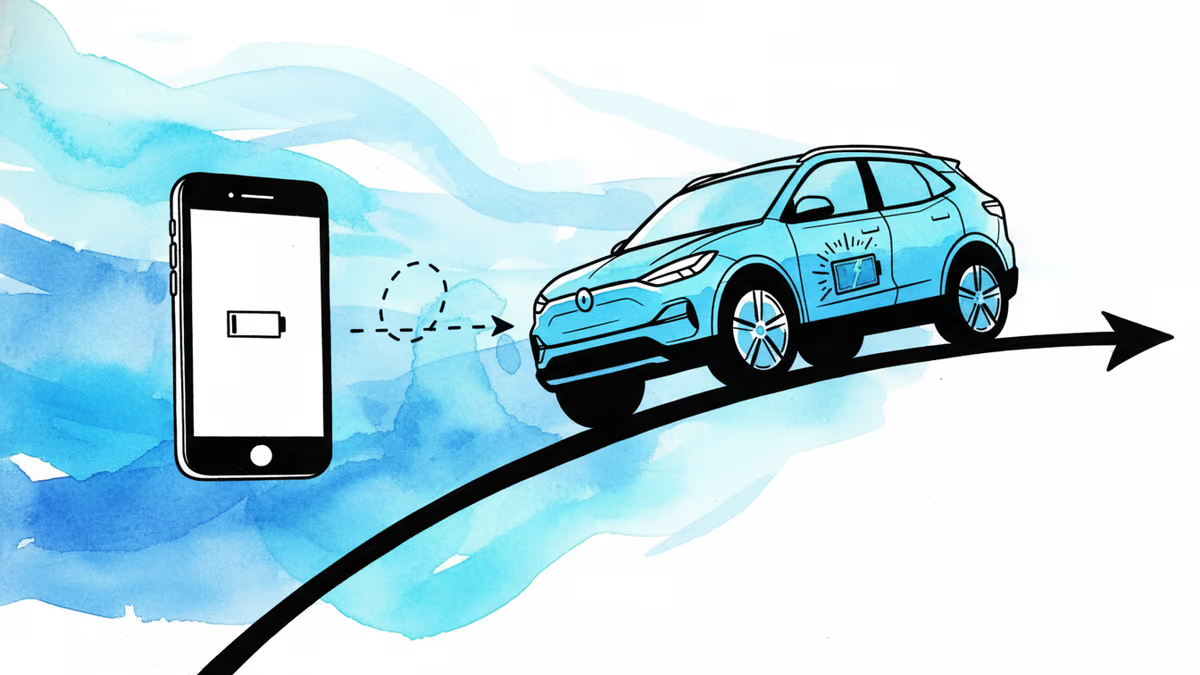
University of Michigan study reveals modern EV batteries lose only 2% capacity annually, lasting over a decade. How liquid cooling and thermal management changed everything.

Amazon AWS partners with Nuton Technologies to source copper extracted via microorganisms. This bioleaching method reduces carbon emissions and water use for data center construction.
AI sustainability researcher Sasha Luccioni is launching a new venture to push for energy transparency in AI. Here's why Big Tech keeps the numbers hidden—and what's starting to change.
US data centers could consume 12% of national electricity by 2028. A new MIT Tech Review survey of 300 executives reveals energy costs are now the top threat to AI innovation.
University of Michigan study reveals modern EV batteries lose only 2% capacity annually, lasting over a decade. How liquid cooling and thermal management changed everything.
Amazon AWS partners with Nuton Technologies to source copper extracted via microorganisms. This bioleaching method reduces carbon emissions and water use for data center construction.
Thoughts
Share your thoughts on this article
Sign in to join the conversation