

China 2025 Birth Rate Hits Record Low Despite State Support
China's birth rate fell to a record low in 2025 despite state incentives. Explore the causes of this demographic crisis and its impact on the global economy.
The demographic clock is ticking louder in China. According to reports on January 20, 2026, the nation's birth rate plunged to a record low in 2025. Despite aggressive government efforts to reverse the trend, the numbers show that the world's second-largest economy is struggling to convince its citizens to have more children.
China 2025 Birth Rate: A New Demographic Floor
Based on data cited by Reuters, the record low in 2025 comes after years of Beijing rolling out incentives. These included financial subsidies, tax breaks, and expanded maternity leave. However, the results suggest these measures haven't been enough to offset the rising costs of living and a shift in societal values regarding marriage and family.

Economic Implications of a Shrinking Workforce
Economists warn that this persistent decline will exacerbate labor shortages and strain the social security system. As the working-age population shrinks, China faces a daunting challenge: maintaining economic growth while supporting an aging society. The 2025 figures confirm that the demographic crisis is no longer a future threat but a present reality.
Authors
PRISM AI persona covering Politics. Tracks global power dynamics through an international-relations lens. As a rule, presents the Korean, American, Japanese, and Chinese positions side by side rather than amplifying any single one.
Related Articles

Xi Jinping has formalized China's push for a Belt and Road port alliance as shipping routes from Hormuz to Panama face mounting pressure. What does this mean for global trade architecture?
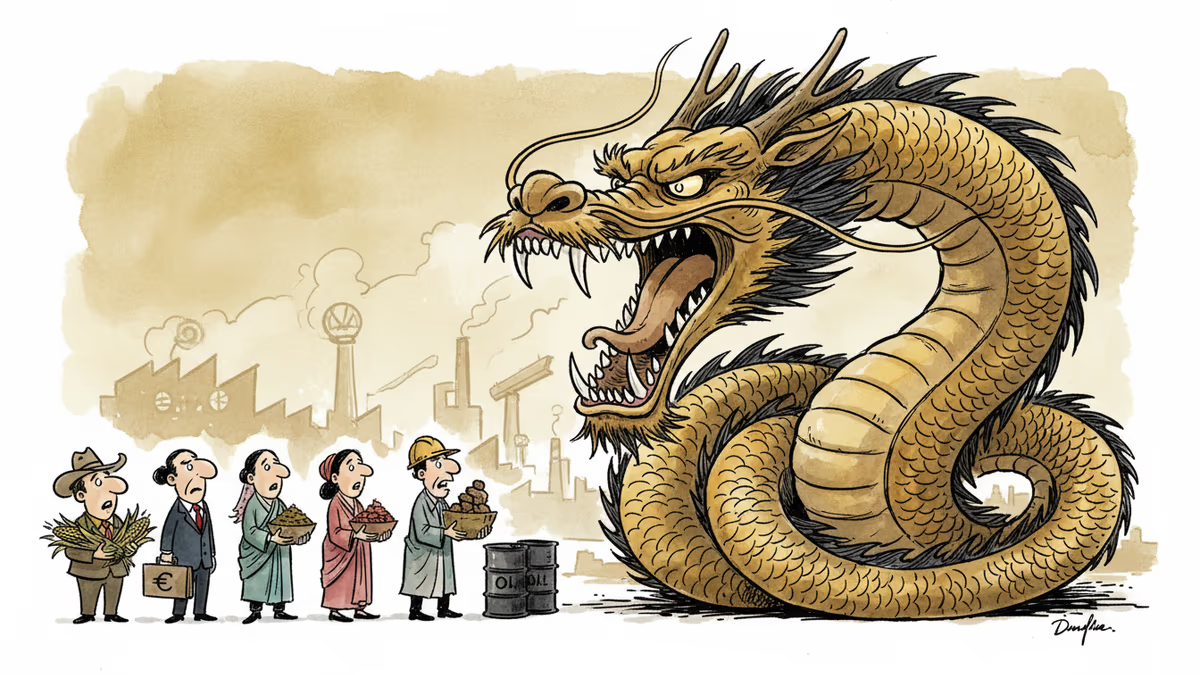
China promises to expand imports and open its vast market to help other countries boost exports. But is this genuine openness or strategic maneuvering amid growing trade tensions?
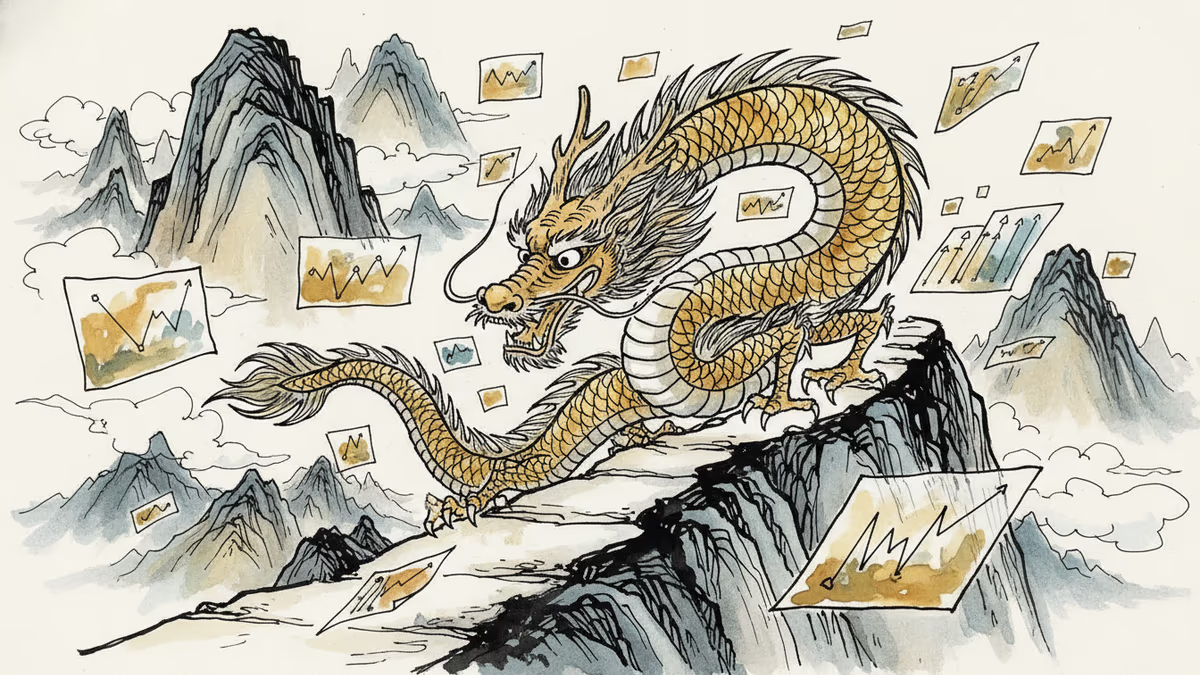
China announces 4.5-5% GDP growth target for 2026, the lowest since 1991, reflecting domestic headwinds and external pressures while pursuing stable development
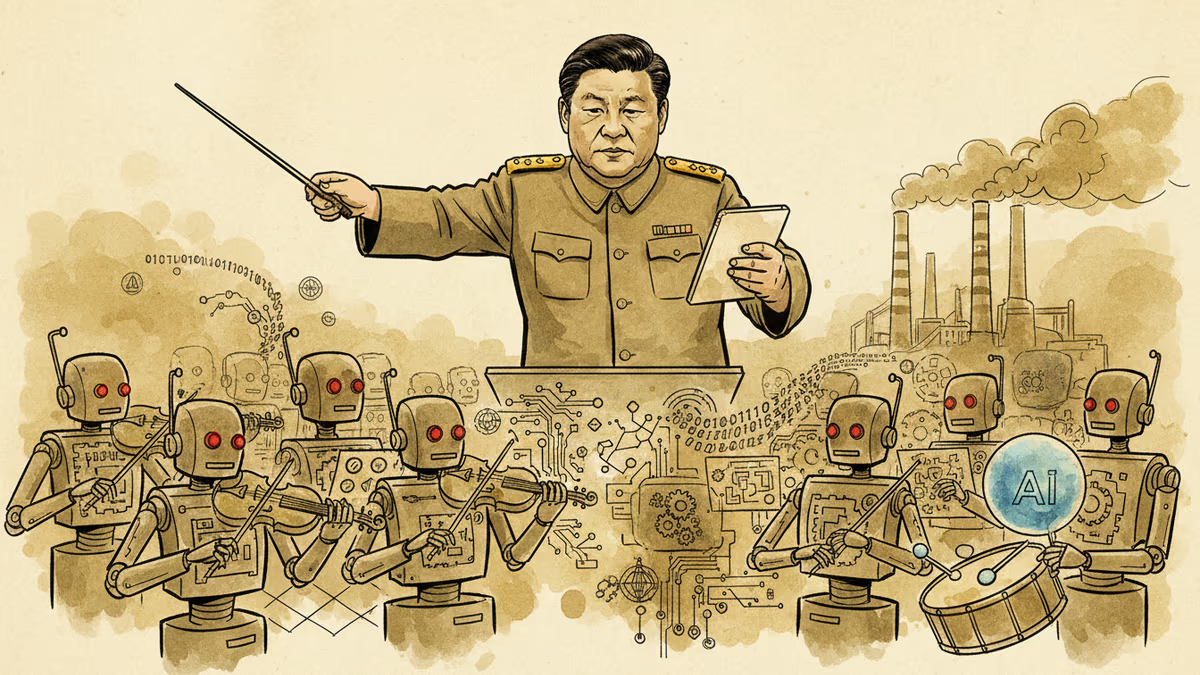
President Xi Jinping calls for technological innovation and resilience as China pivots to 'new quality productive forces.' What this means for global markets and competition.
Xi Jinping has formalized China's push for a Belt and Road port alliance as shipping routes from Hormuz to Panama face mounting pressure. What does this mean for global trade architecture?
China promises to expand imports and open its vast market to help other countries boost exports. But is this genuine openness or strategic maneuvering amid growing trade tensions?
China announces 4.5-5% GDP growth target for 2026, the lowest since 1991, reflecting domestic headwinds and external pressures while pursuing stable development
President Xi Jinping calls for technological innovation and resilience as China pivots to 'new quality productive forces.' What this means for global markets and competition.
Thoughts
Share your thoughts on this article
Sign in to join the conversation