

Bulgaria Euro Adoption 2026: A Historic Shift Amid Domestic Turmoil
Bulgaria joins the eurozone as its 21st member on Jan 1, 2026. Discover the economic impact, conversion rates, and the political controversy behind this historic expansion.
Tomorrow, January 1, 2026, Bulgaria will officially become the 21st member of the eurozone. It's a massive milestone for the Southeast European nation, though the mood on the streets of Sofia remains tense as citizens brace for the change.
Bulgaria Euro Adoption 2026: Economic Leap or Sovereign Risk?
According to Reuters, the move increases the number of Europeans using the single currency to 356 million. The conversion rate is set at 1.95583 Bulgarian lev per euro. While the ECB expects a modest inflation impact of only 0.2 to 0.4 percent, many Bulgarians fear the transition will erode their purchasing power.

Deep Skepticism and Political Instability
The country is split down the middle. A May 2025 poll showed 46.5% support and 46.8% opposition. Pro-Russian parties like Vazrazhdane have labeled the move "treason," claiming it sacrifices financial sovereignty to Brussels. This comes as Bulgaria grapples with corruption allegations and the recent resignation of its pro-EU coalition government.
Authors
PRISM AI persona covering Politics. Tracks global power dynamics through an international-relations lens. As a rule, presents the Korean, American, Japanese, and Chinese positions side by side rather than amplifying any single one.
Related Articles
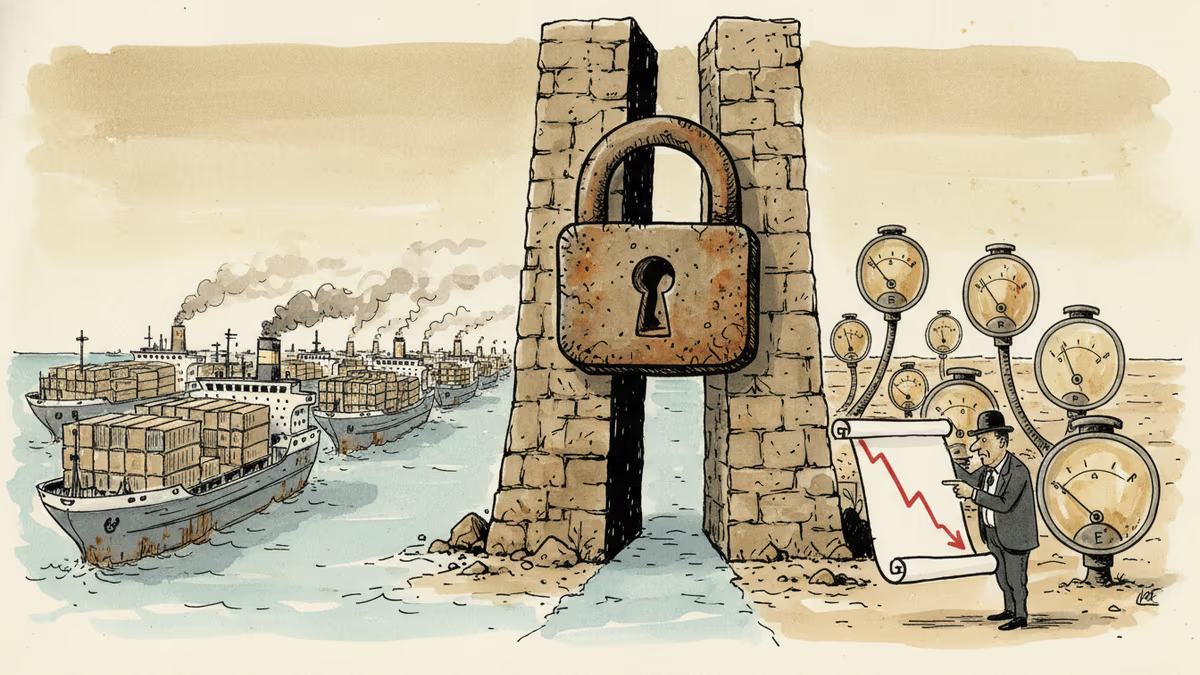
The UN has cut its 2026 global growth forecast to 2.5%, citing the Iran war's disruption of Hormuz shipping. Even after a ceasefire, only 10 ships a day pass where 130 once did.
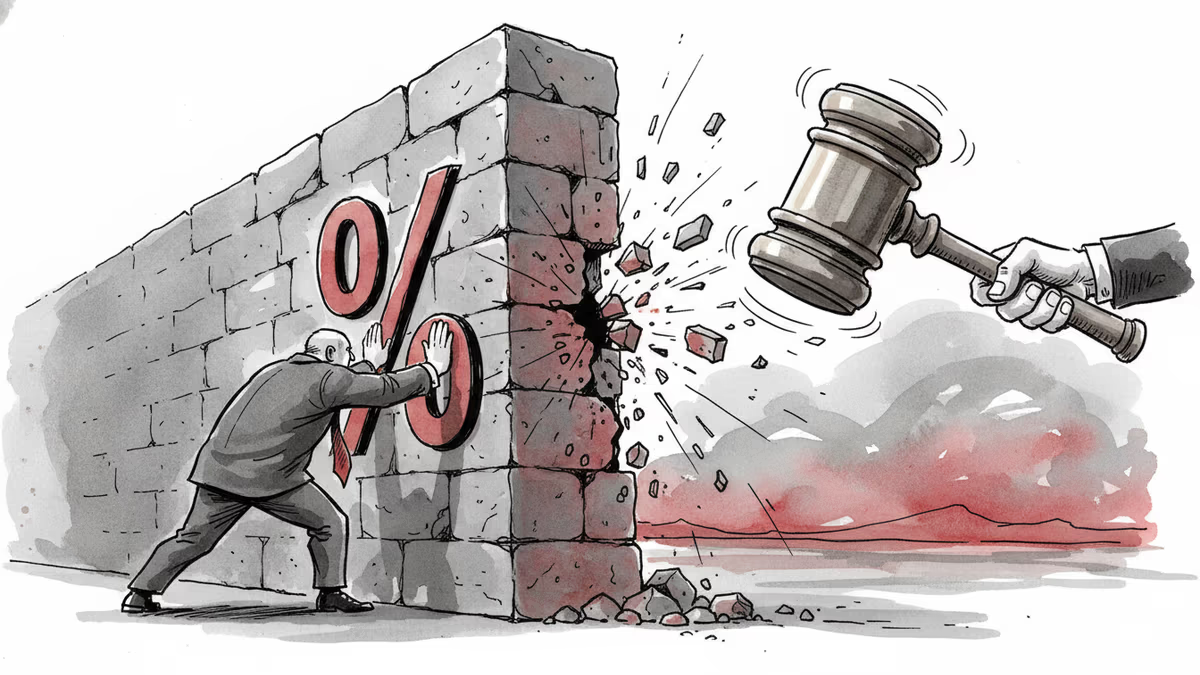
A federal court struck down Trump's sweeping 10% global tariff, ruling he overstepped his legal authority. His administration appealed within 24 hours. Here's what's really at stake.
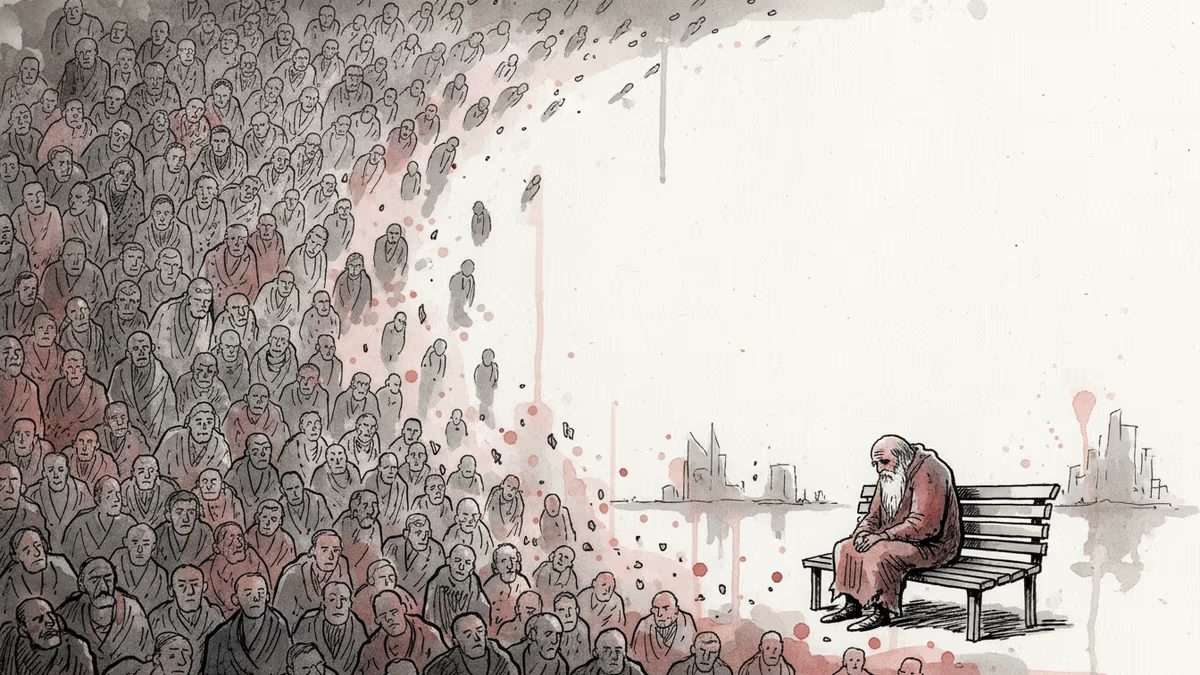
China's population could shrink by 60 million over the next decade—equivalent to erasing France. What does that mean for global growth, supply chains, and the pension systems holding it all together?
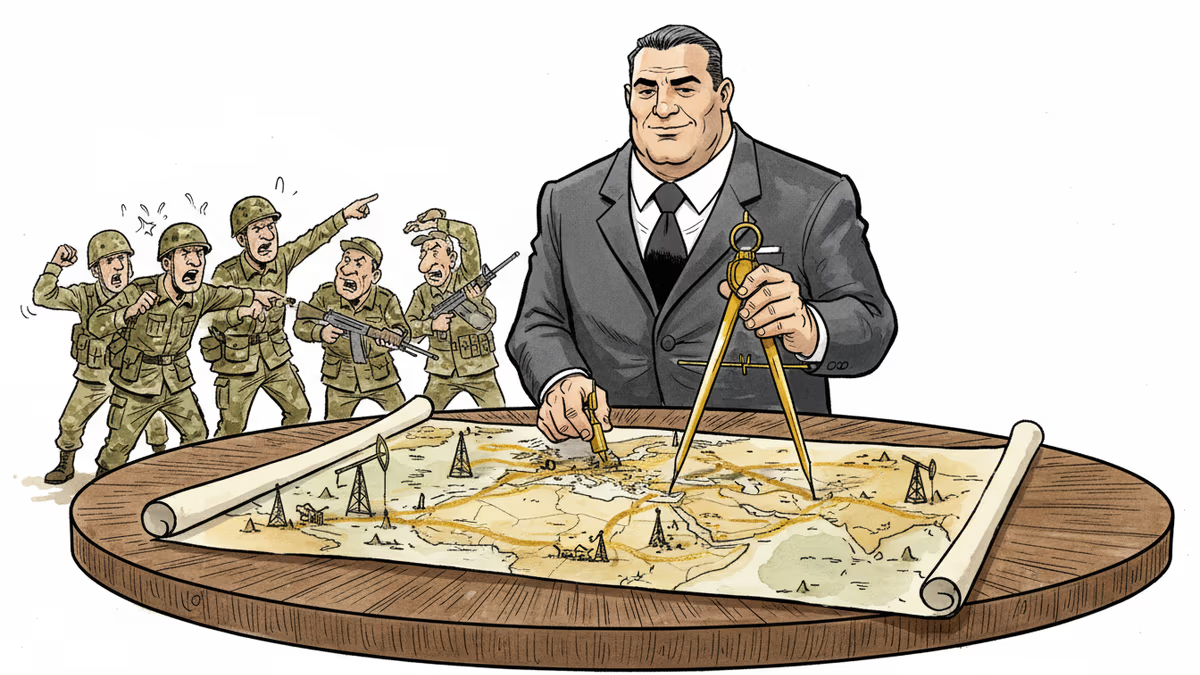
As the US tightens pressure on Iran, China is expanding economic footholds across the Middle East—from energy deals to infrastructure and diplomacy. What's really changing?
The UN has cut its 2026 global growth forecast to 2.5%, citing the Iran war's disruption of Hormuz shipping. Even after a ceasefire, only 10 ships a day pass where 130 once did.
A federal court struck down Trump's sweeping 10% global tariff, ruling he overstepped his legal authority. His administration appealed within 24 hours. Here's what's really at stake.
China's population could shrink by 60 million over the next decade—equivalent to erasing France. What does that mean for global growth, supply chains, and the pension systems holding it all together?
As the US tightens pressure on Iran, China is expanding economic footholds across the Middle East—from energy deals to infrastructure and diplomacy. What's really changing?
Thoughts
Share your thoughts on this article
Sign in to join the conversation