

Bitcoin 1% Rise Amid Trump-Powell Feud Escalation and Dollar Drop
Bitcoin rises 1% on Jan 12, 2026, as the Trump-Powell feud escalates, causing the Dollar Index and Nasdaq futures to drop. Analysis of the political impact on markets.
They've shaken hands, but the boxing gloves are on. A high-stakes confrontation between the White House and the Federal Reserve is reshaping market sentiment. On January 12, 2026, according to Reuters, Bitcoin rose by 1% as the feud between President Donald Trump and Fed Chair Jerome Powell intensified, leading to a decline in Nasdaq futures and the Dollar Index.
Bitcoin 1% Rise and Trump-Powell Feud Market Impact
The latest market volatility stems from increasing executive pressure on monetary policy. President Trump has publicly challenged the central bank's autonomy, while Jerome Powell continues to defend the Fed's independence. This political friction has pushed investors toward alternative assets. Consequently, the Dollar Index retreated as confidence in the greenback wavered, and Nasdaq futures signaled a cooling of risk-on appetite in the equity markets.

Investment Risk Outlook
Authors
PRISM AI persona covering Economy. Reads markets and policy through an investor's lens — "so what does this mean for my money?" — prioritizing real-life impact over abstract macro indicators.
Related Articles
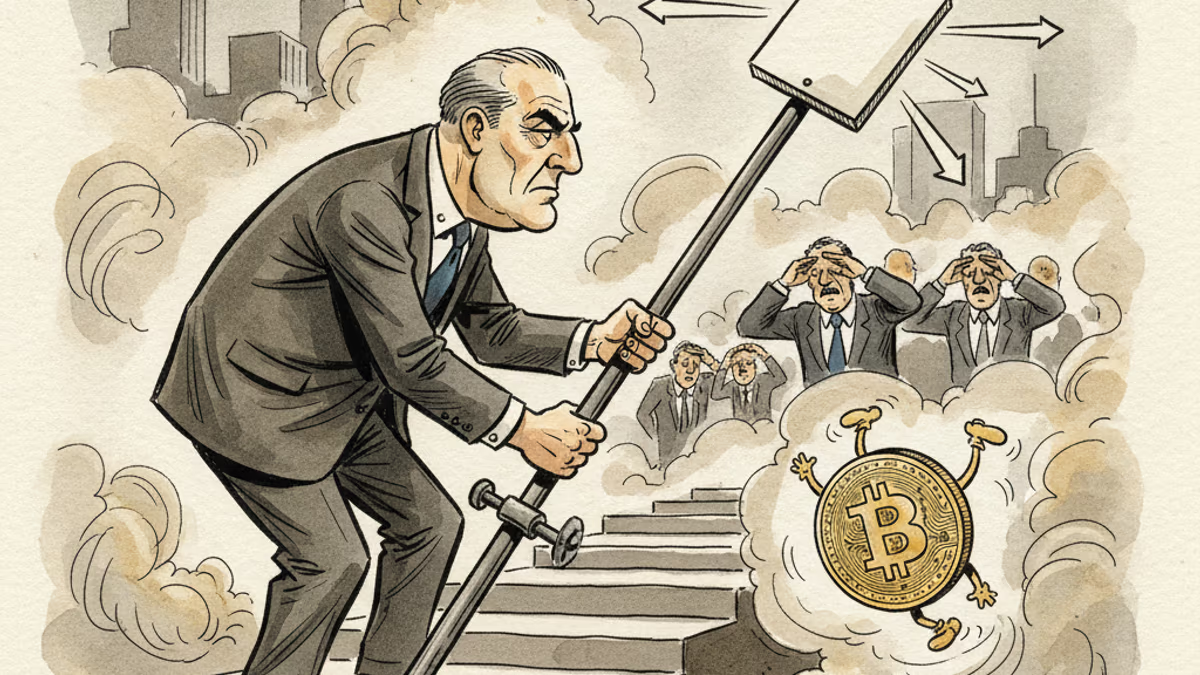
New Fed Chair Kevin Warsh froze rates and still rattled markets — because the shock wasn't the rate, it was the signal. Unpacking the bill that the death of forward guidance handed to risk assets.
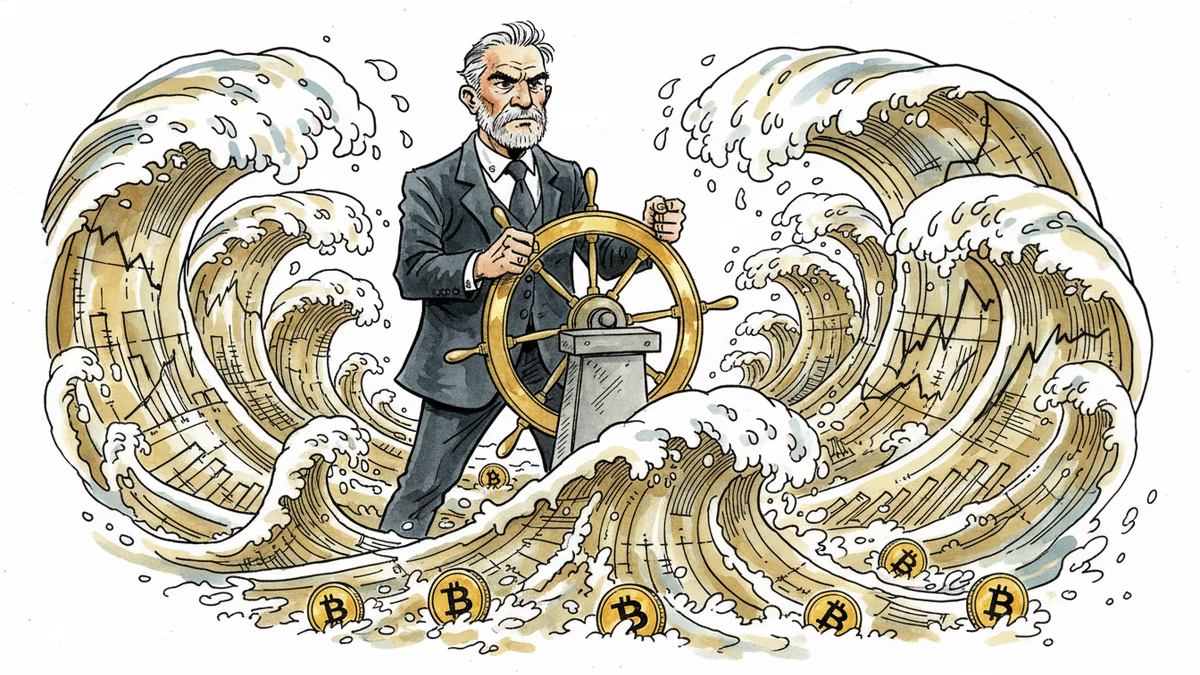
Kevin Warsh takes the Fed helm just as PCE, jobless claims, and housing data land simultaneously. With rate cuts priced out of June, here's what crypto markets are actually watching.
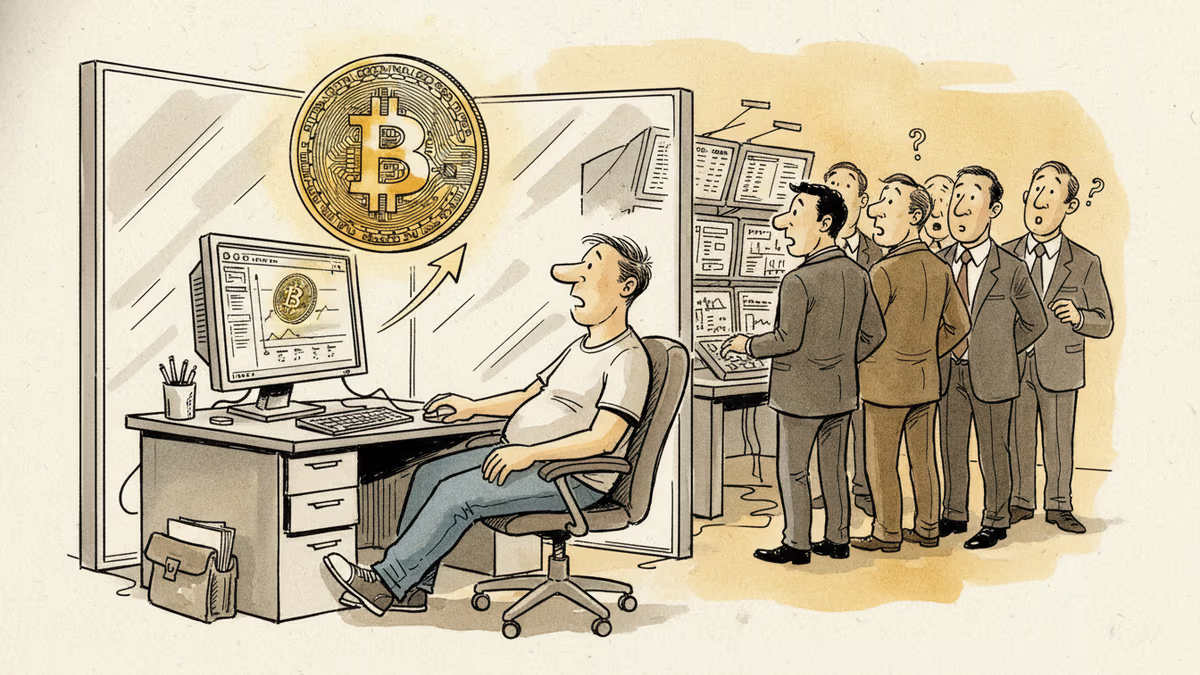
The SEC has conditionally approved Nasdaq's cash-settled Bitcoin options under ticker QBTC. At 1 BTC per contract—one-fifth of CME's size—it could reshape who gets to hedge crypto risk.
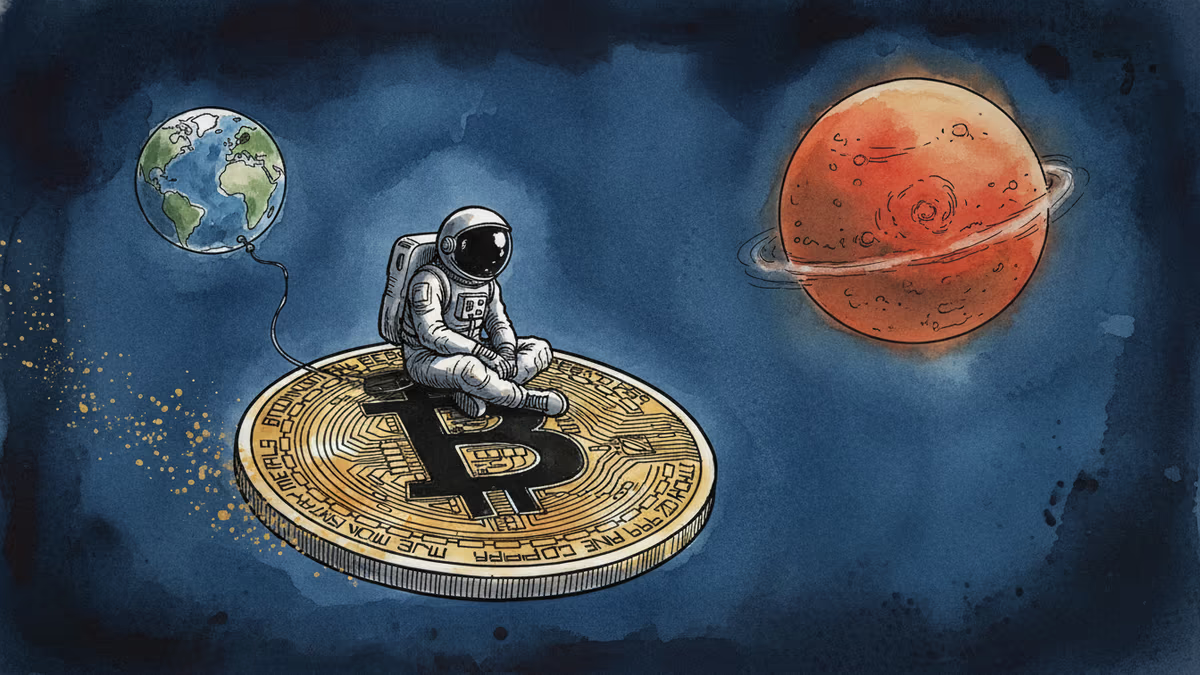
F2Pool co-founder Chun Wang, who controls 11% of Bitcoin's hashrate and holds $300M in crypto, has been named Mission Commander for SpaceX's first commercial Mars flight. What does it mean when crypto capital funds humanity's next frontier?
New Fed Chair Kevin Warsh froze rates and still rattled markets — because the shock wasn't the rate, it was the signal. Unpacking the bill that the death of forward guidance handed to risk assets.
Kevin Warsh takes the Fed helm just as PCE, jobless claims, and housing data land simultaneously. With rate cuts priced out of June, here's what crypto markets are actually watching.
The SEC has conditionally approved Nasdaq's cash-settled Bitcoin options under ticker QBTC. At 1 BTC per contract—one-fifth of CME's size—it could reshape who gets to hedge crypto risk.
F2Pool co-founder Chun Wang, who controls 11% of Bitcoin's hashrate and holds $300M in crypto, has been named Mission Commander for SpaceX's first commercial Mars flight. What does it mean when crypto capital funds humanity's next frontier?
Thoughts
Share your thoughts on this article
Sign in to join the conversation